
Collection
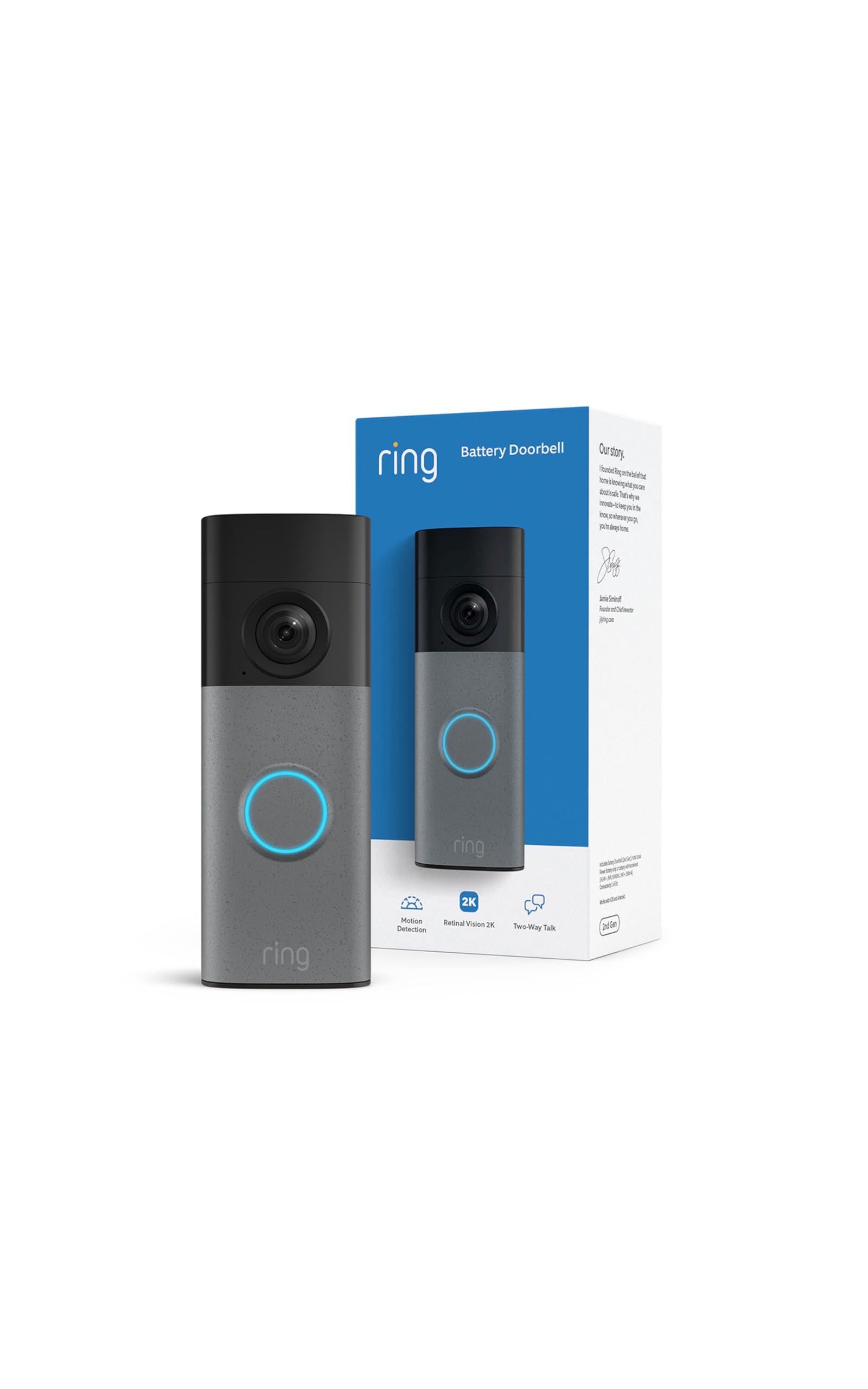
Video doorbells
A video doorbell is two products in one, a camera and an intercom, and the second part is where cheap ones fail. Look for two way audio that is actually intelligible, a chime that is included or supported, and a power plan that does not leave you recharging every month.
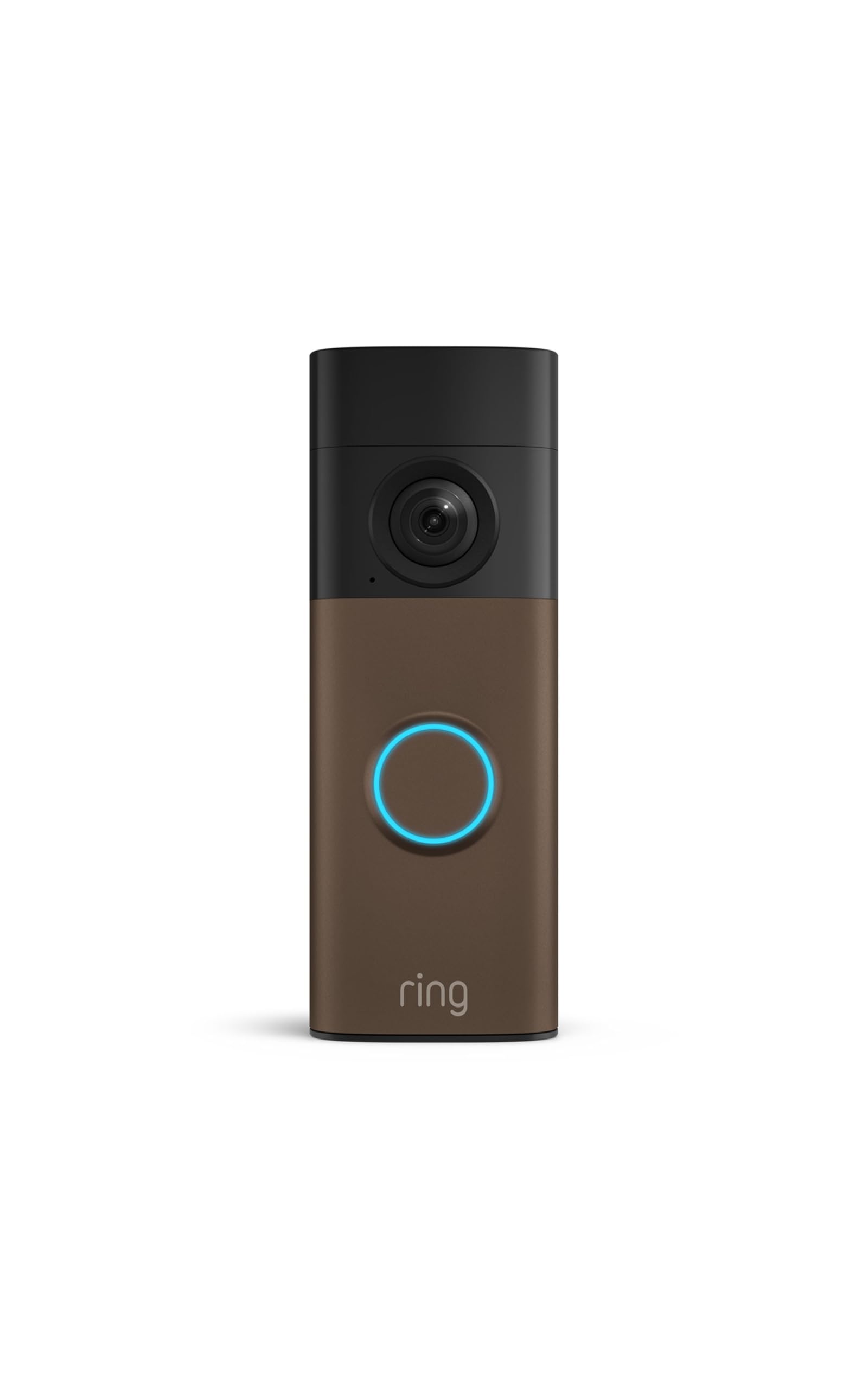

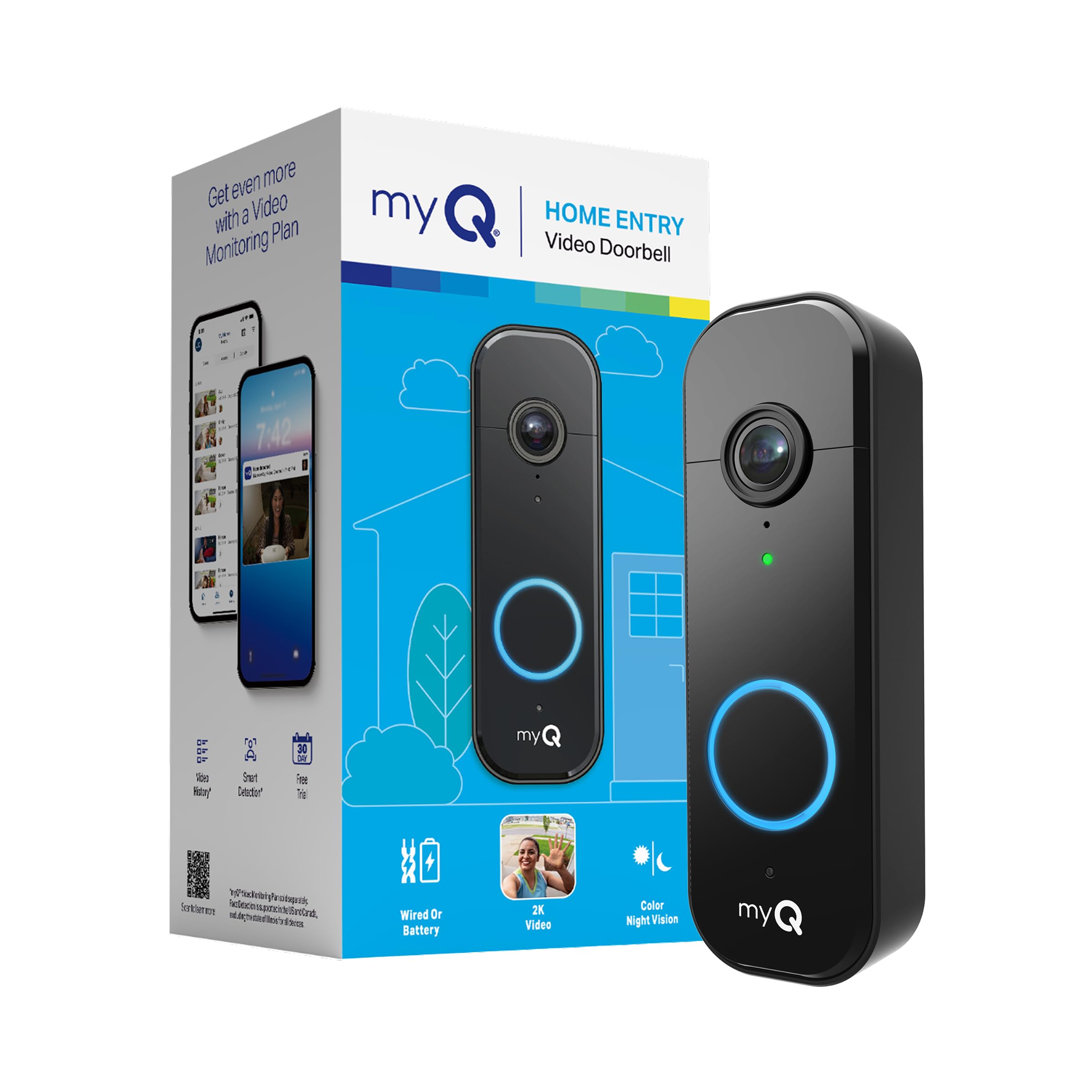

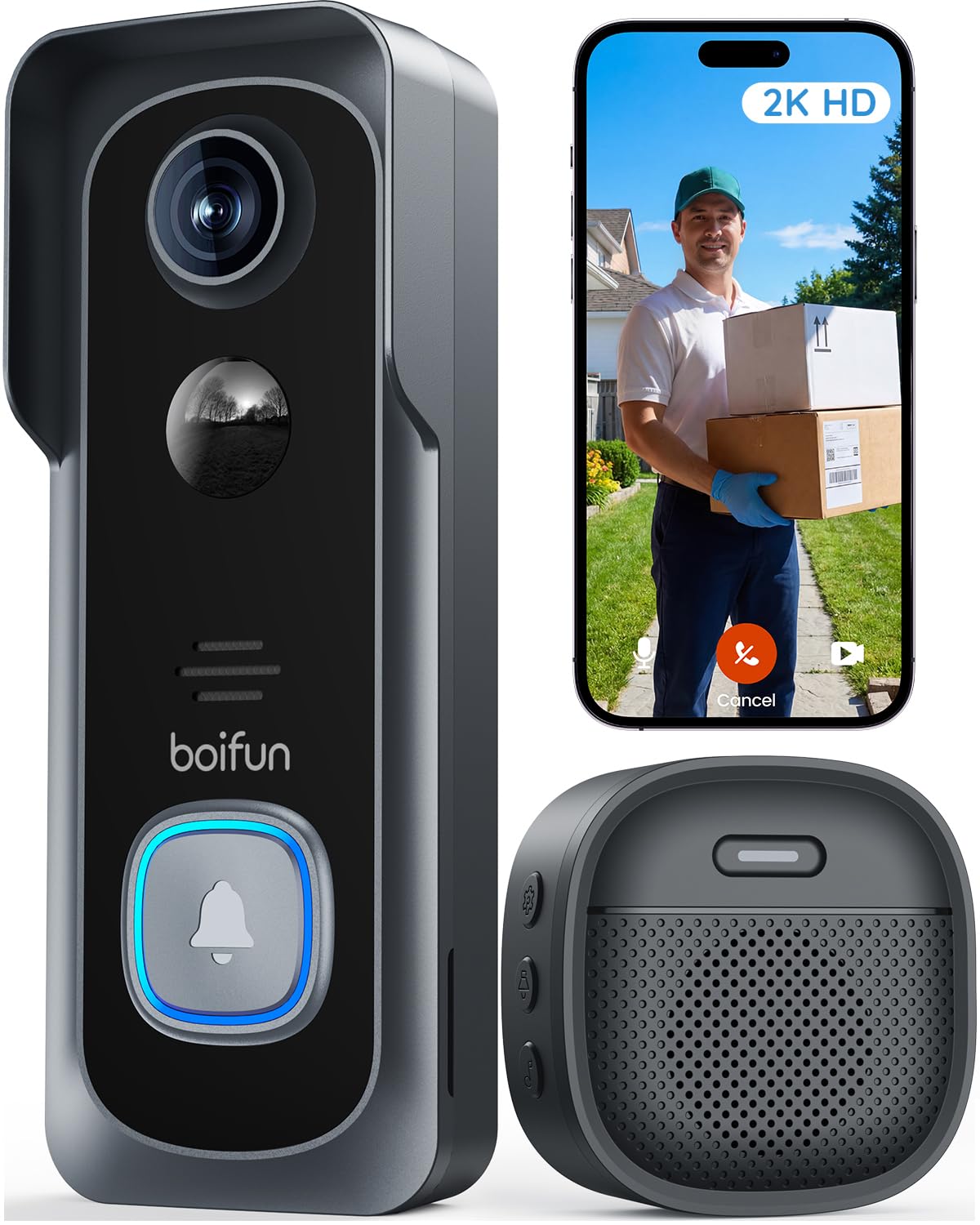
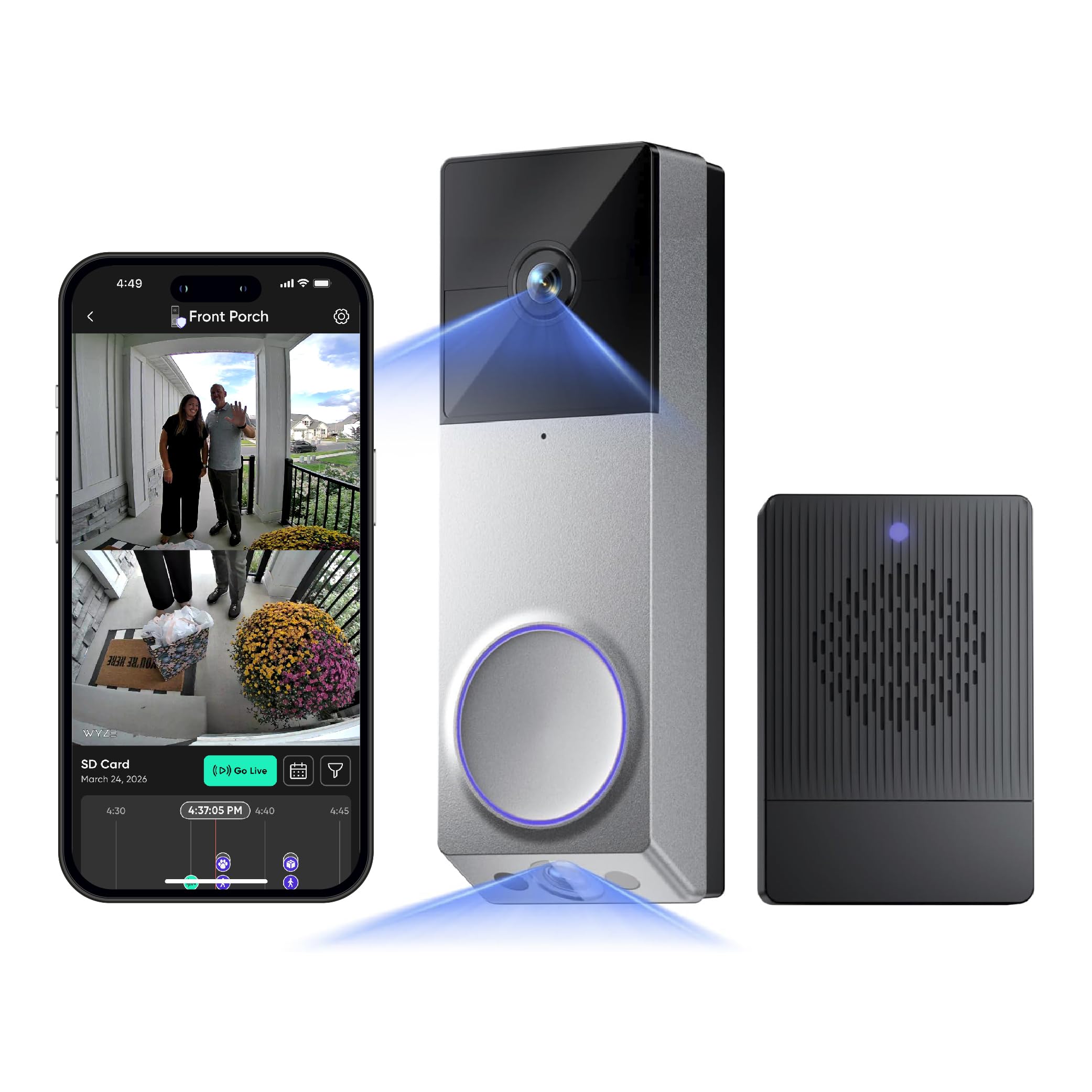
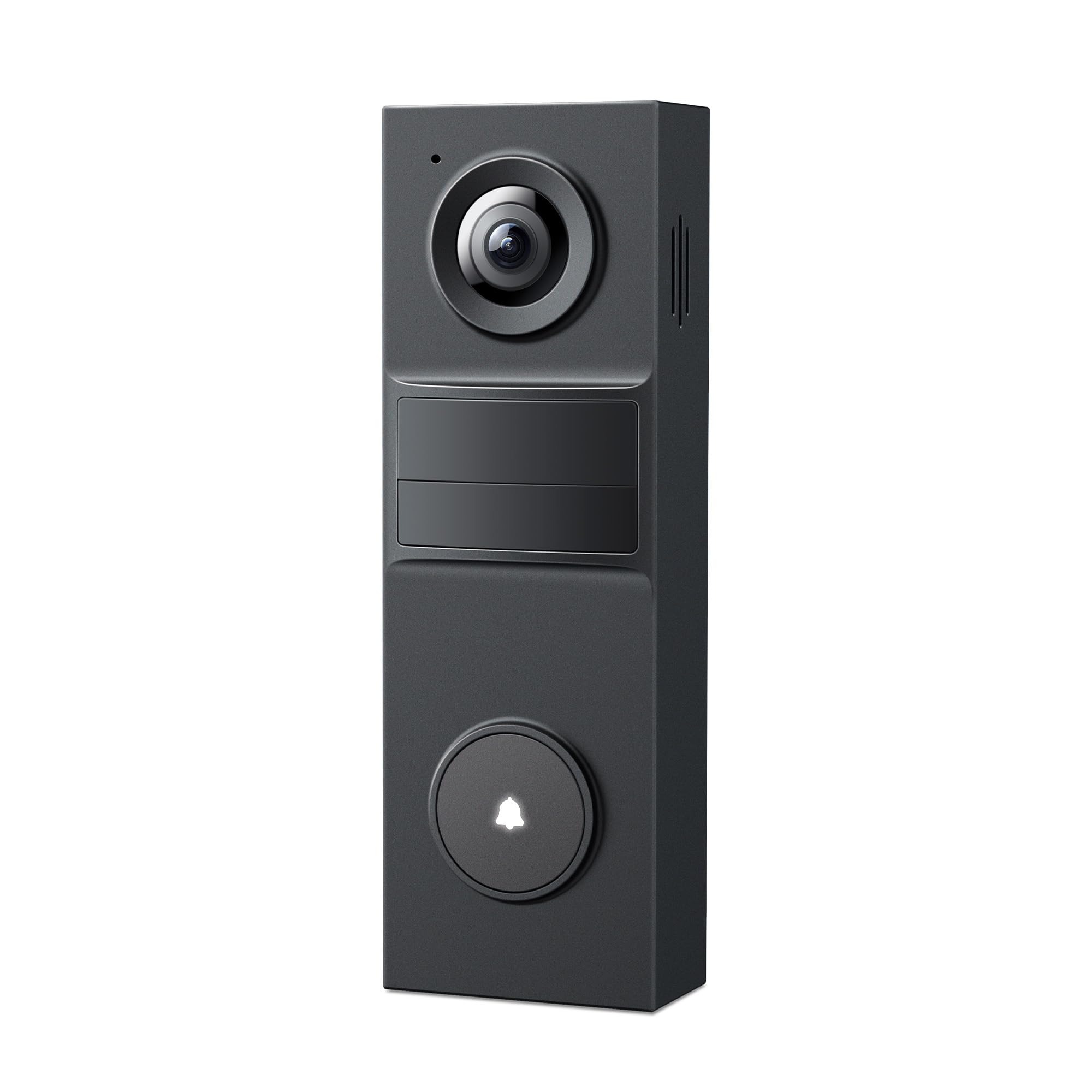
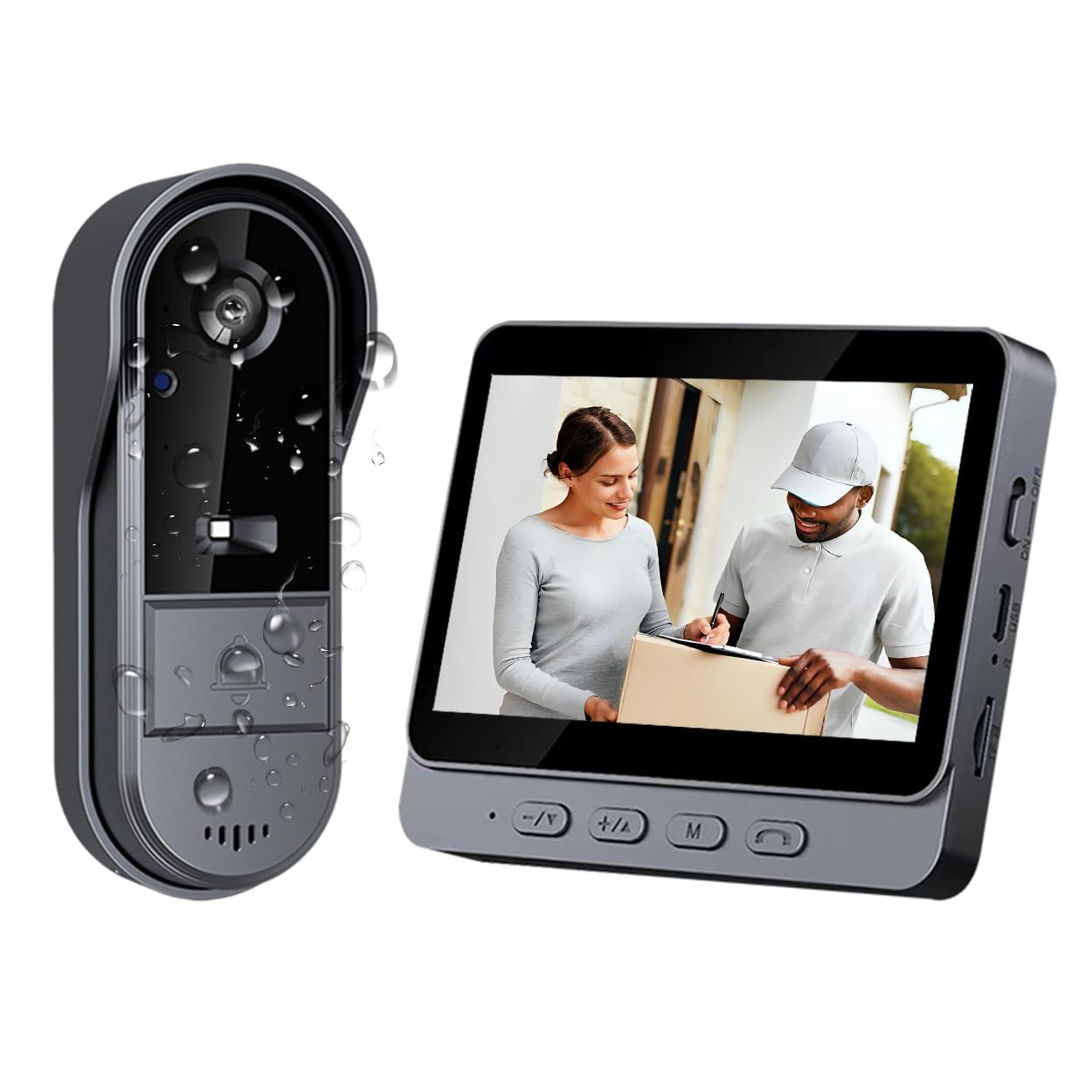
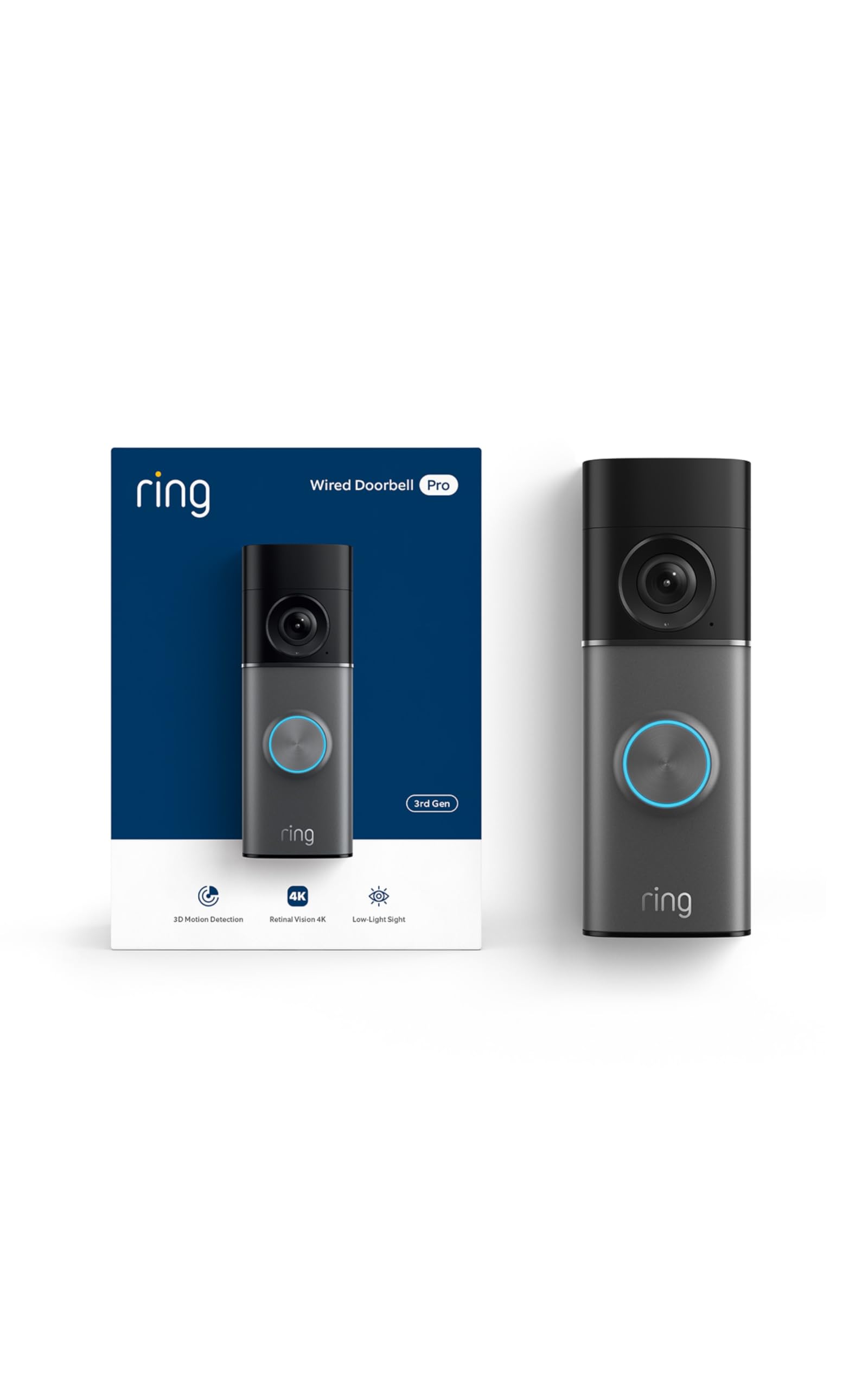

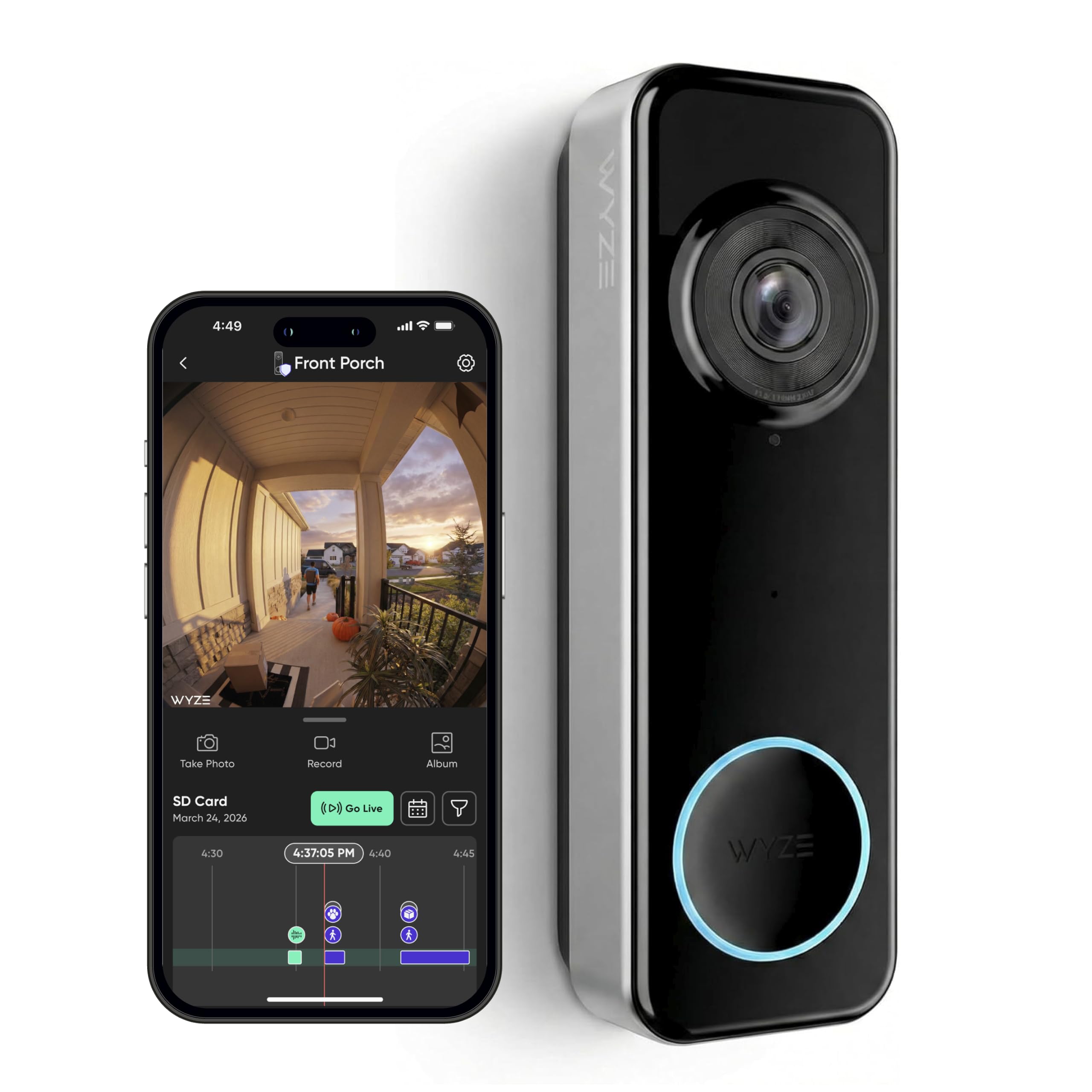
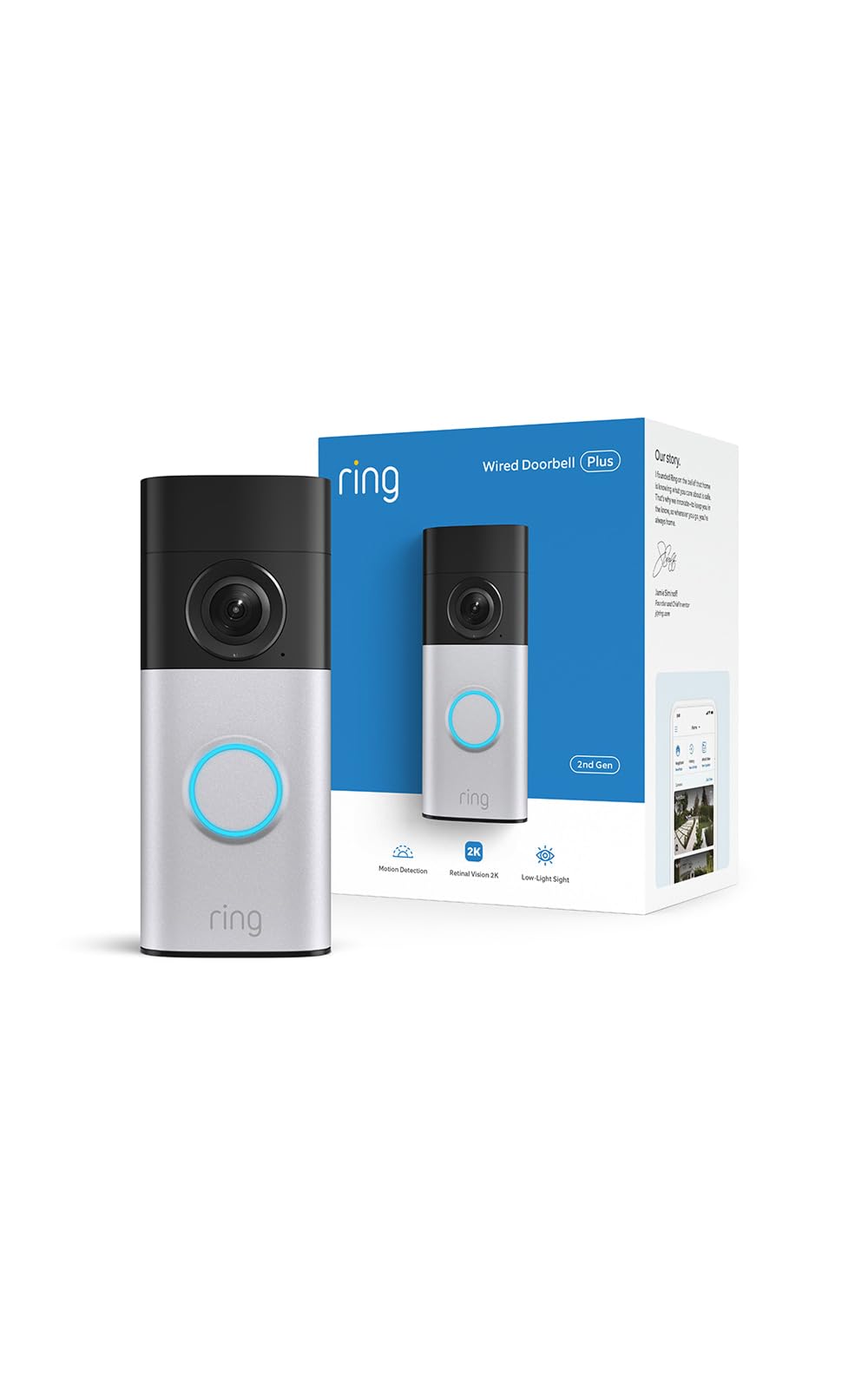
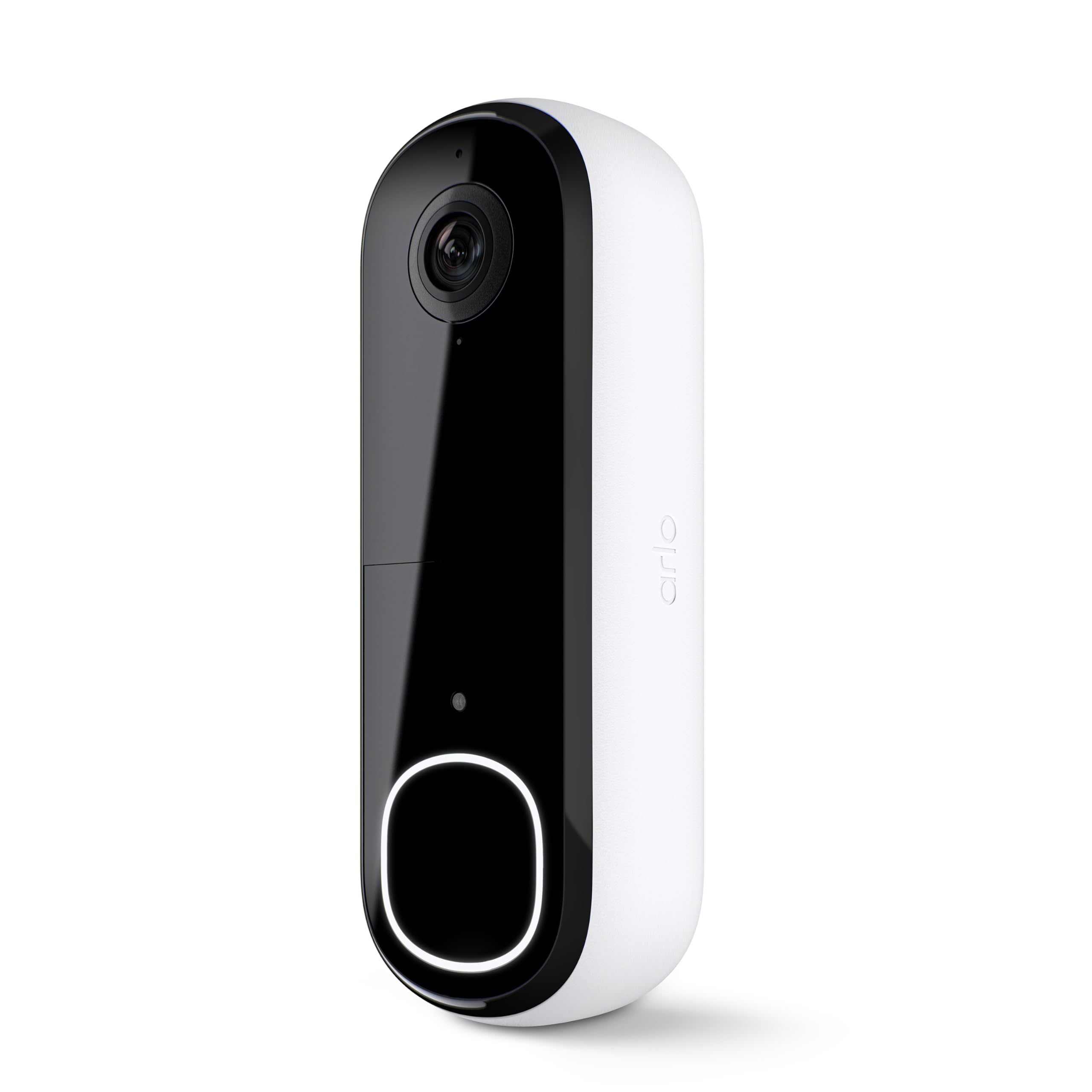
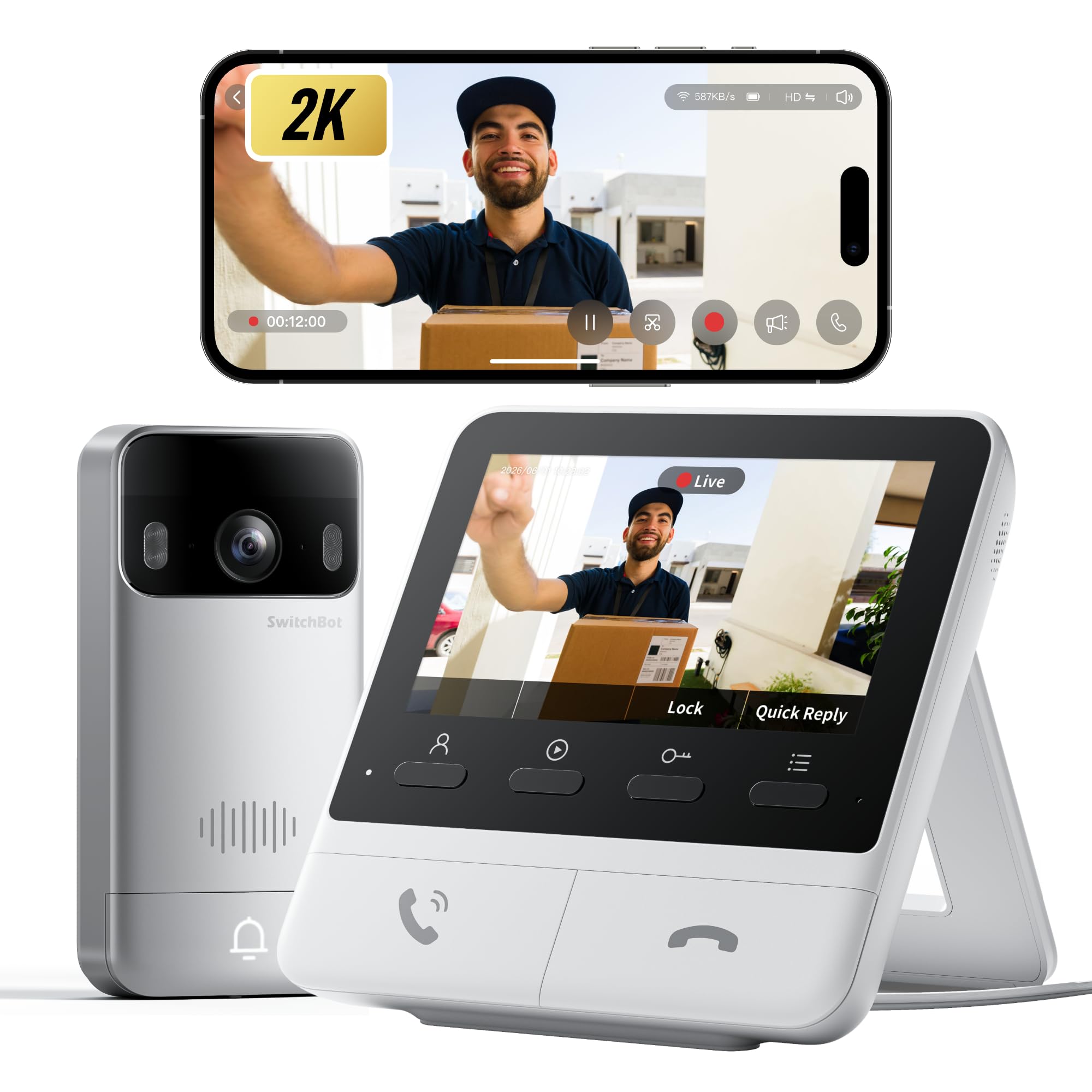
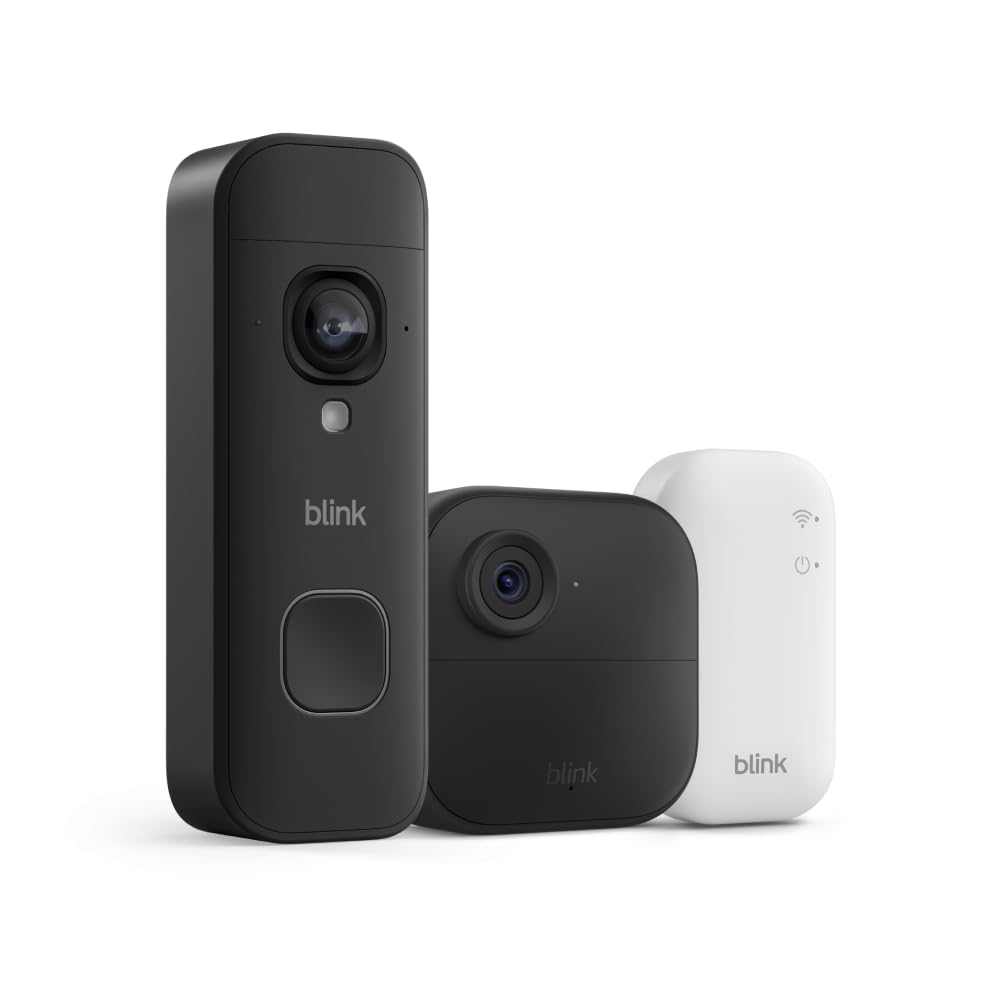
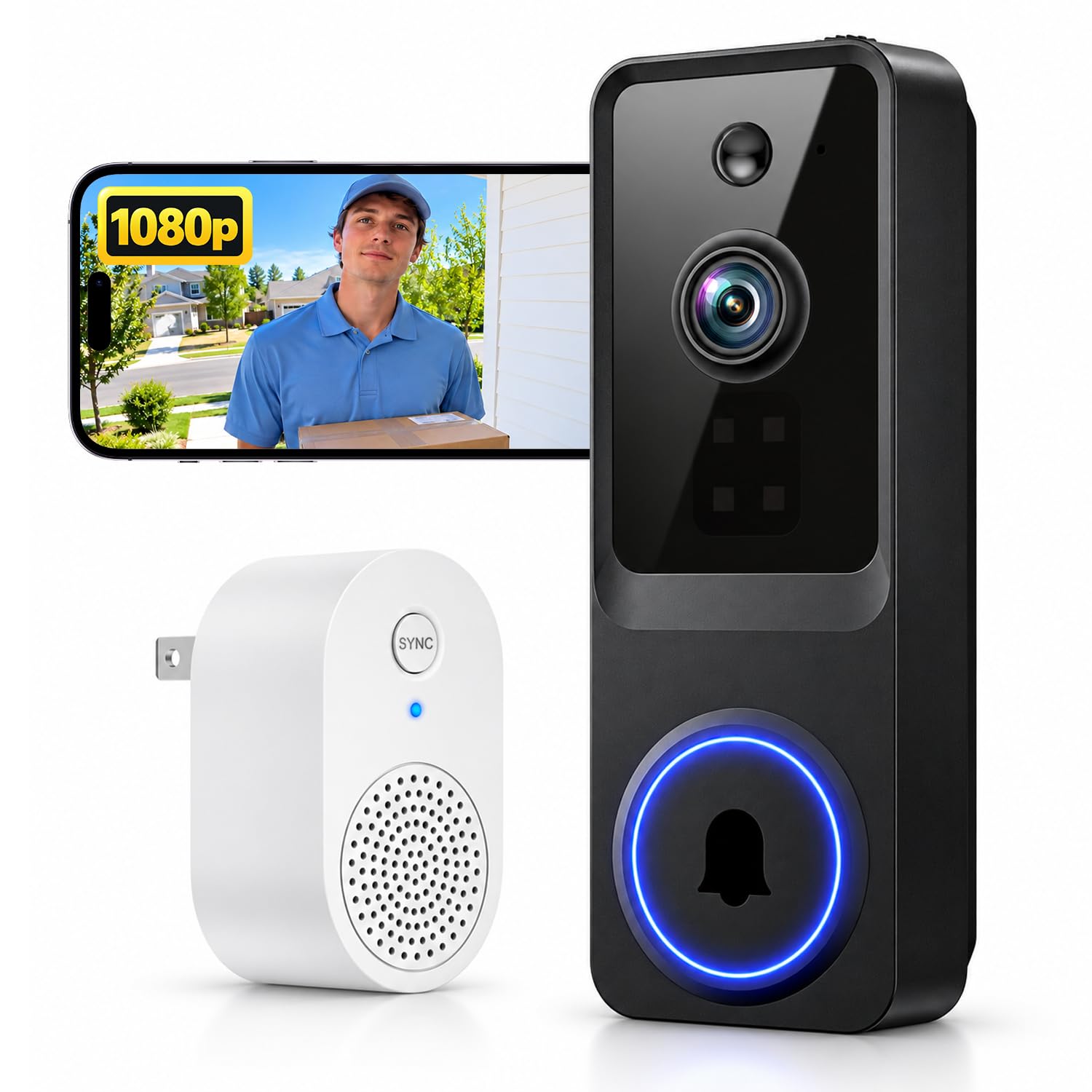
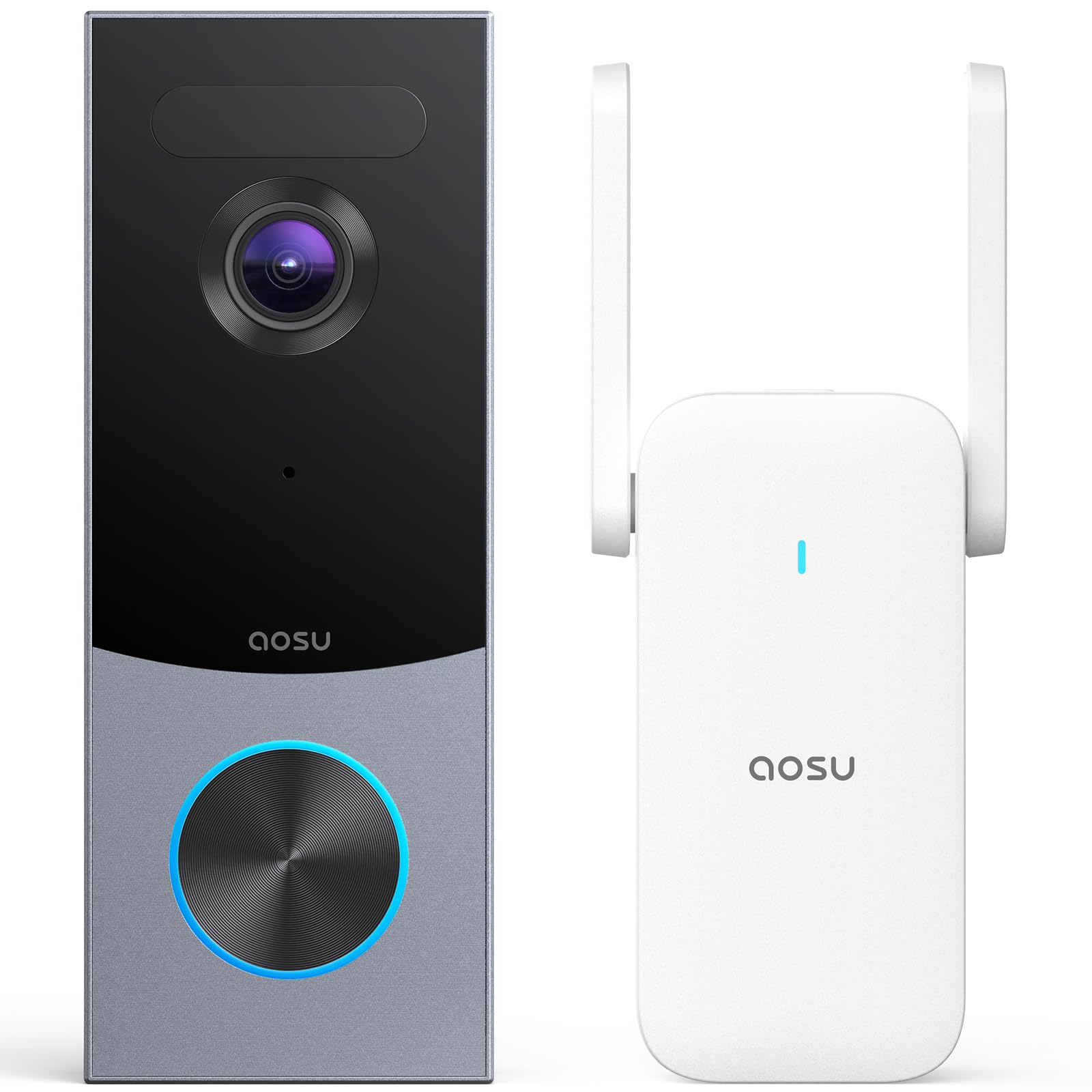
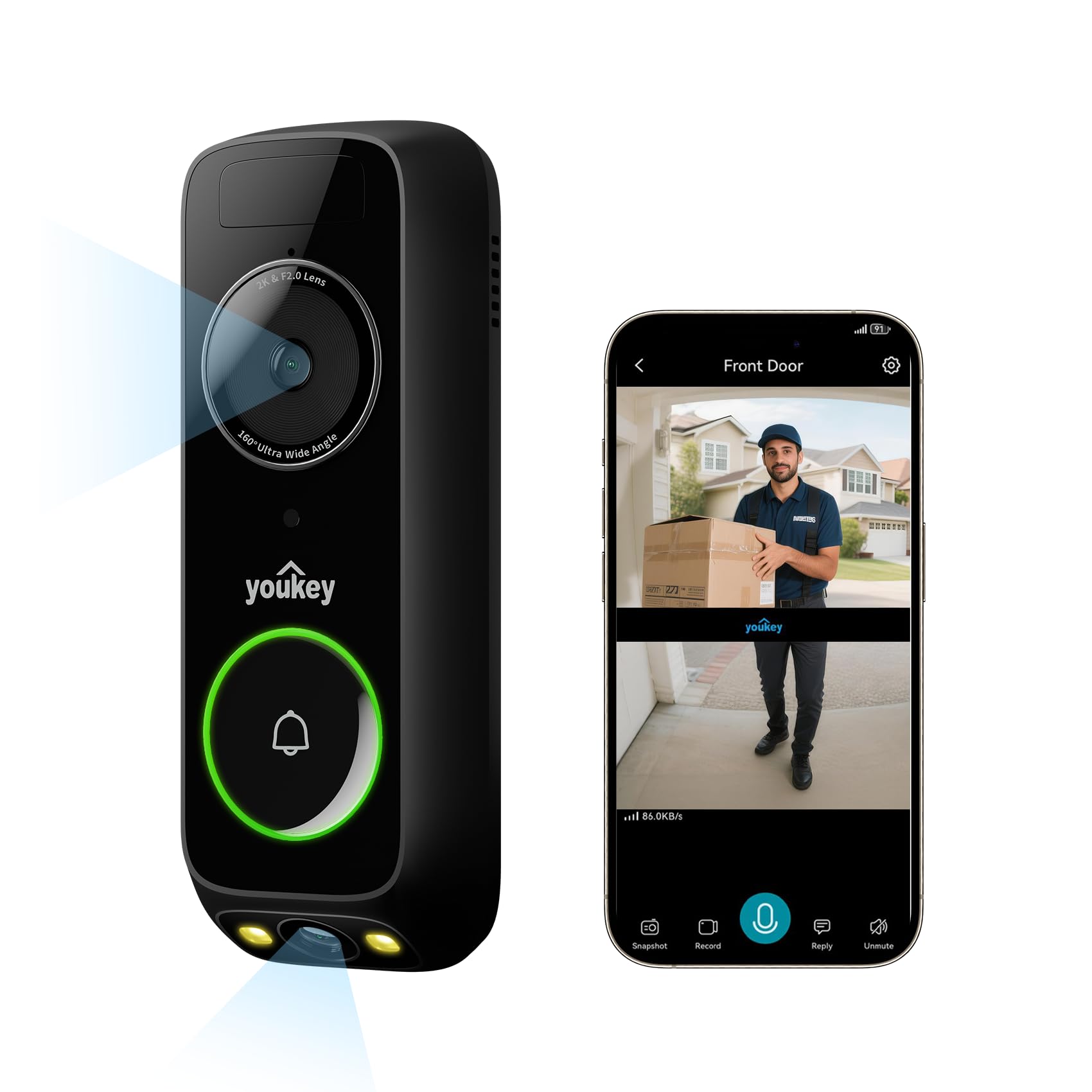
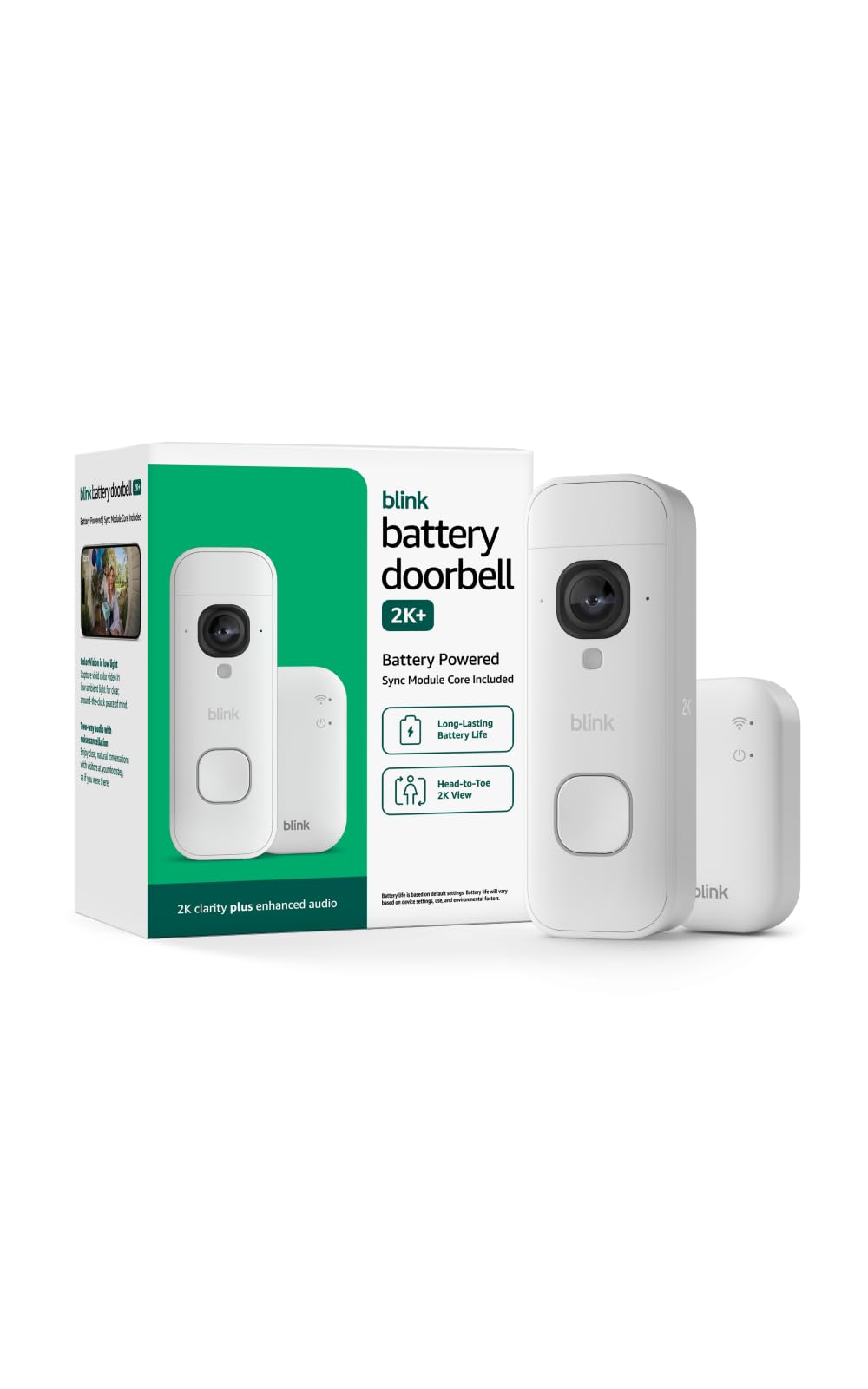

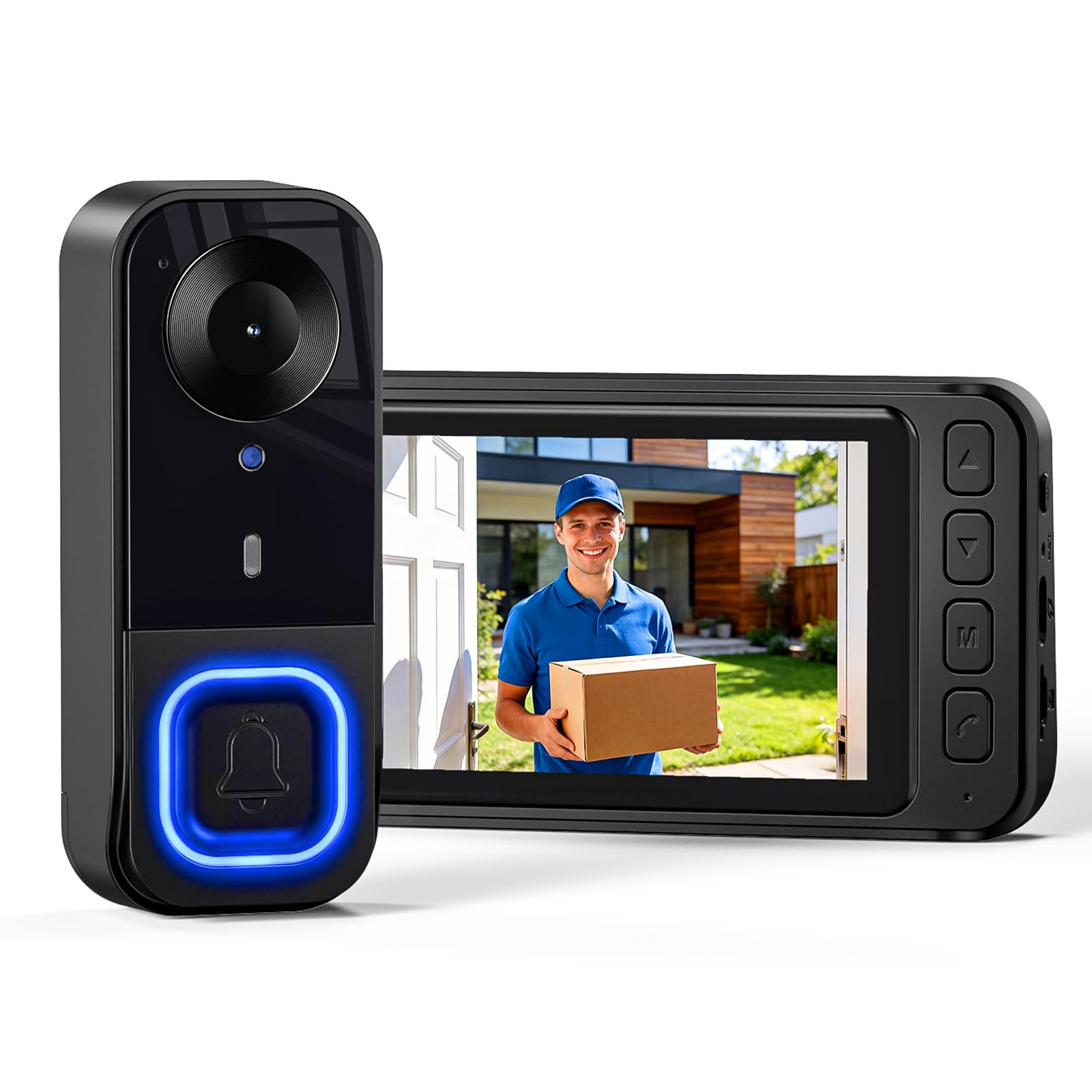

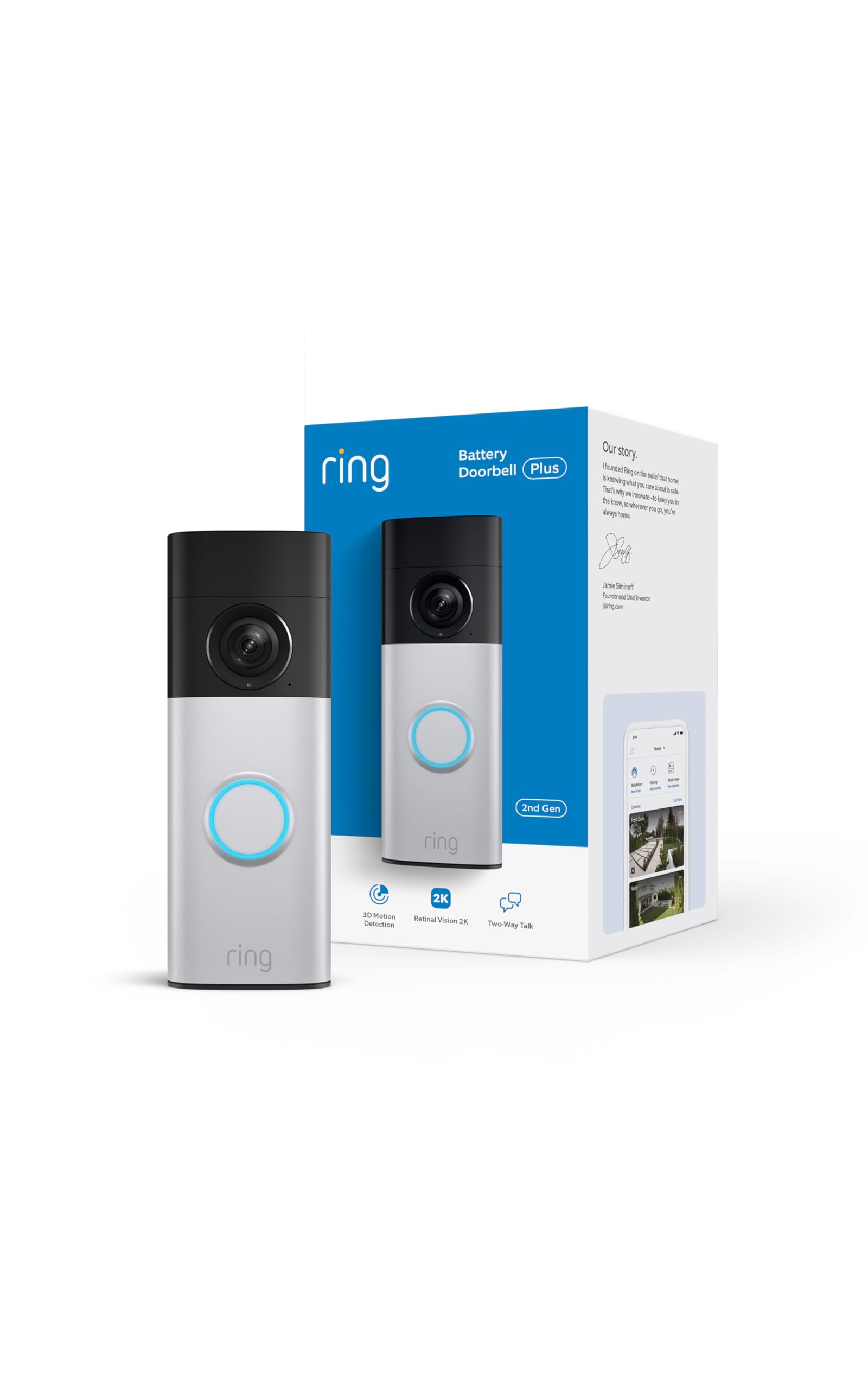
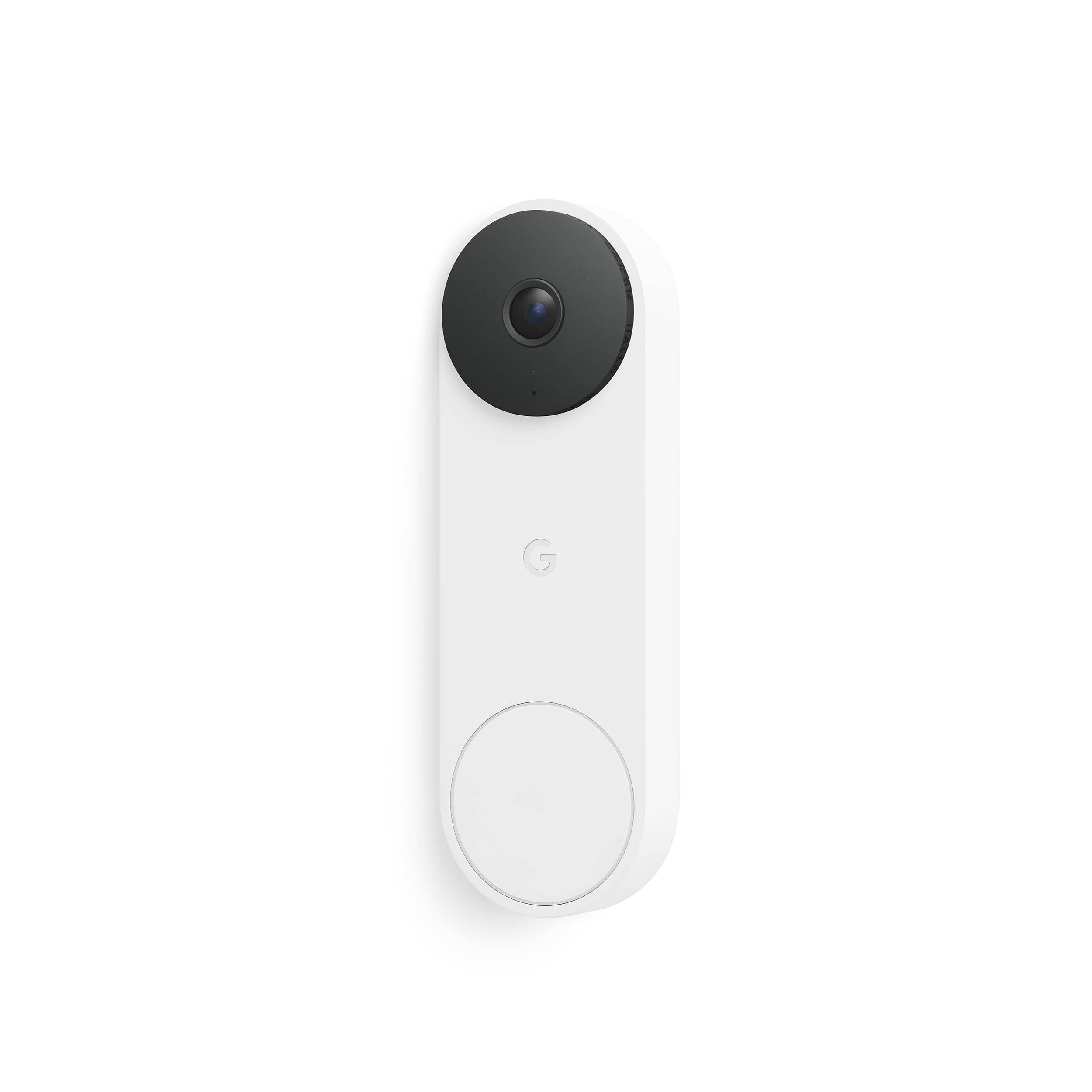
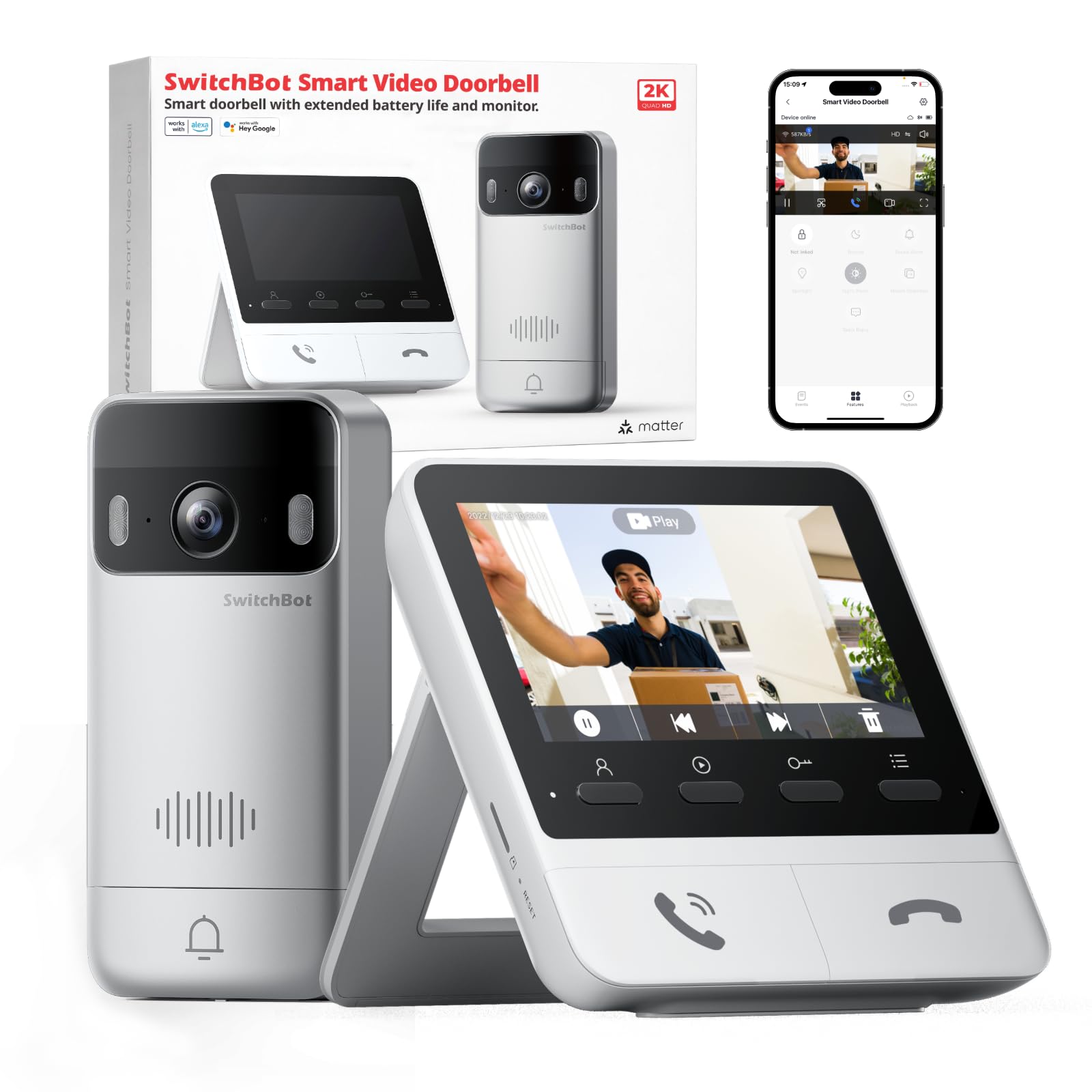


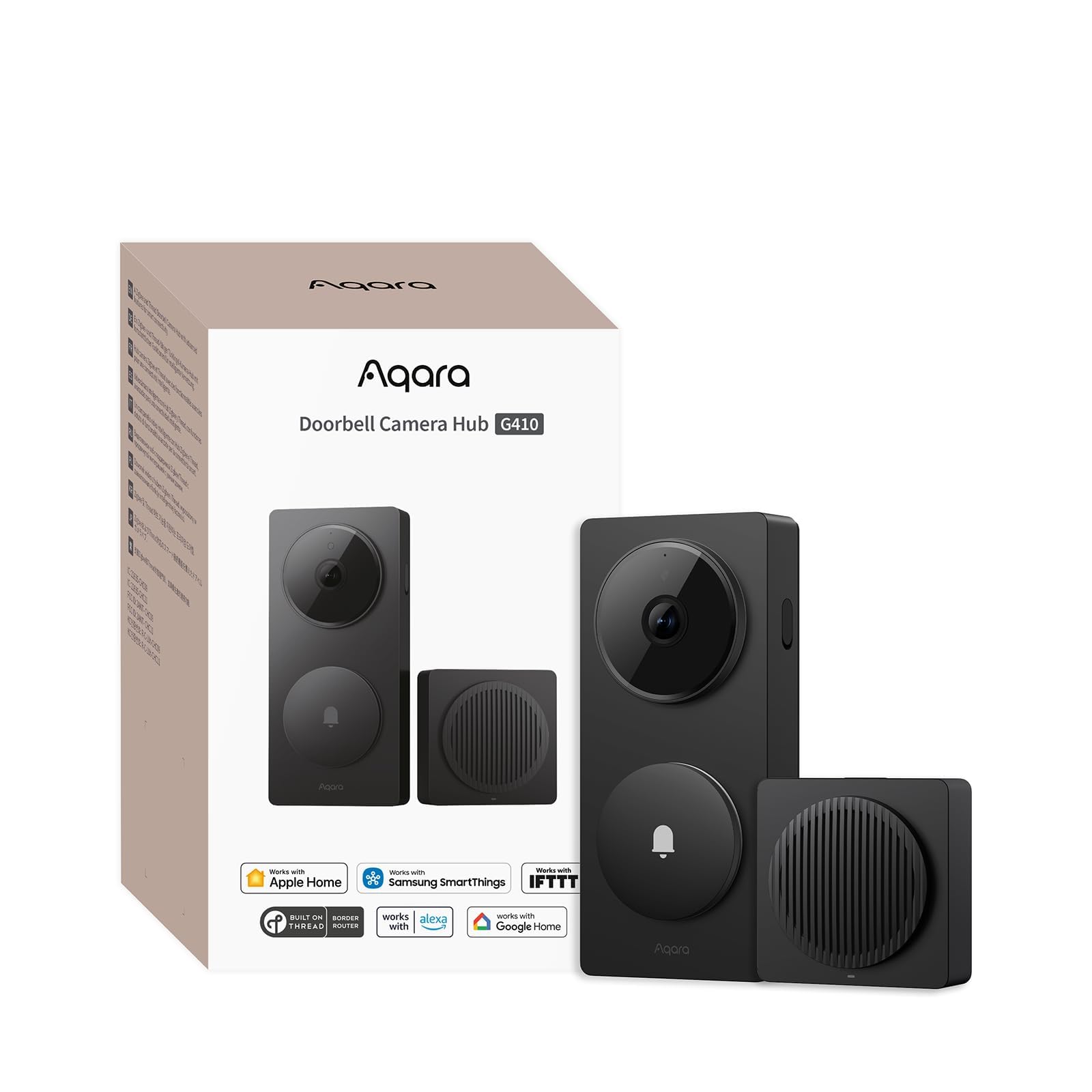


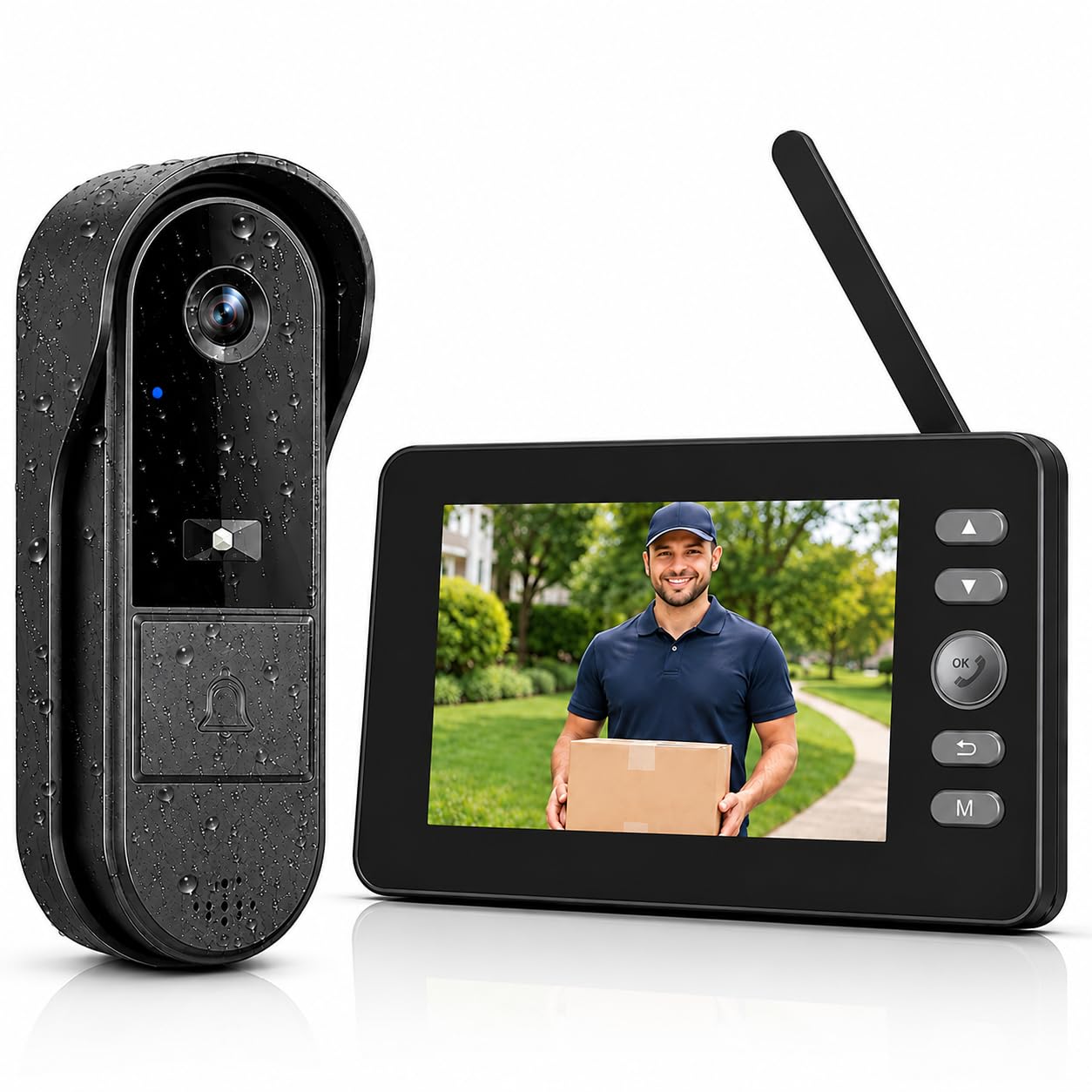

The doorbell is the camera people actually use
Most security cameras record a lot of nothing and get checked after an incident. A video doorbell is the opposite: it rings, you look, and you decide whether to answer. That immediacy is why it is often the first camera people buy and the one they use most.
It is also two products in one. The camera half is simple. The intercom half, speaker, microphone and chime, is where cheap units fall apart, and it is the part you notice on the first delivery you miss.
Wired, battery and the power question
A wired doorbell takes power from existing doorbell wiring, usually 8 to 24 volts AC. It never needs charging, it can record continuously, and it requires wiring that many houses and almost all flats do not have in a usable state.
A battery doorbell installs in ten minutes with two screws and needs charging every one to six months. Cold weather cuts that noticeably, and a busy street with constant motion events can halve the advertised figure. Solar mounts help in summer and do less in December.
Plug-in models sit between the two: mains power through an adapter and a cable to the door. Reliable, and the cable is visible unless you are willing to chase it into a wall.
Two way audio and the chime
Two way audio is the feature to test in reviews rather than trust in the spec sheet. Listen for mentions of delay, echo and volume. A doorbell that lets you hear but not be heard is a camera with extra steps.
Chimes matter more than people expect. Some units include a plug-in chime, some support an existing mechanical chime, and some require a subscription or a smart speaker to ring inside the house at all. If nobody in the household watches the phone, an unsupported chime means the bell only rings in the app.
Clips, subscriptions and privacy
Nearly every doorbell records to the cloud, and nearly every cloud plan is a subscription. Local storage, usually a microSD card in a chime or a base station, is the alternative and it varies by brand. Check what happens without a plan: some units keep live view and drop recording entirely, which is a significant limitation disguised as a free tier.
Privacy is a setting, not a feature. Look for the ability to mask zones, such as the neighbour's door or the public pavement, and to turn off audio recording if your area requires it. Rules on filming public spaces from a private door differ by country and are worth a two minute check before installation.
Mounting and angle
Mount at chest height, around 1.2 to 1.4 metres, so faces fill the frame. Doorbells mounted high show the top of a cap and the sky. If the door is recessed, a wedge mount angles the camera past the frame, and most brands sell one separately.
Check the field of view against the doorstep. A 160 degree lens catches parcels on the ground and distorts faces at the edge. A narrower lens reads faces better and misses the parcel. Neither is wrong; decide which matters more before ordering.
How it fits with the rest of the system
A doorbell covers the entrance, and a security camera covers the drive, garden or yard behind it. For a business entrance, a doorbell plus a small CCTV recorder gives a clip that can be kept rather than a notification that disappears. If the priority is knowing that someone is on the property at all, a driveway or door sensor is cheaper and more reliable than video.