
Collection
CCTV systems
A multi camera system is a wiring and storage decision more than a camera decision. PoE carries power and data on one cable, an NVR records every channel to one drive, and the size of that drive sets how many days you can look back.
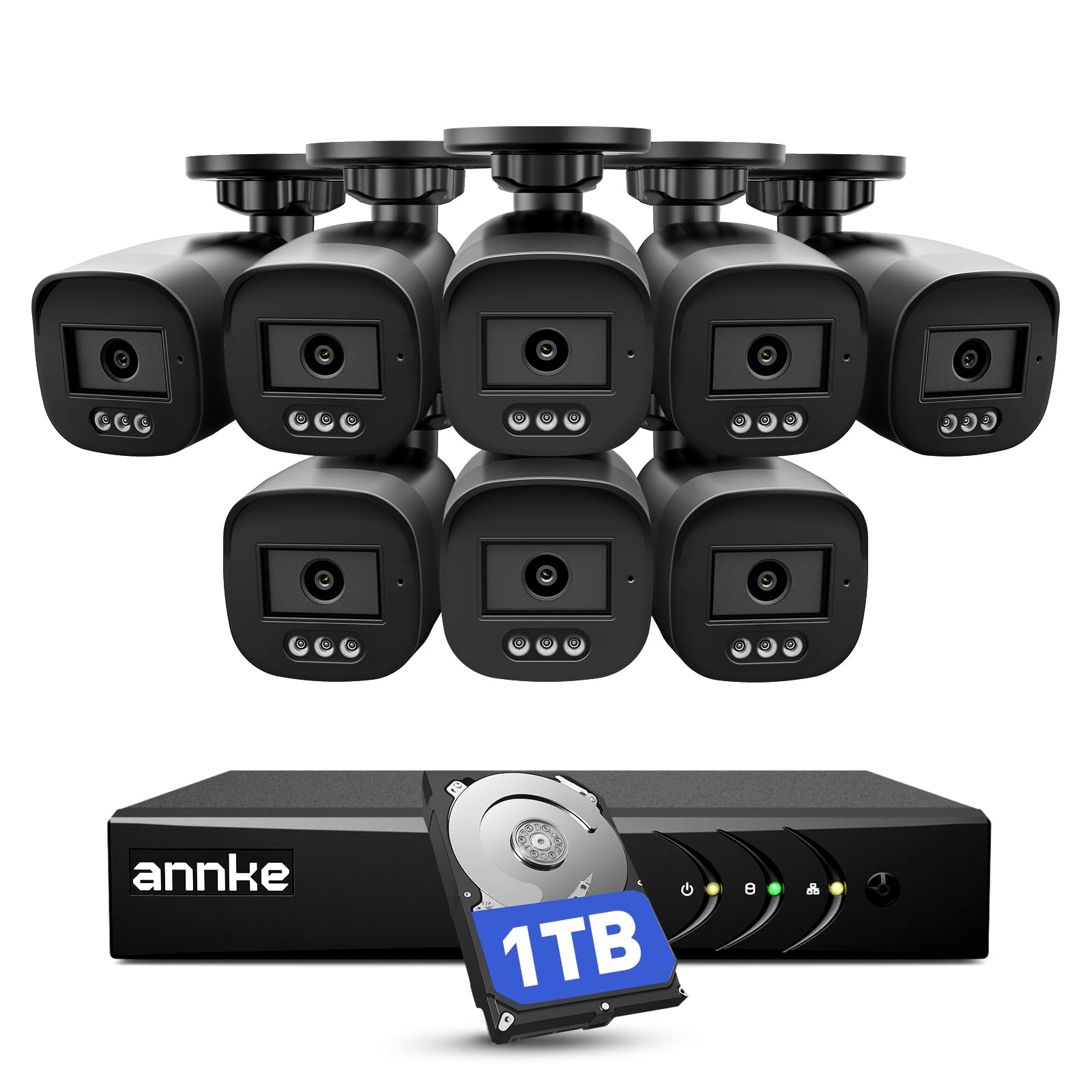
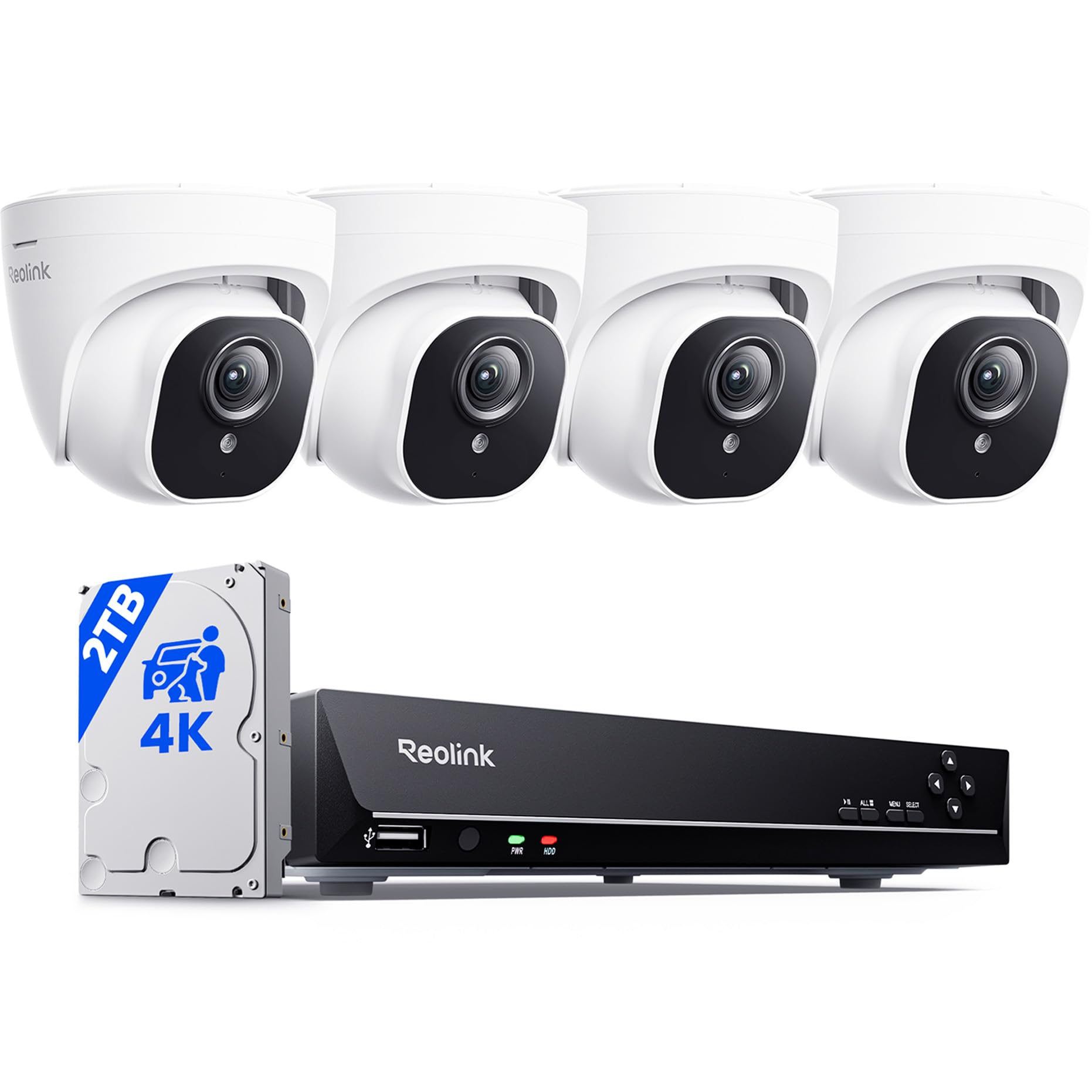
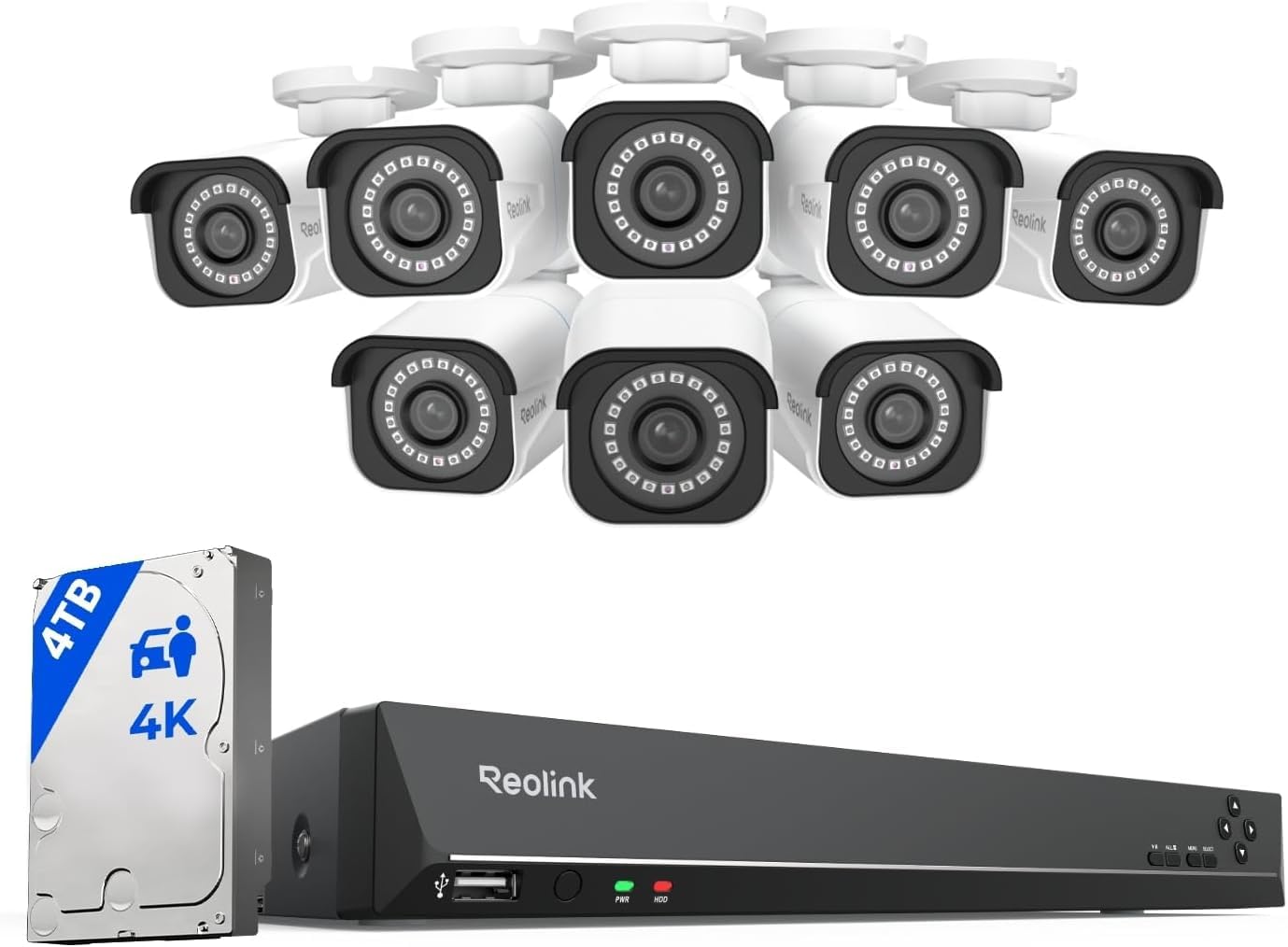
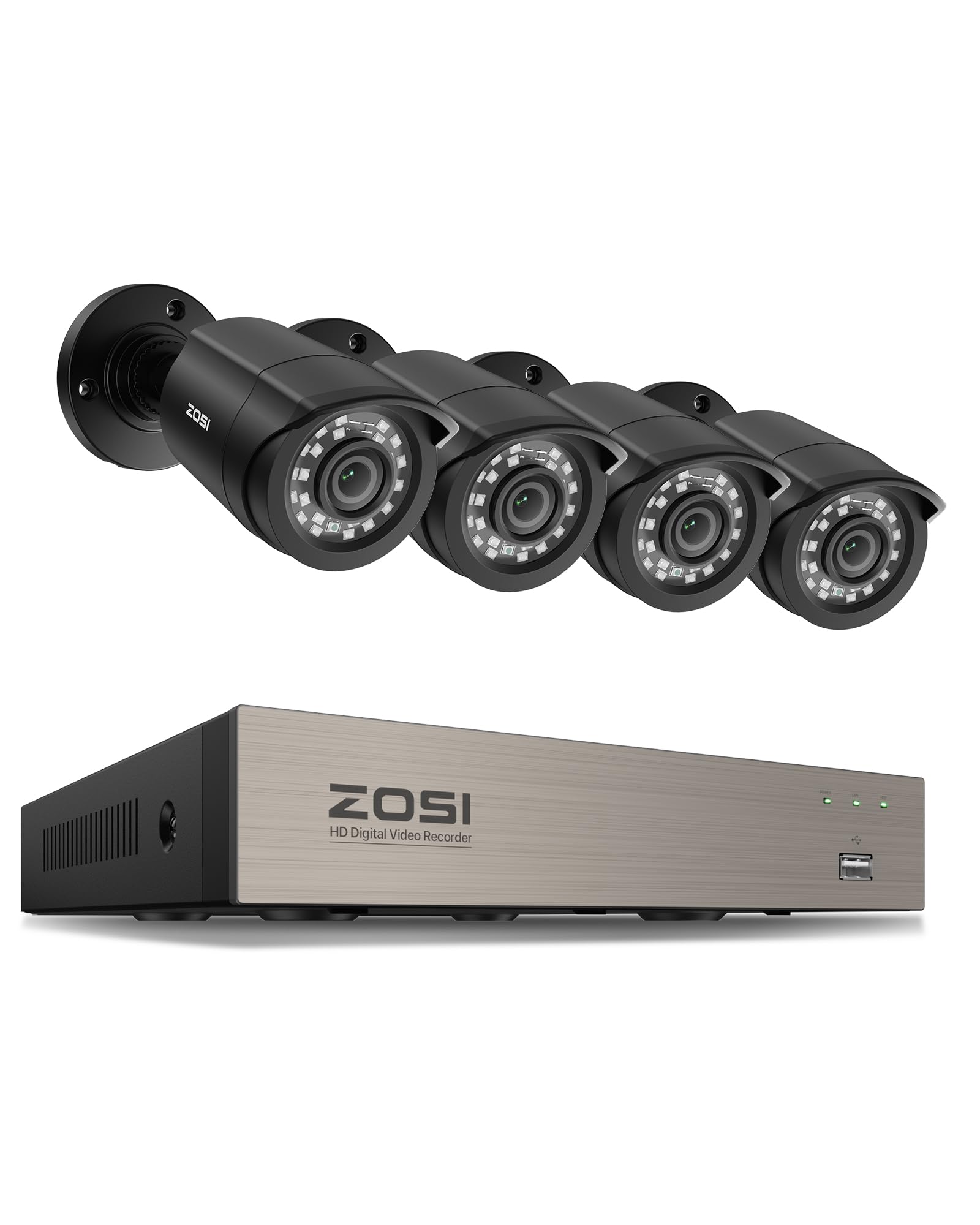
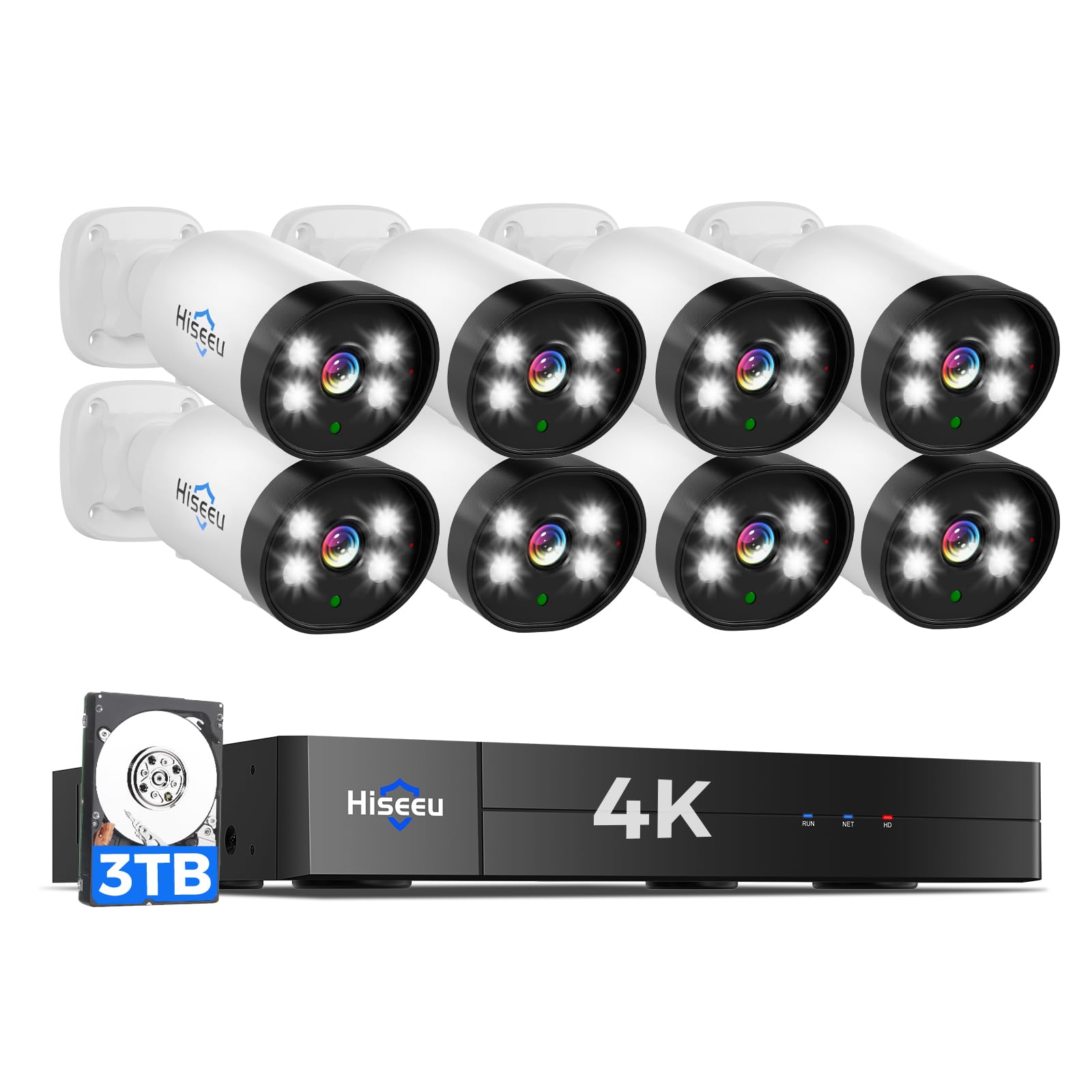
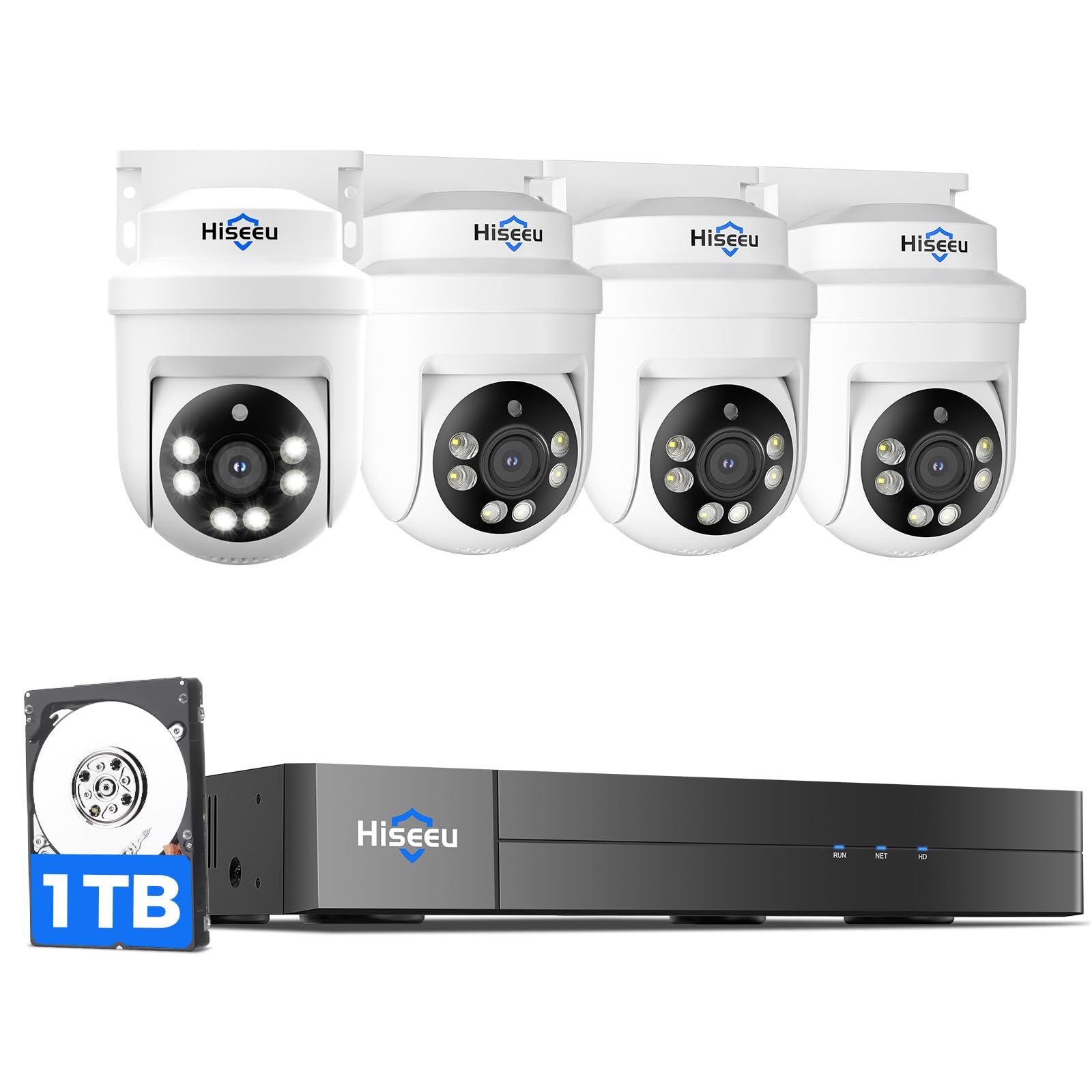
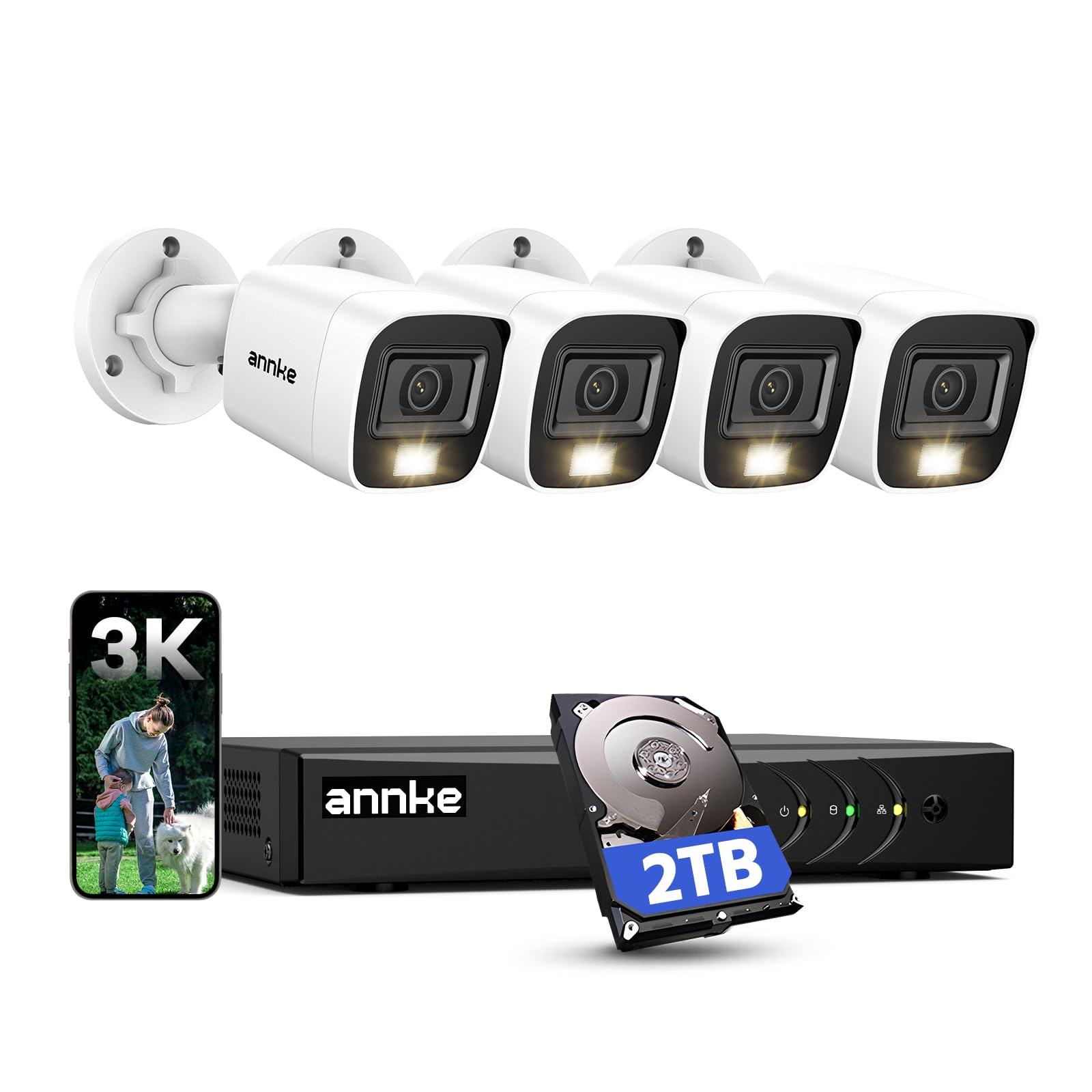
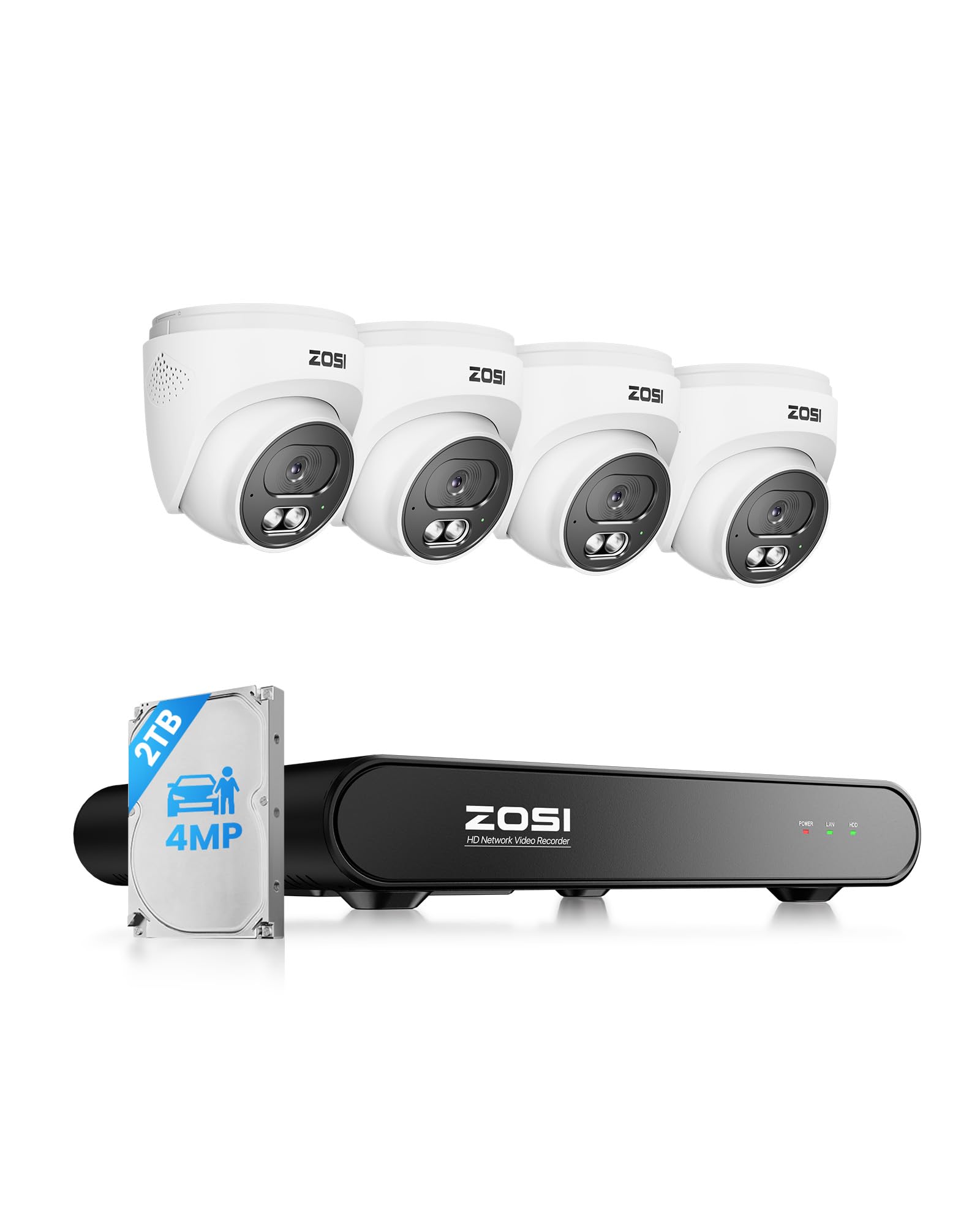


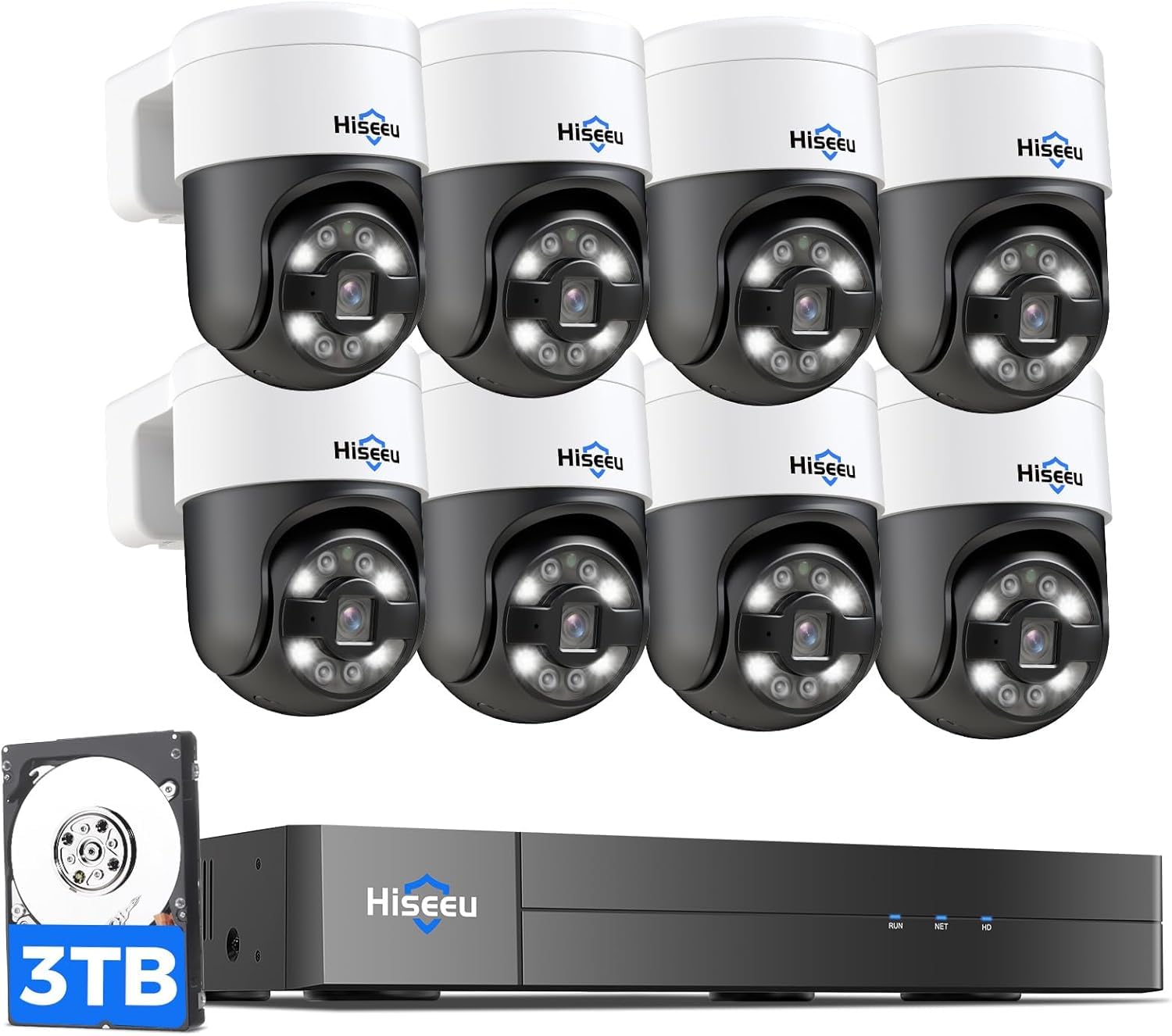



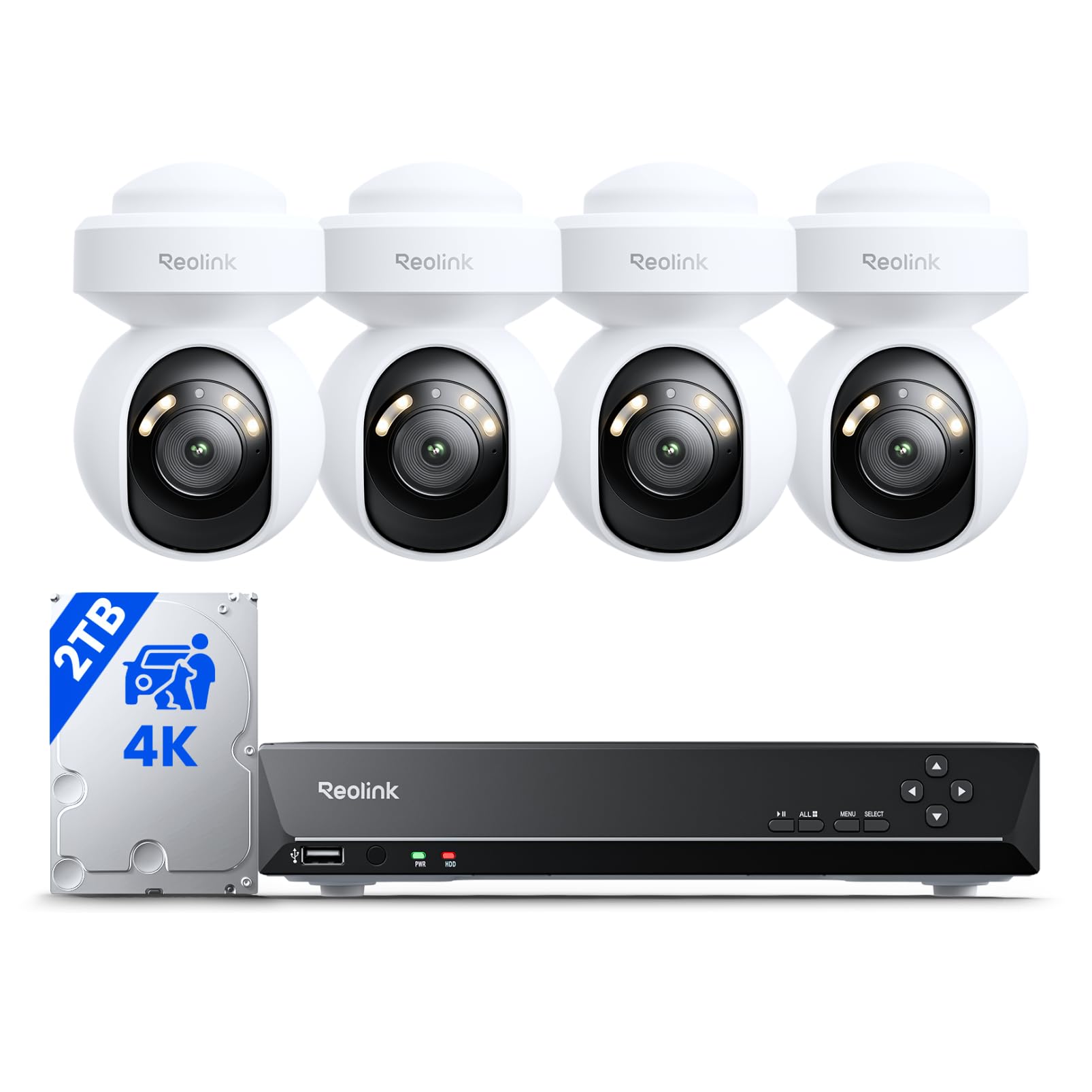
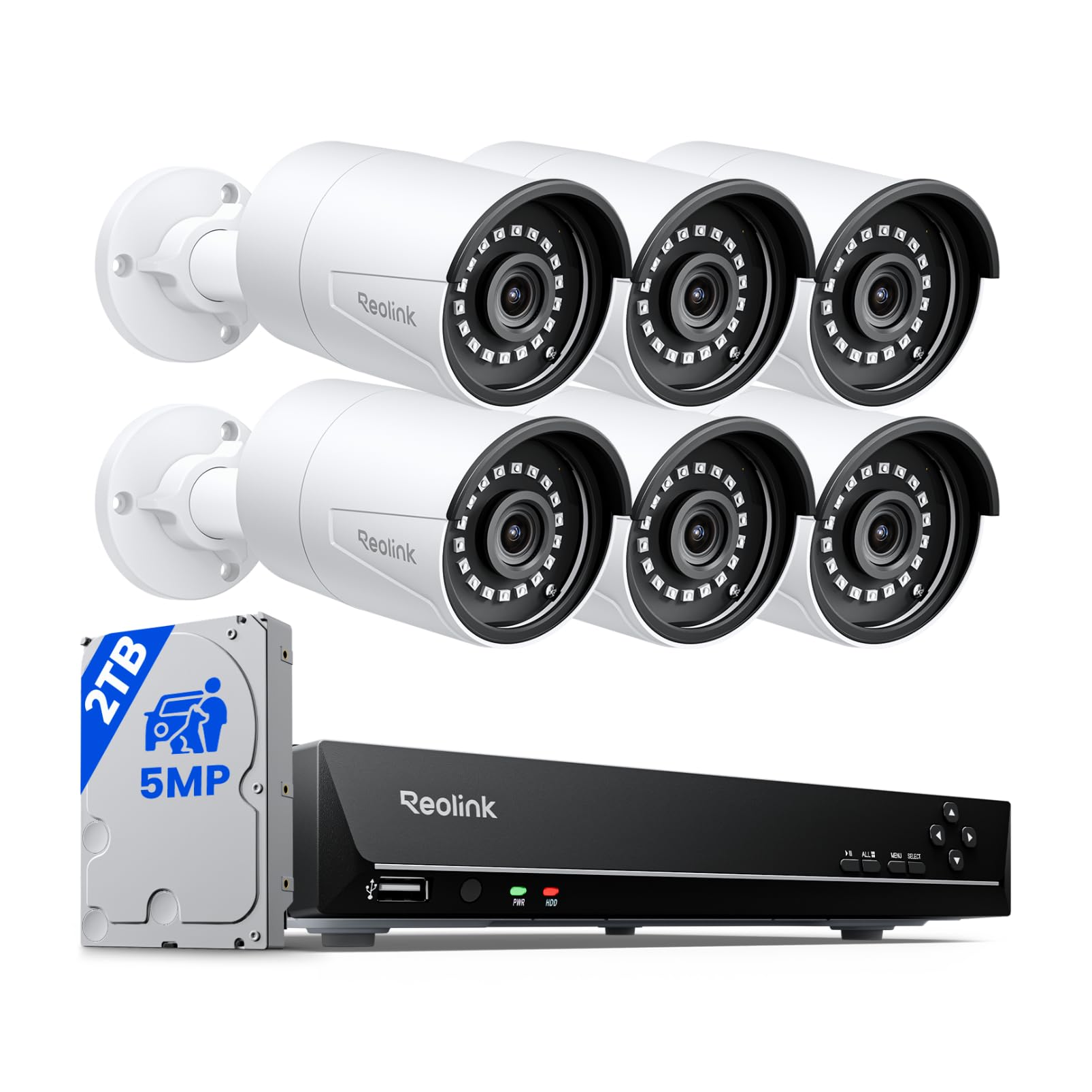
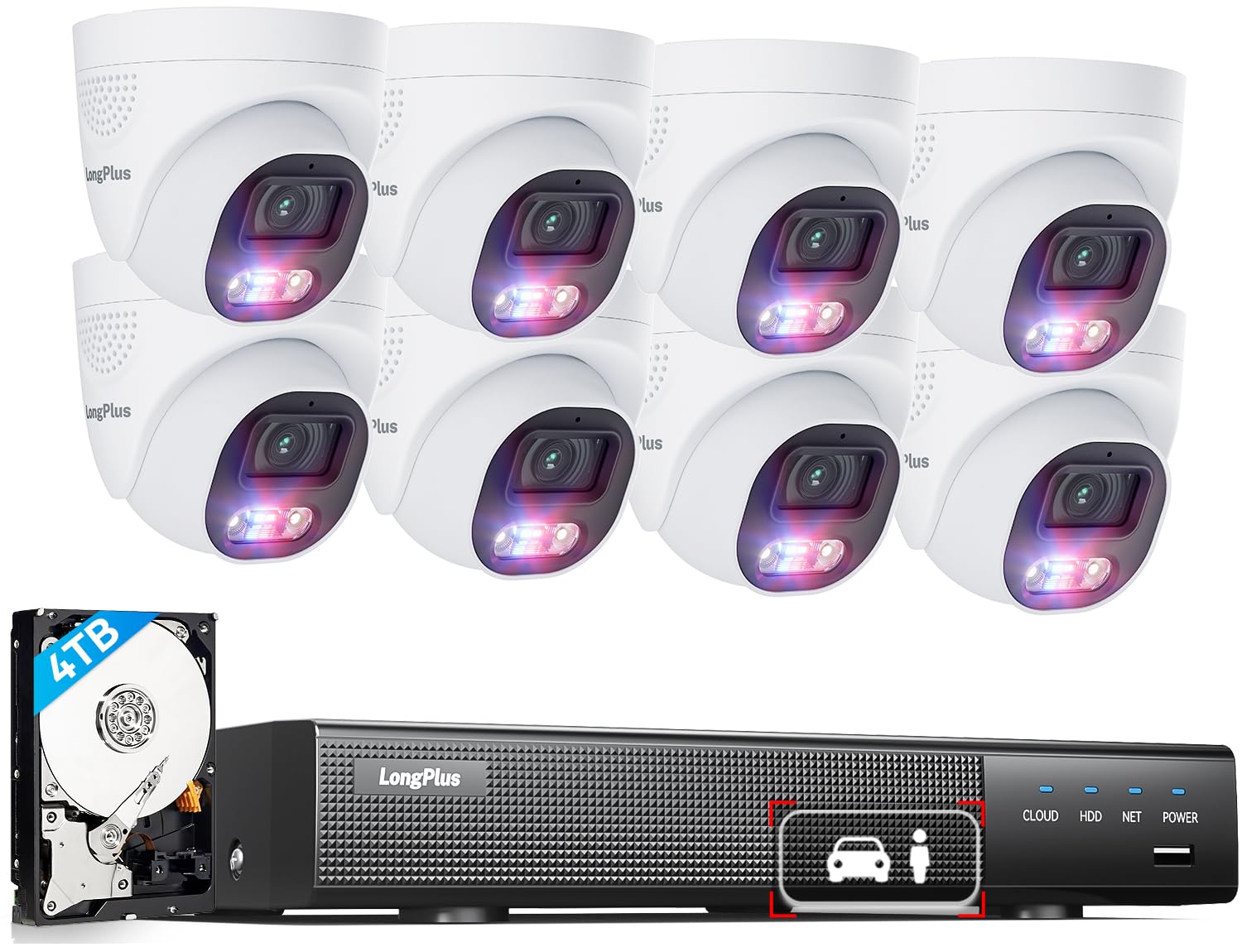
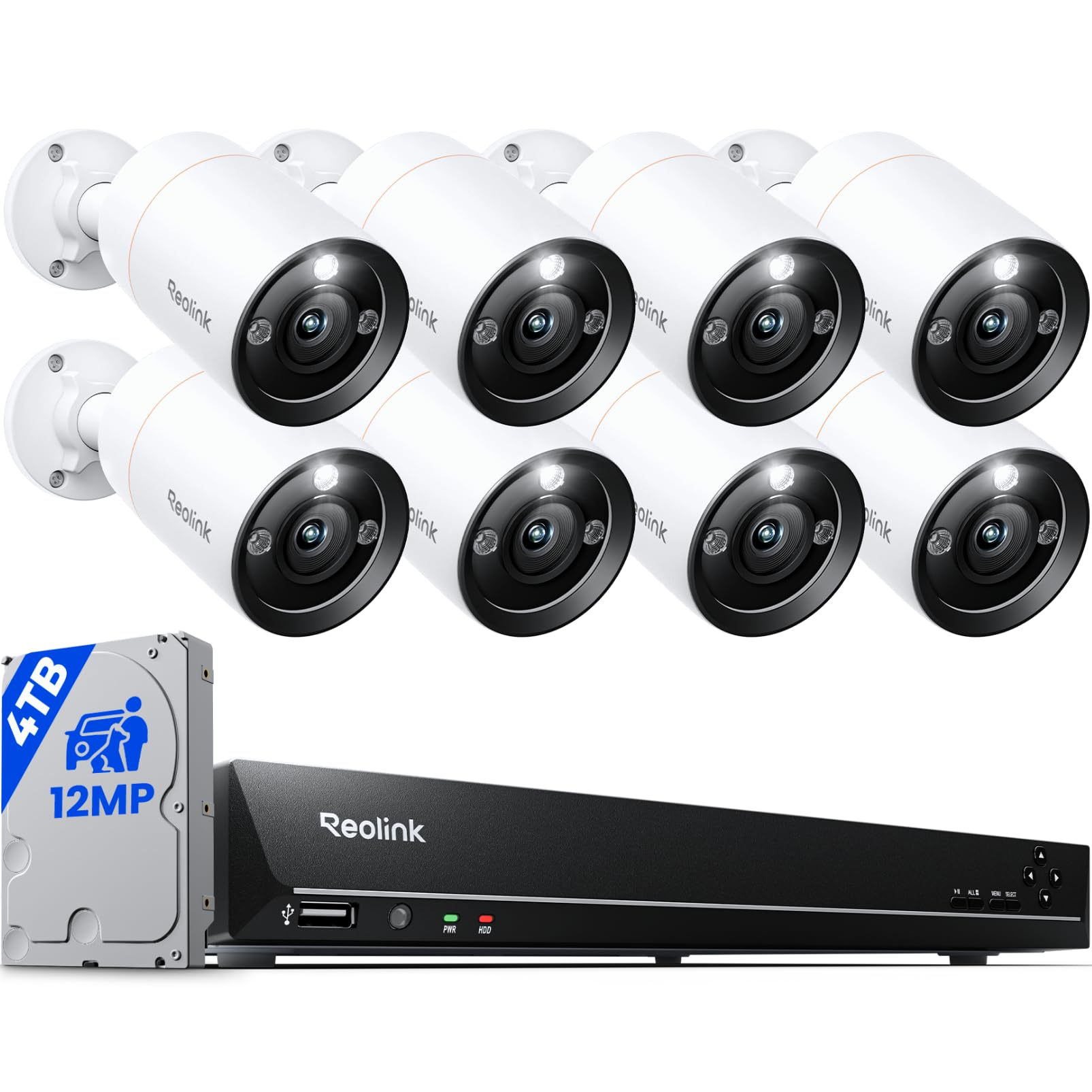
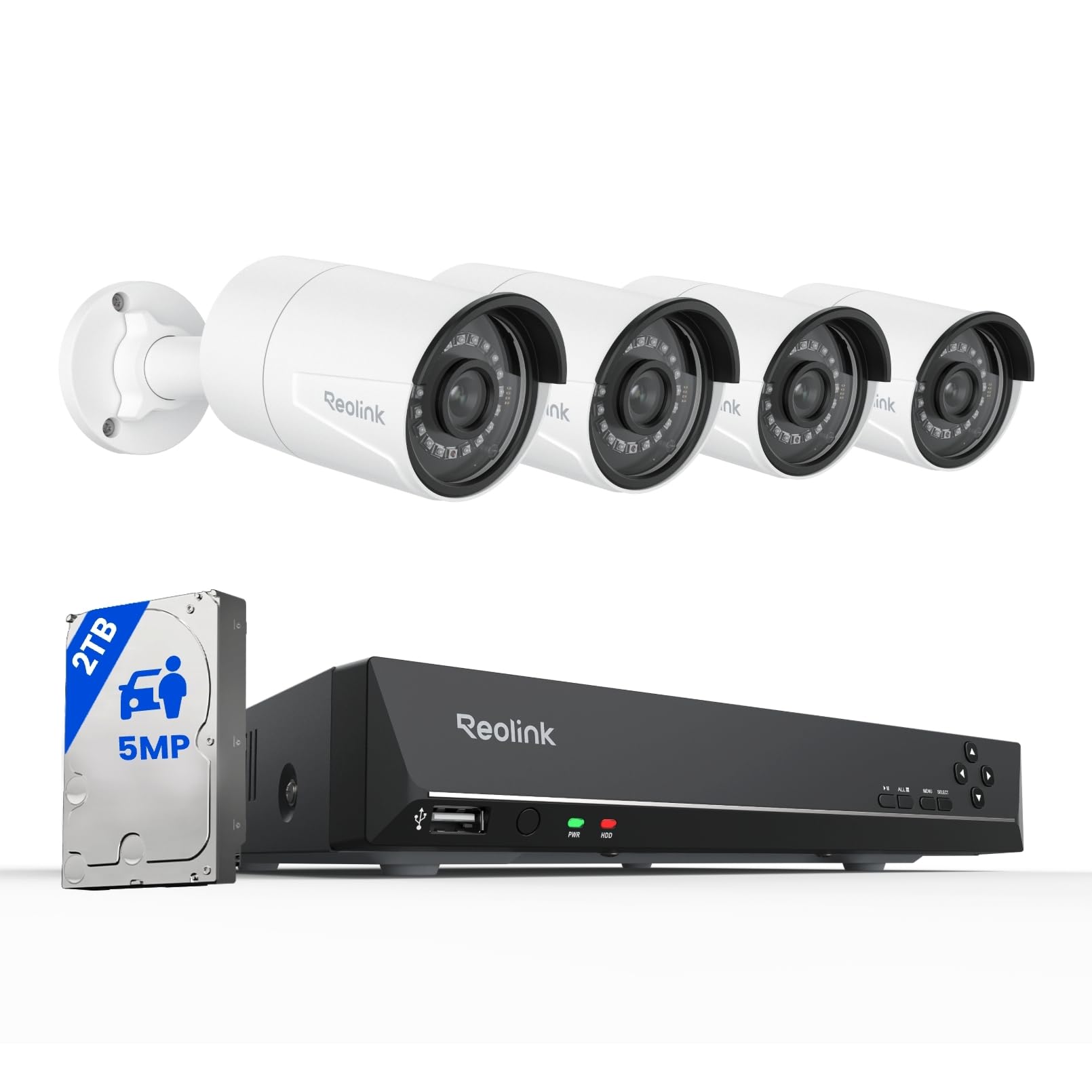


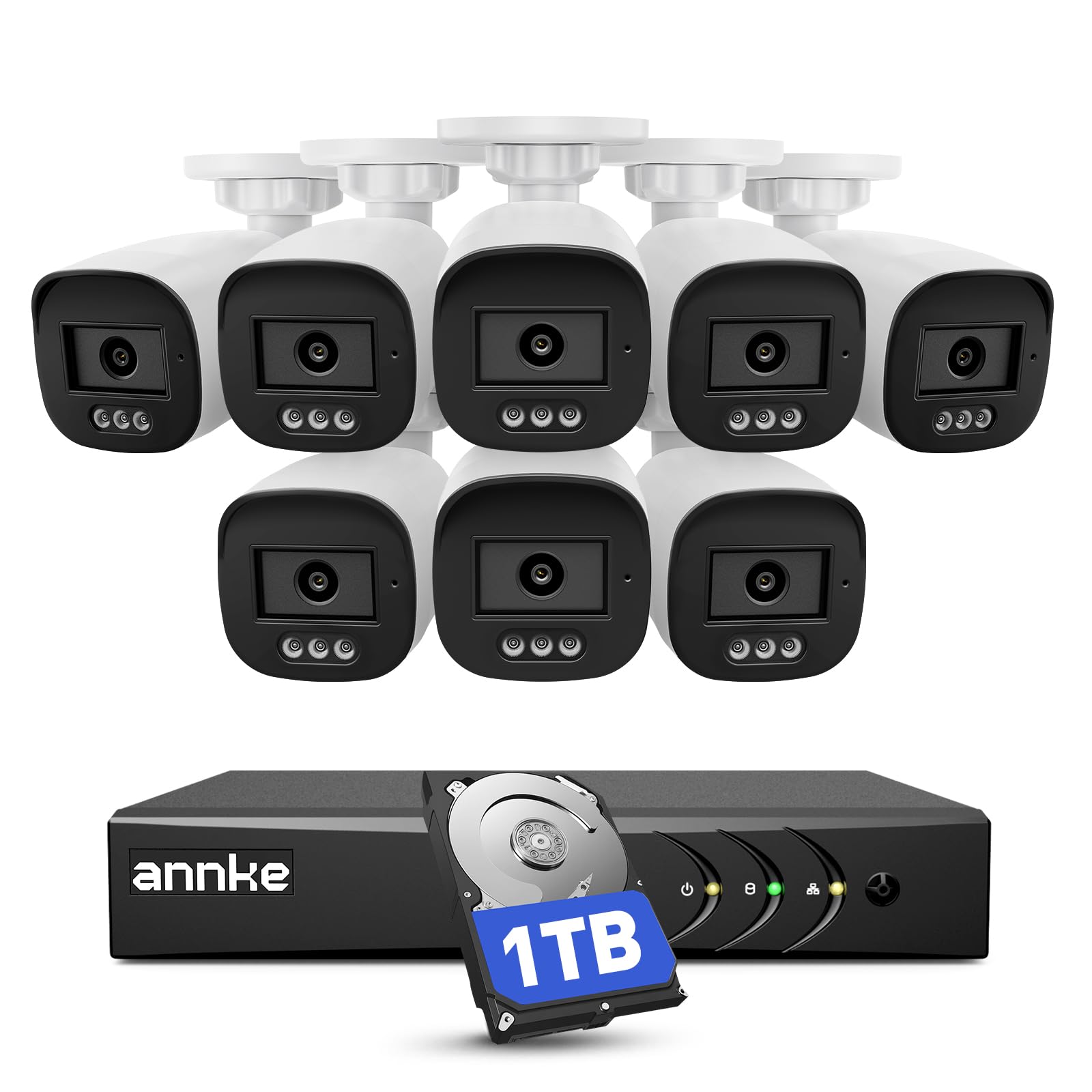


Buying a kit versus building one
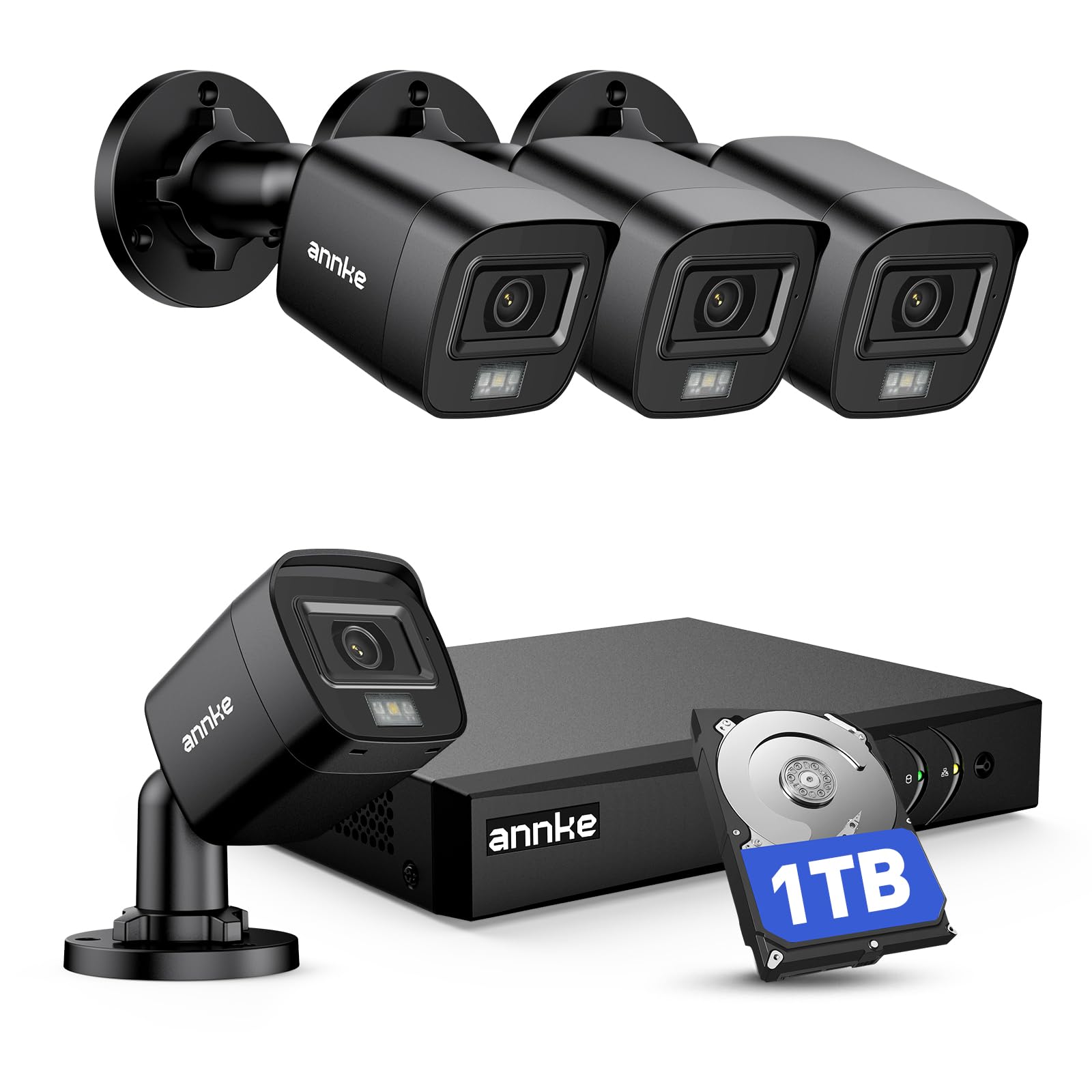
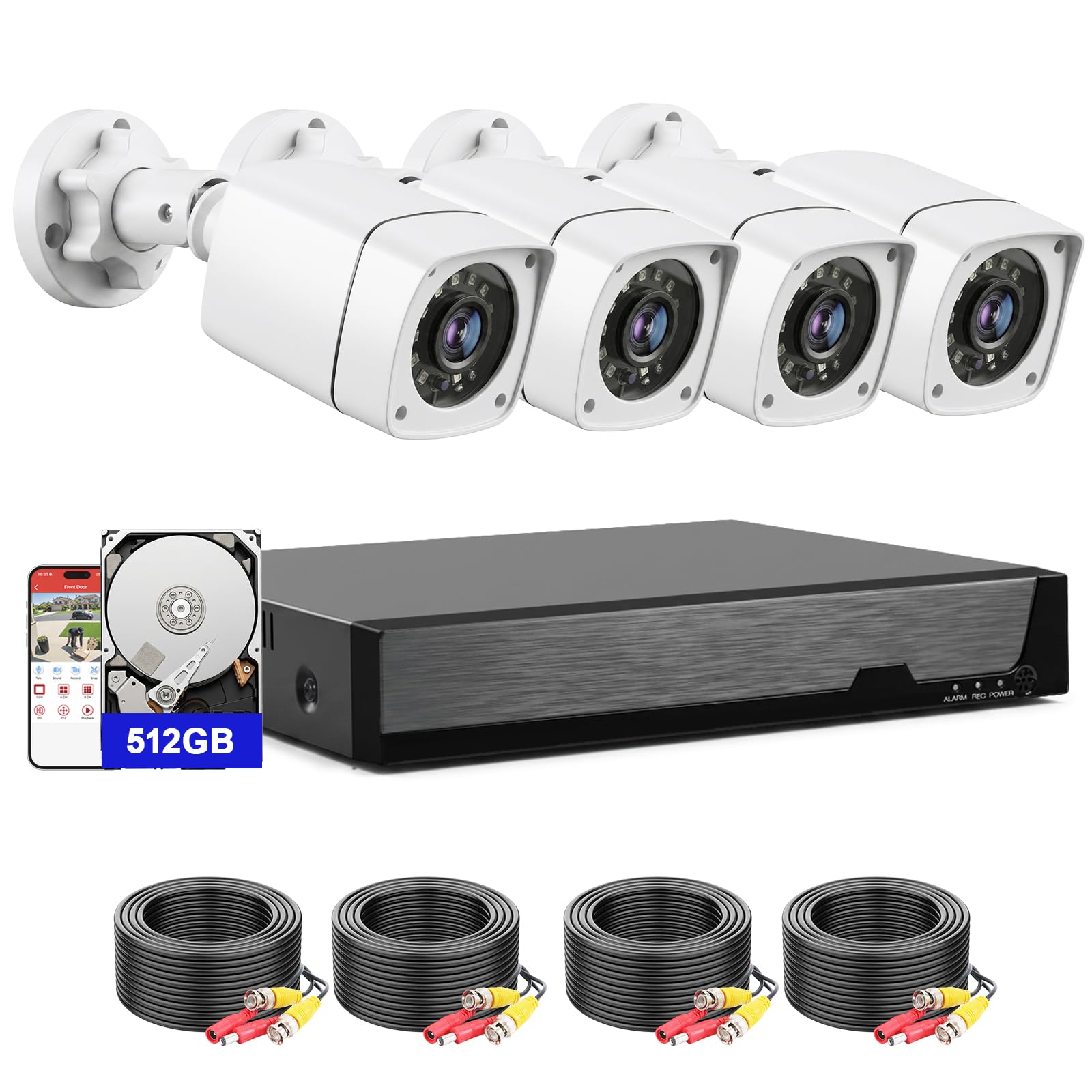
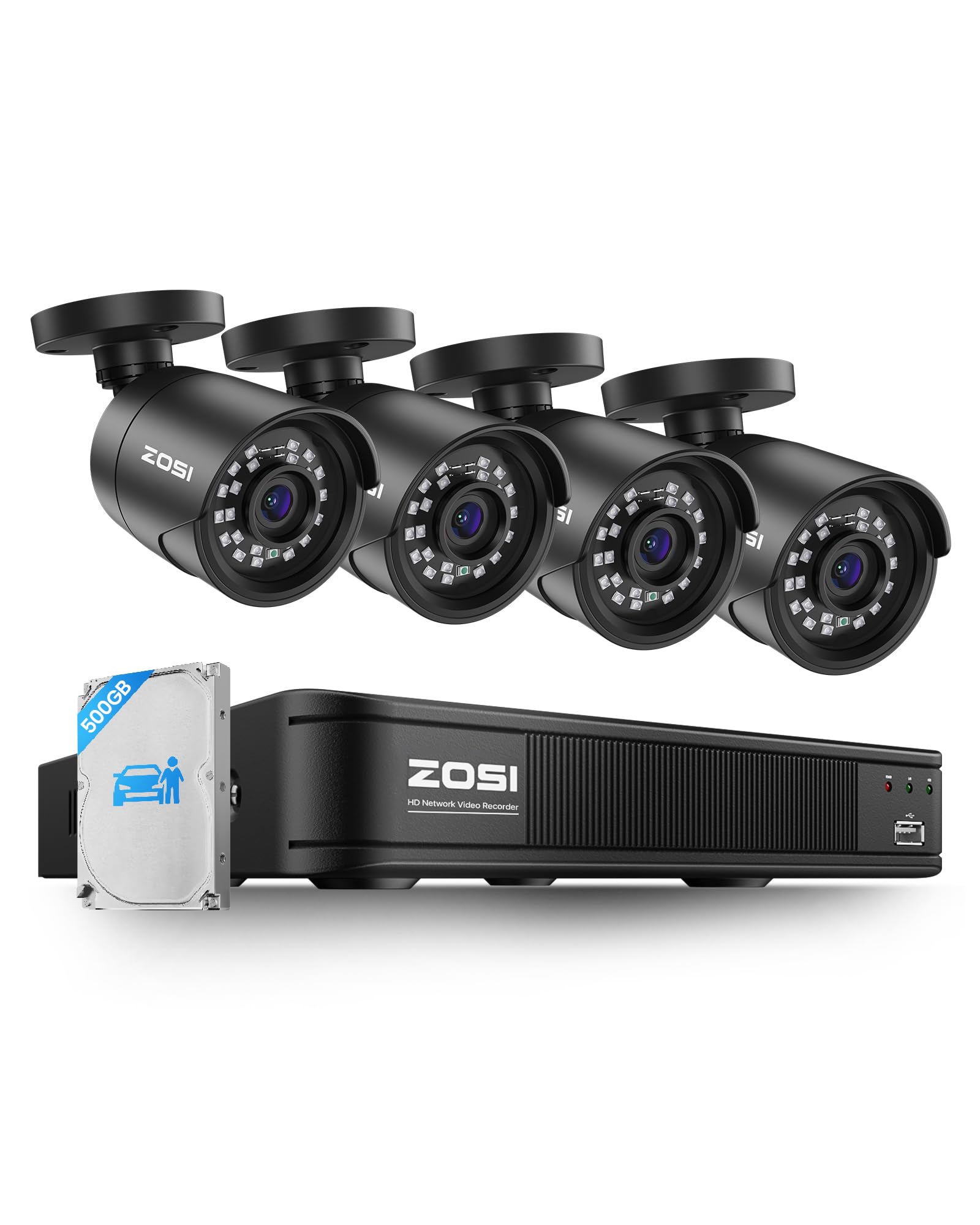
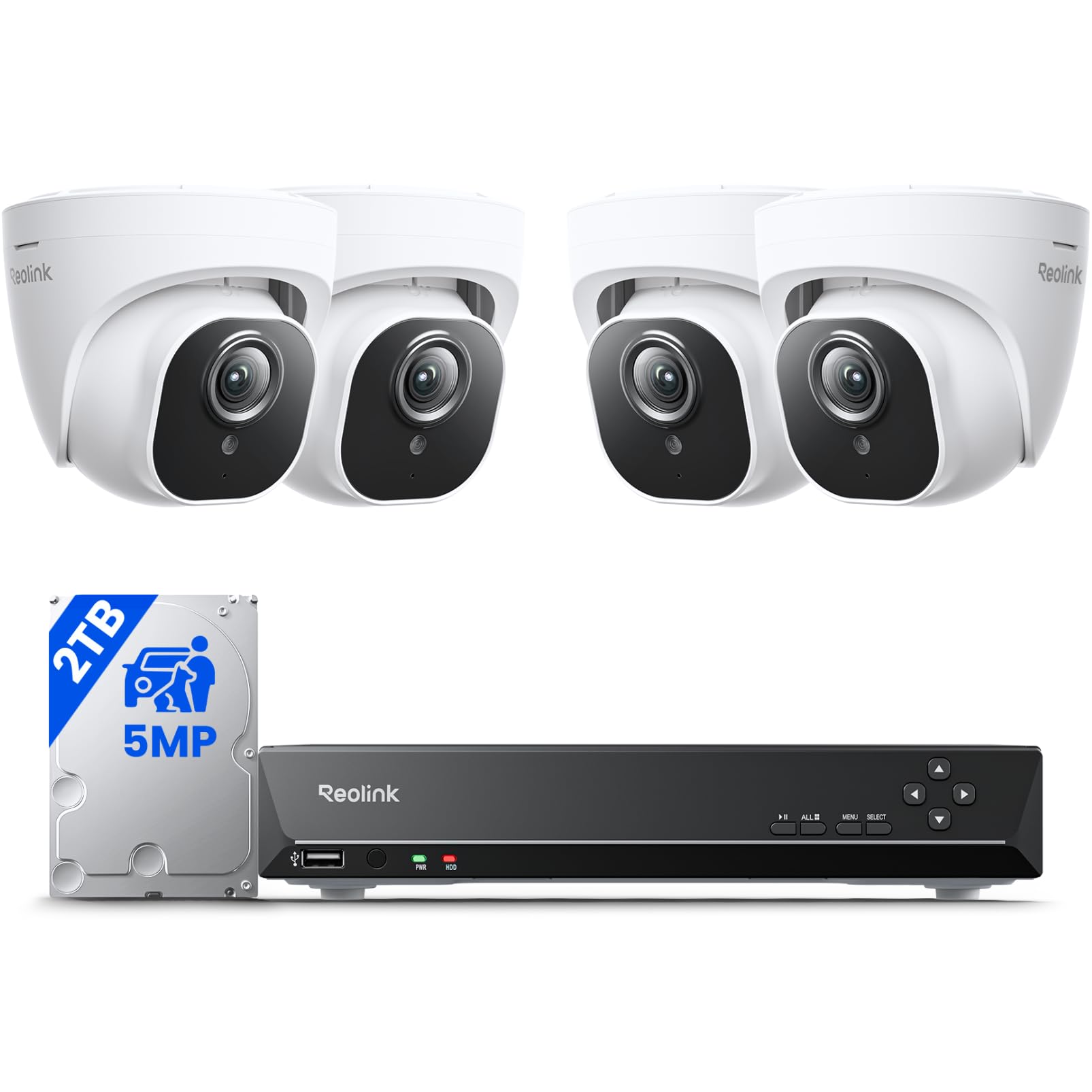
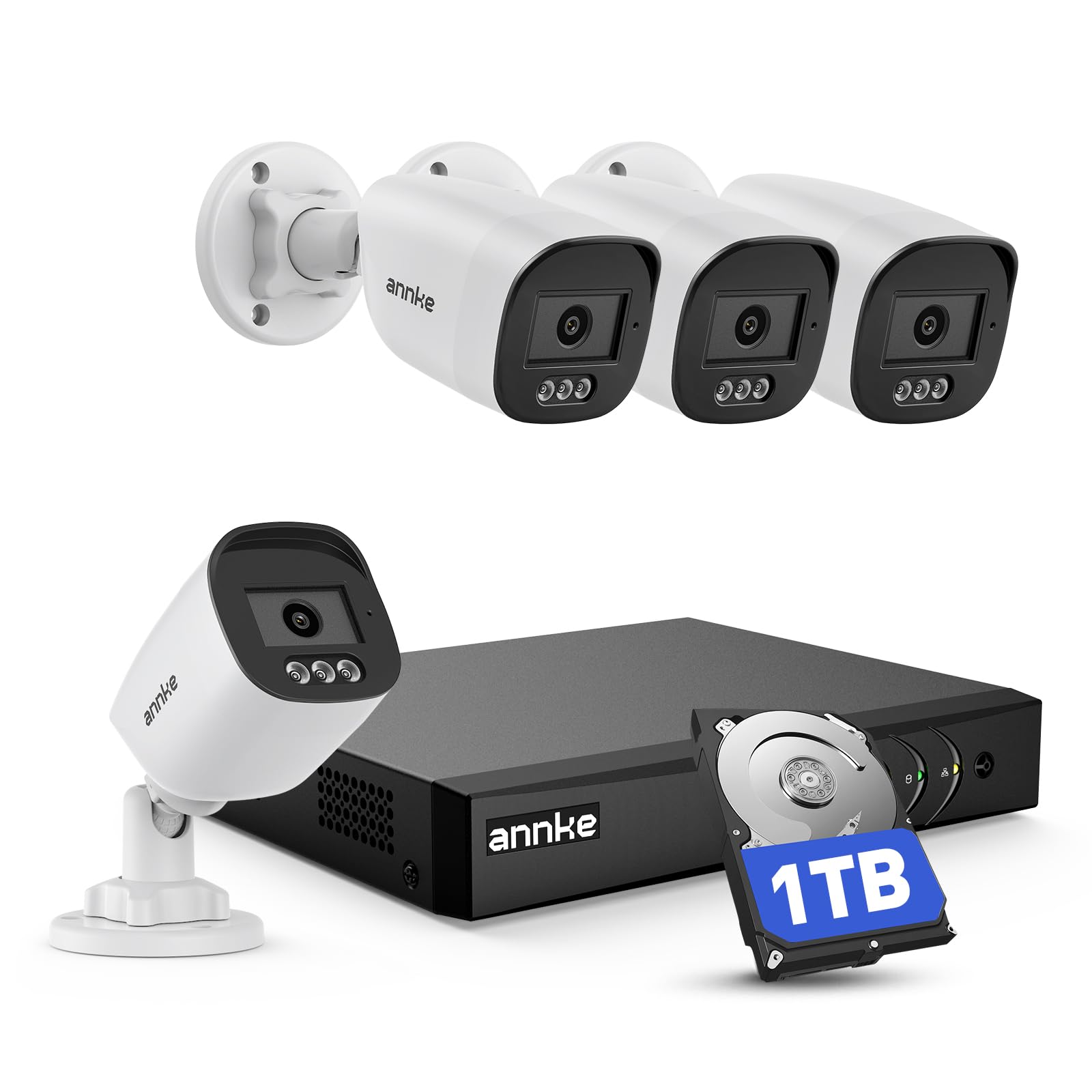
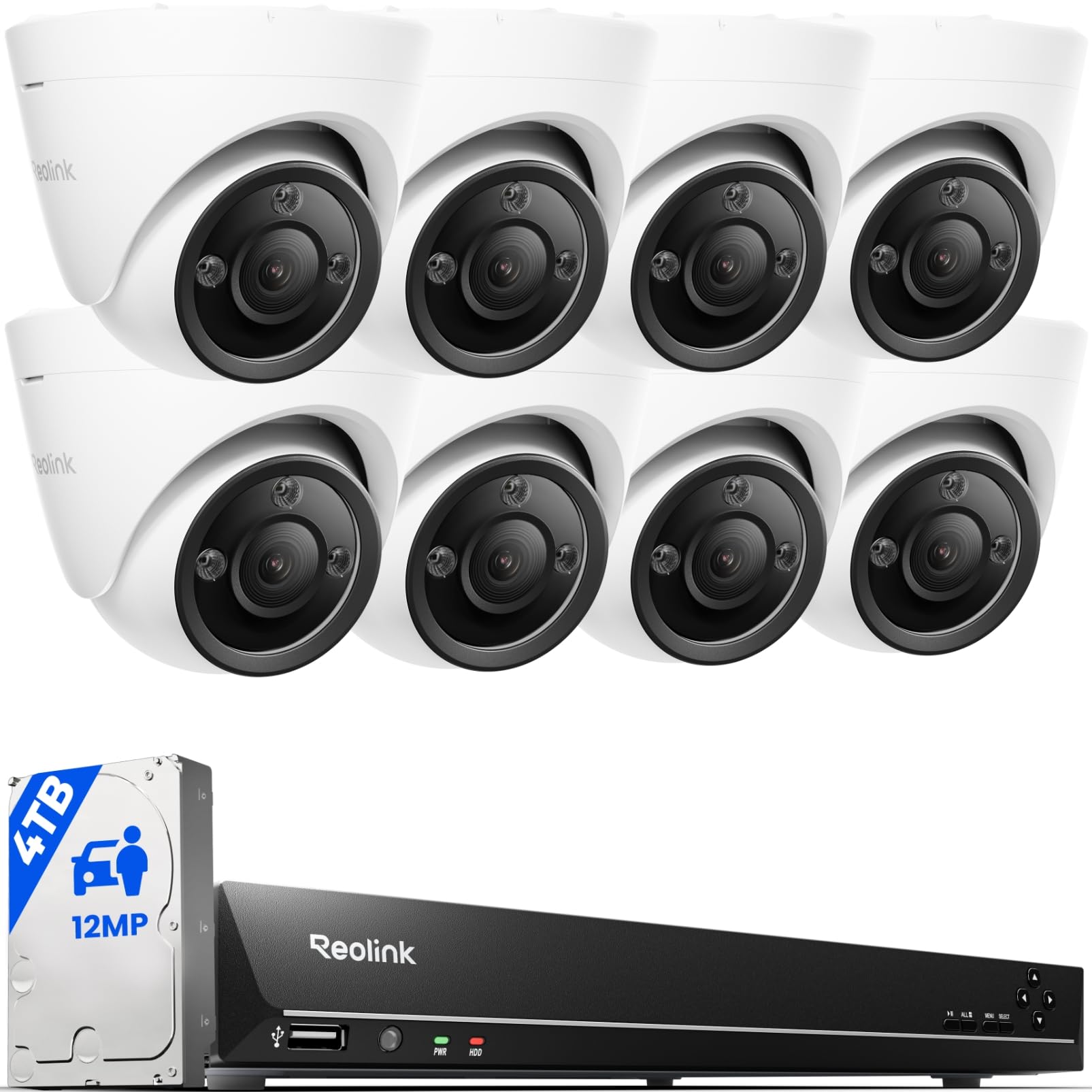
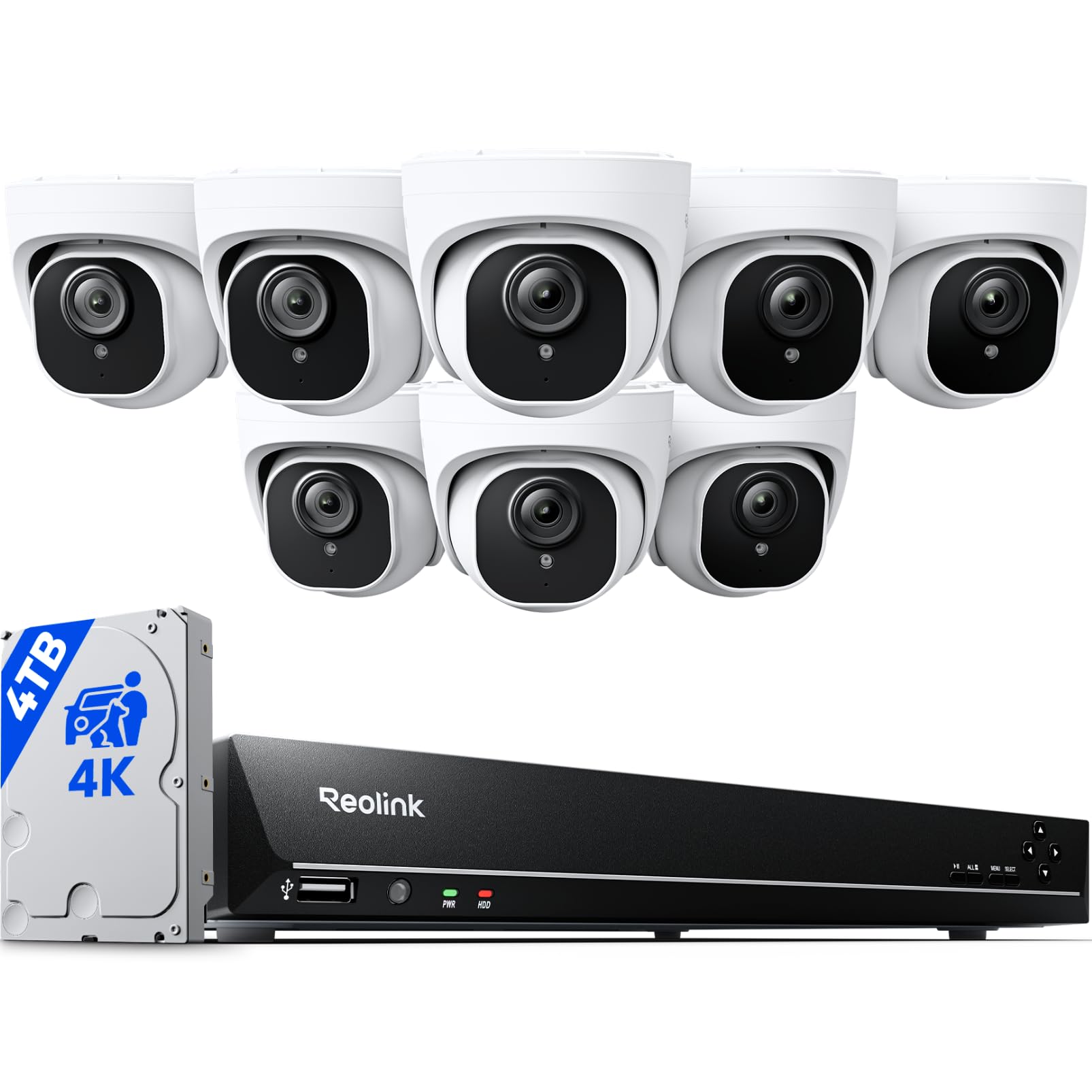
A kit is a recorder, a drive and a set of cameras sold together with the cable and sometimes the connectors. It is cheaper than buying the parts separately and it is the right answer for most first installations, because the components are known to work together. Building one makes sense when you already have a recorder, or when the site has unusual distances, lighting or mounting surfaces.
The trade off is flexibility. A four camera kit with 2K cameras is a fixed decision, and if the loading bay needs a camera at 25 metres you will be buying a fifth camera with a different lens rather than reusing one from the box.
Channels, cameras and the recorder
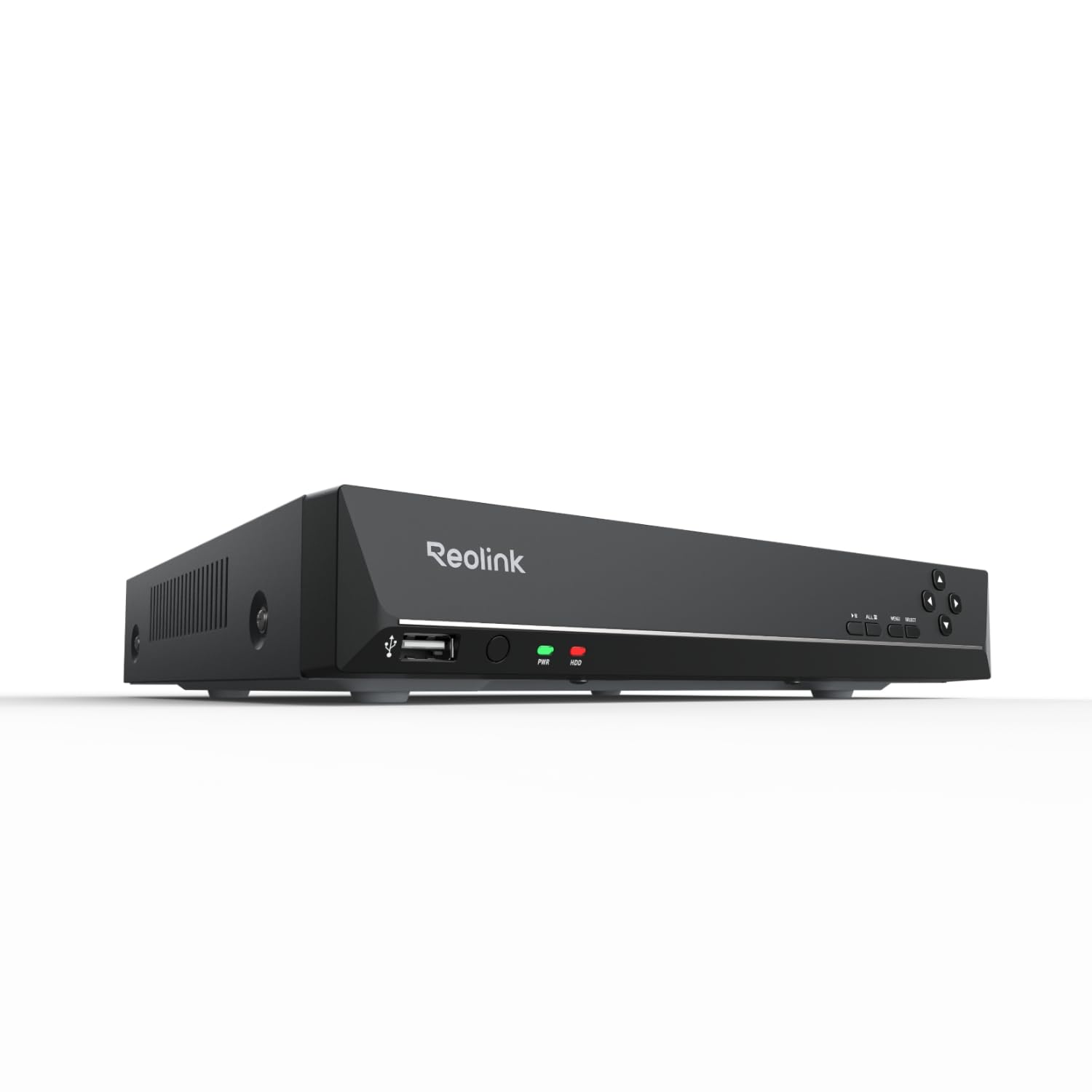
The channel count on the recorder is the ceiling on how many cameras the system can ever take. An 8 channel NVR with 4 cameras included leaves room to grow, while a 4 channel unit with 4 cameras is finished on day one. For a warehouse or a shop with a rear entrance, that spare capacity is worth paying for at the start.
NVR and DVR are often used interchangeably by sellers and they are not the same thing. An NVR records IP cameras over the network, which is what PoE kits use. A DVR records analogue cameras over coax, which is still common in retrofit work and cheaper over long cable runs. Match the recorder to the camera type, not to the price.
The storage maths nobody does
Retention is bitrate times channels times hours. A 4K camera at 8 Mbps running 24 hours produces about 86 GB a day. Four of them fill a 1 TB drive in roughly three days. That is why kits ship with motion recording, lower sub streams and a 2 TB drive, and why the drive size matters more than the camera count when someone asks how far back the footage goes.
Useful rules of thumb: a 4 camera 2K kit with motion recording needs 1 to 2 TB for three to four weeks. Eight channels at 4K needs 4 TB or more. Surveillance rated drives are built for continuous writing; desktop drives fail early under that workload, which is covered in storage and accessories.
PoE, wireless and the installation reality
PoE means one cable per camera carrying both power and data back to the recorder or a switch. It is the most reliable arrangement and the least flexible after installation, because the cable is now part of the building. Wireless kits avoid the cable and introduce a different set of problems: interference, cameras that drop off when the router reboots, and batteries that need reaching on a ladder.
If the building has a false ceiling or trunking, PoE is usually the cheaper long term choice even with the cable work. If it is a rented unit with no permission to drill, wireless cameras with local recording are the pragmatic option.
Camera types in a kit
Bullet cameras are long and visible, which is a deterrent, and they cope with weather well. Dome cameras are harder to see the direction of and suit indoor ceilings and shop floors. Turret or eyeball cameras sit between the two and handle infrared reflections better than domes because the lens is not behind a curved cover.
Check the lens angle per camera too. A 2.8 mm lens gives a wide view and less detail at distance. A 4 mm or 6 mm lens narrows the view and reads plates or faces further away. A kit with all wide lenses is a kit that sees everything and identifies nothing.
What to check before ordering
Whether the drive is included or sold separately, whether the cameras are PoE or need a power adapter each, whether the recorder supports remote viewing without a subscription, and whether the cable length in the box matches the building. The last one is the most common surprise: 18 metre cables in a warehouse that needs 40.
For single cameras and door coverage, the security camera category covers models that work on their own, and a doorbell camera covers the entrance that every visitor uses.