
Collection
Dash cams
A dash cam is judged by the clip it produces at night on a moving road. Sensor size and lens aperture beat resolution claims, and a capacitor survives a hot parked car better than a battery.


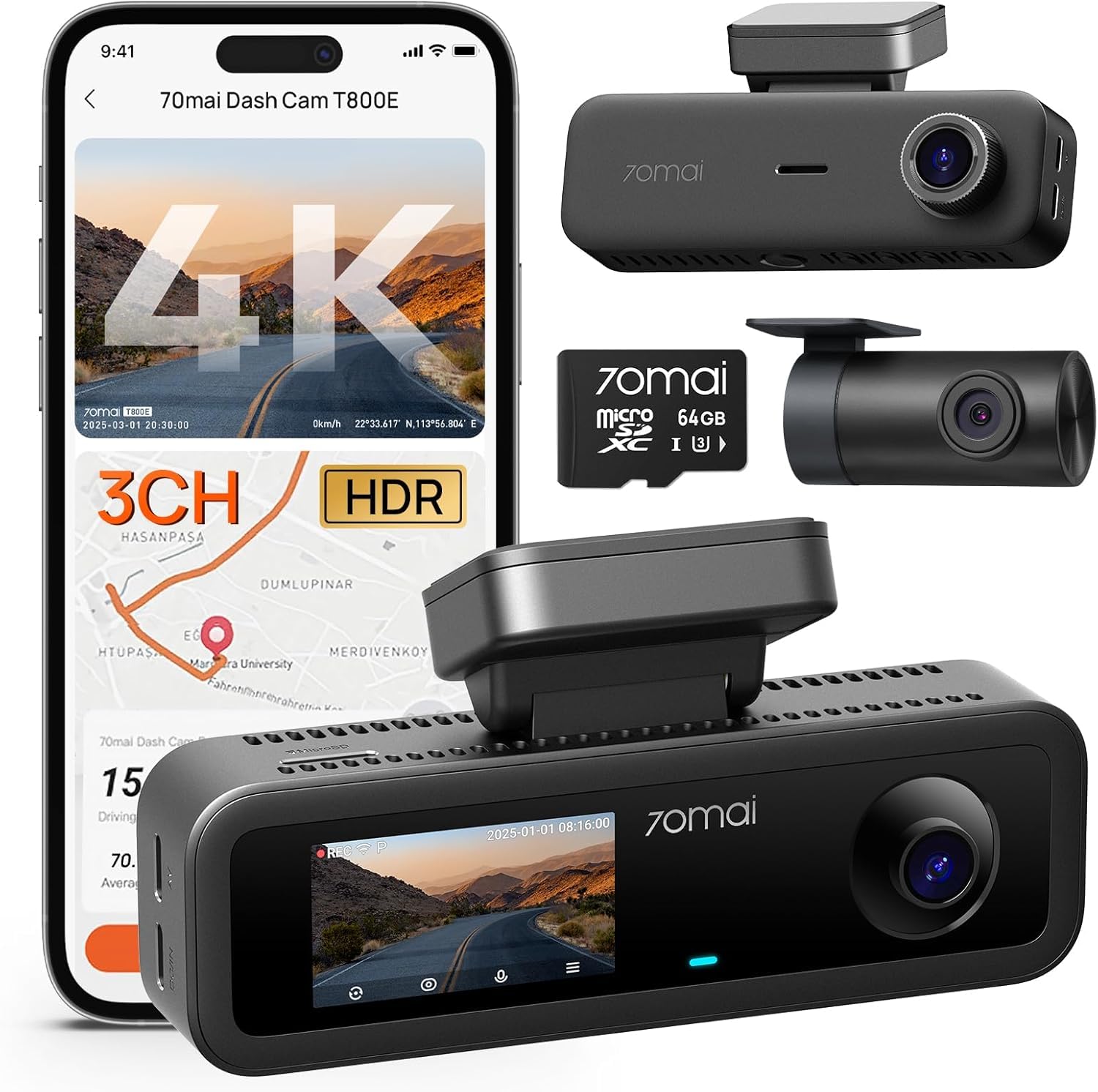
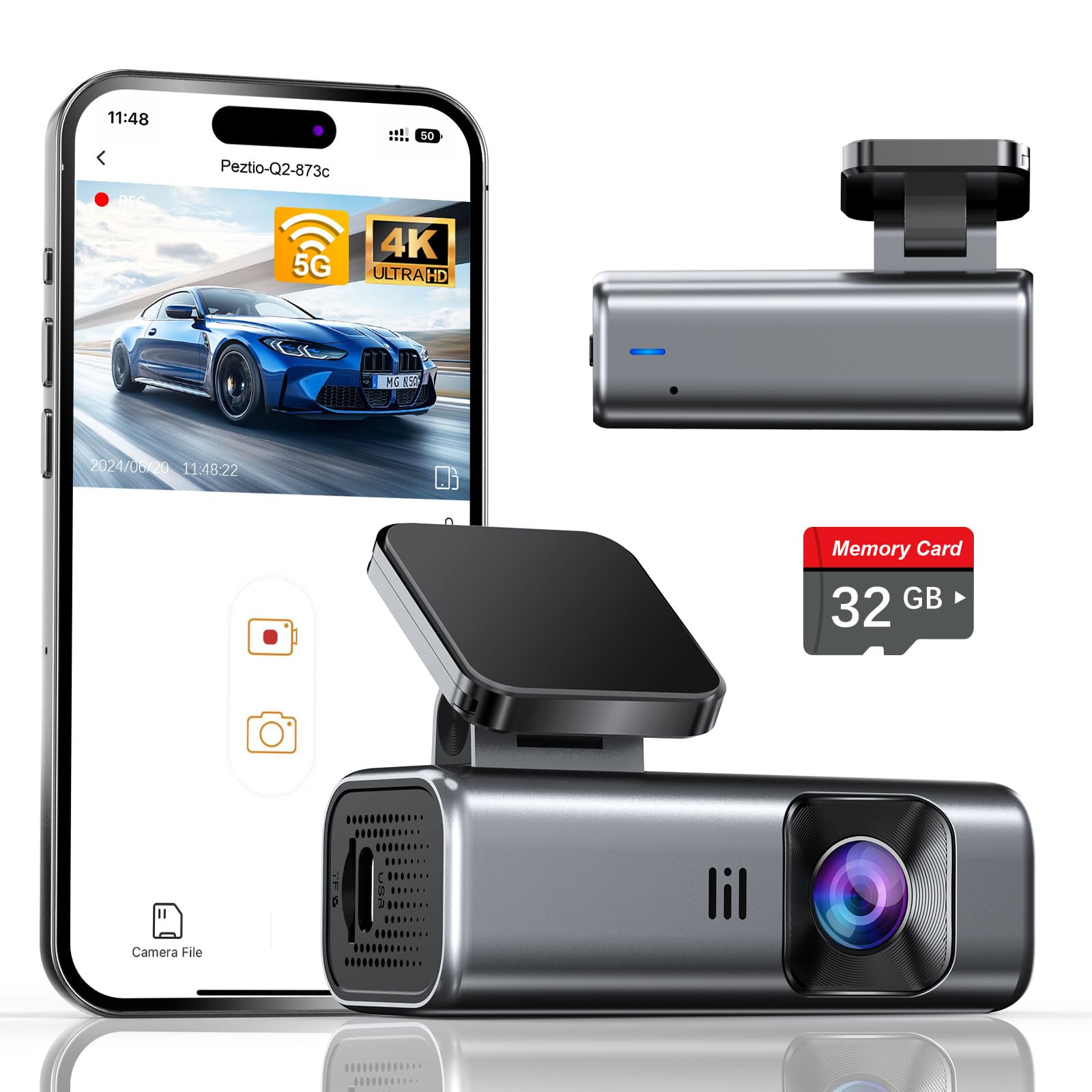
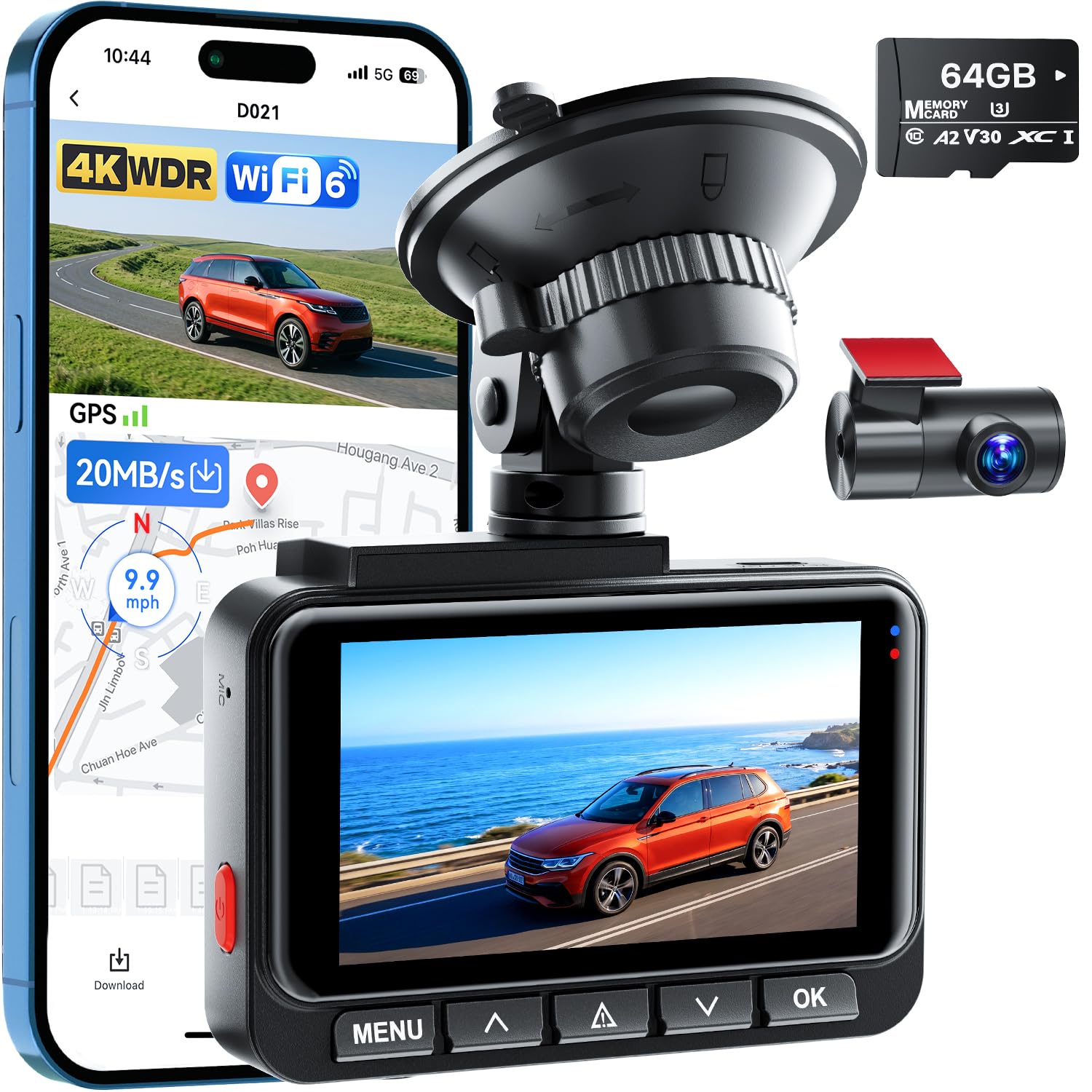


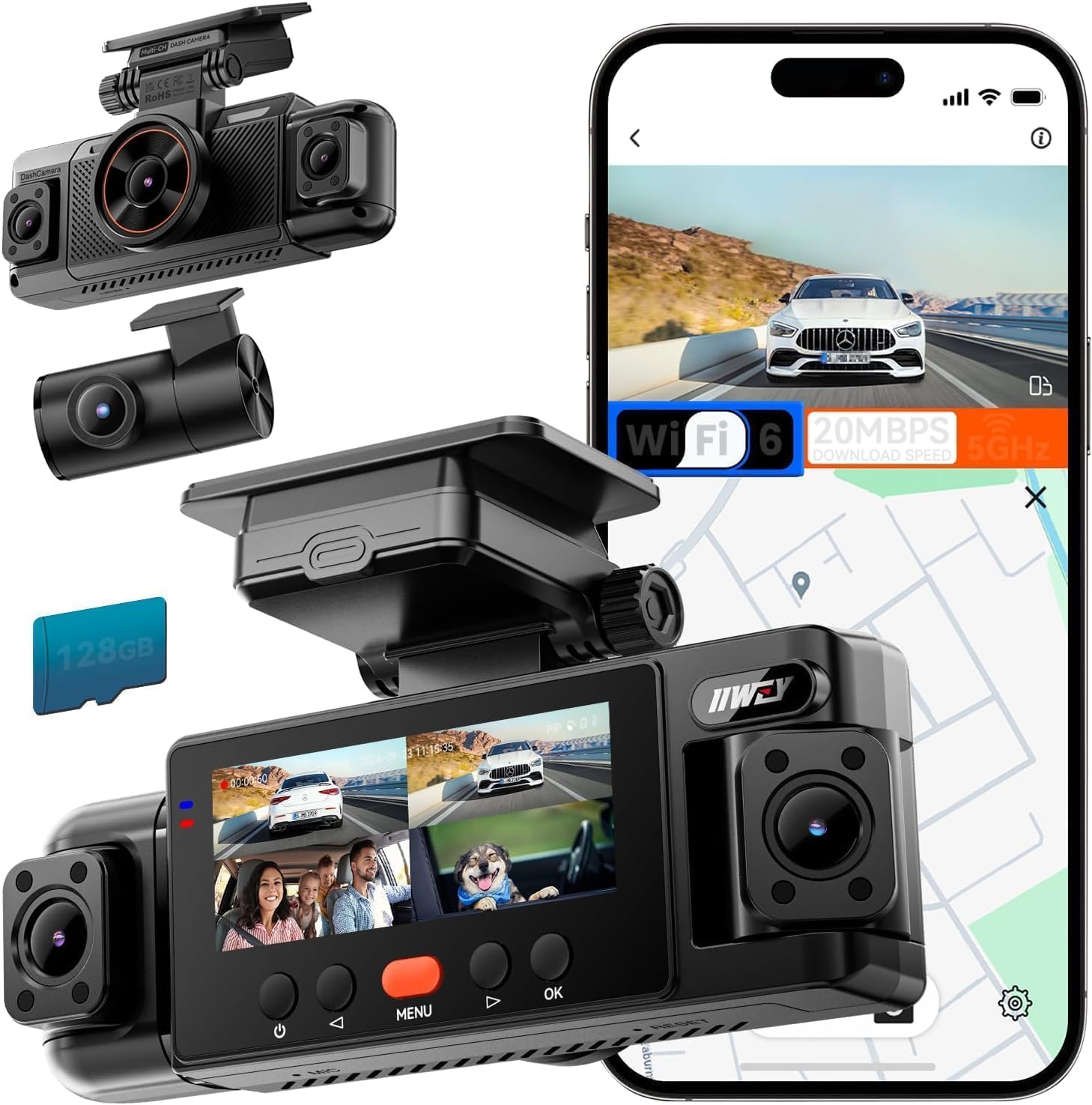





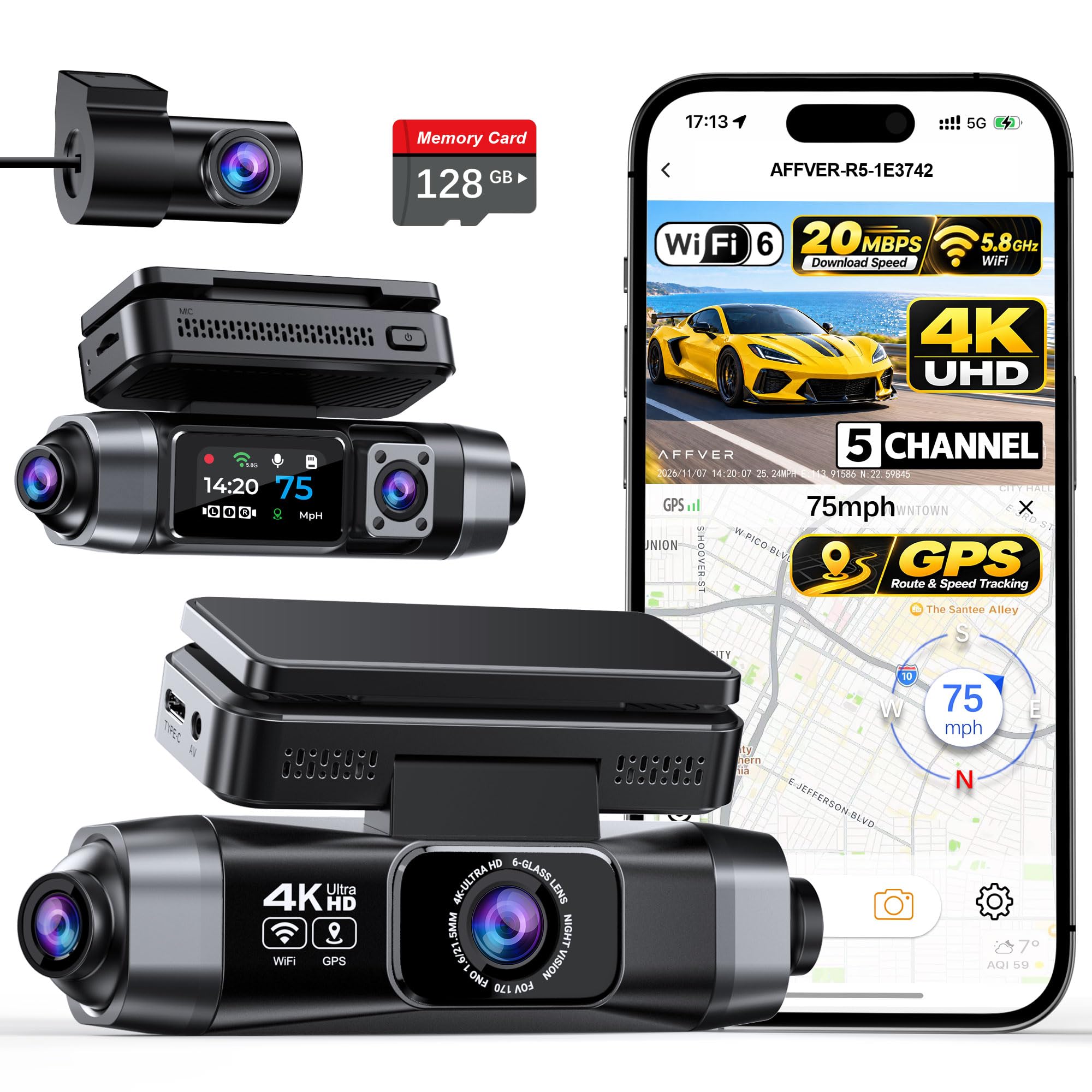
What a dash cam is for
A dash cam records the road ahead while the vehicle moves, usually in a loop, so the newest footage overwrites the oldest. The point is not surveillance. It is a record of what happened in the ten seconds before something did, at a moment when everyone involved remembers it differently.
Insurance disputes, parking damage, a cyclist who swerved, a load that fell off the van in front. Each is a five second clip, and the whole purchase is justified by one of them.
Resolution against sensor and lens
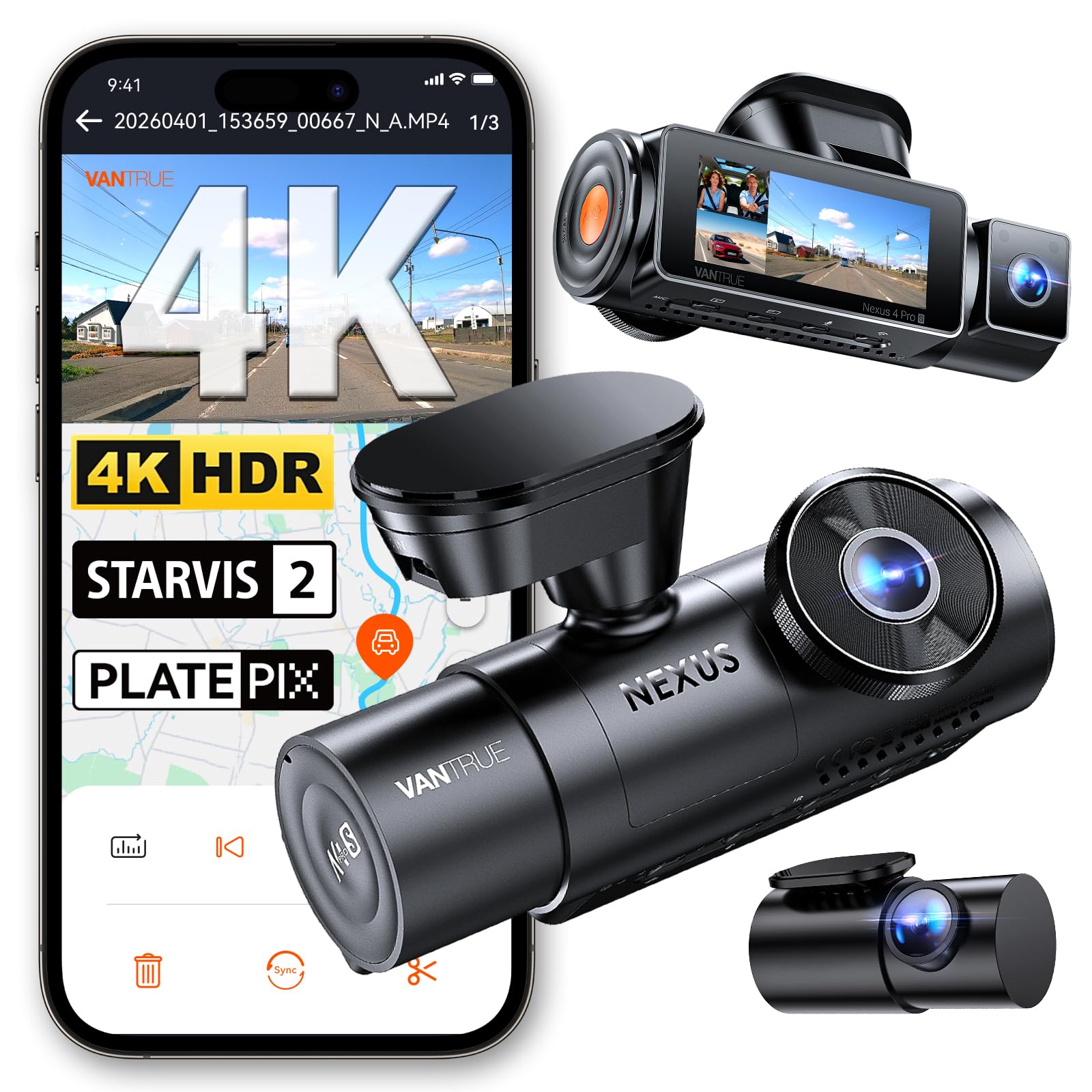
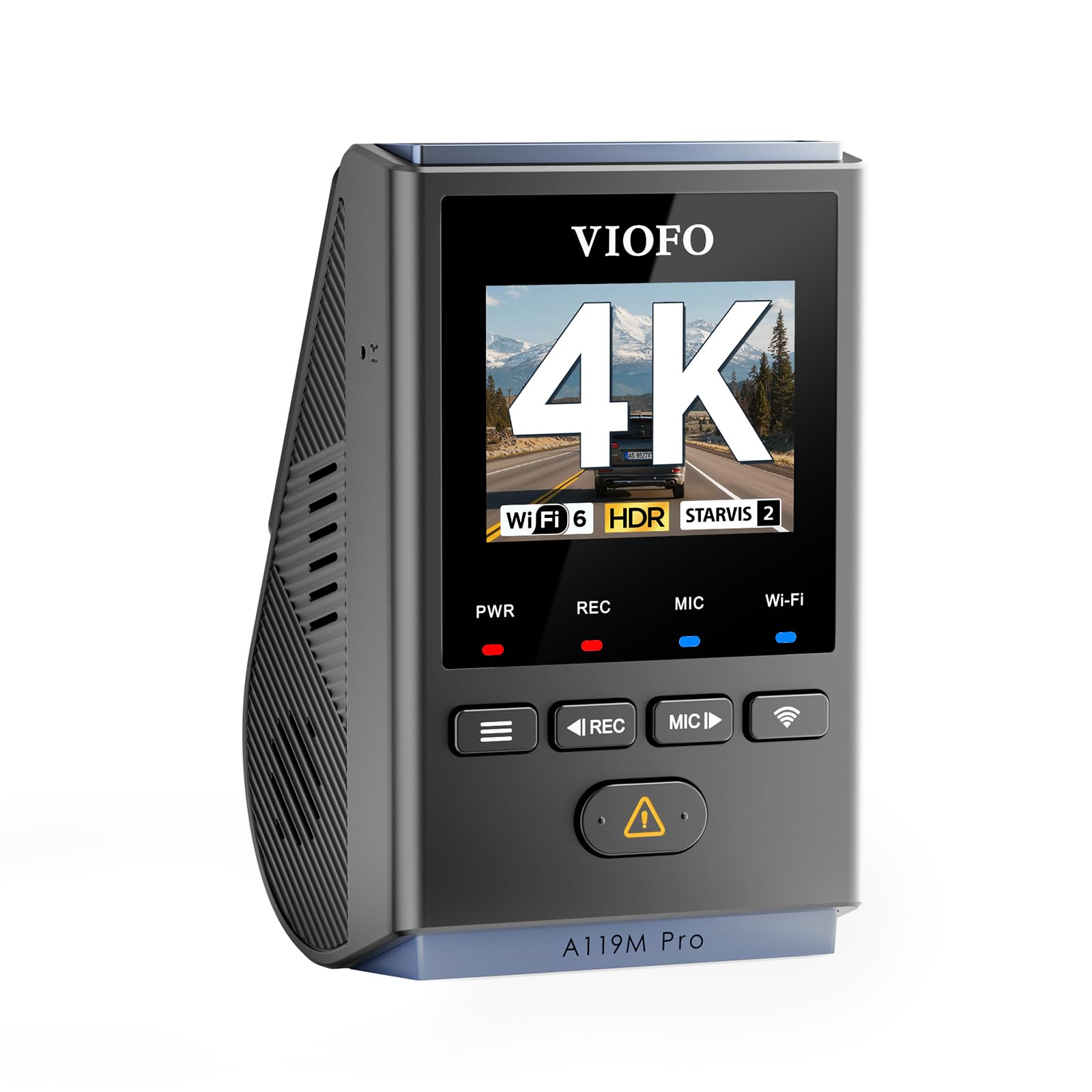
4K sells cameras and plate readability sells evidence. A 1080p camera with a good sensor and an f/1.8 lens often reads a plate at 8 metres better than a 4K unit with a small sensor and a narrow aperture, because resolution without light per pixel is noise. Check the aperture figure if it is given, and treat any camera that only advertises megapixels with mild suspicion.
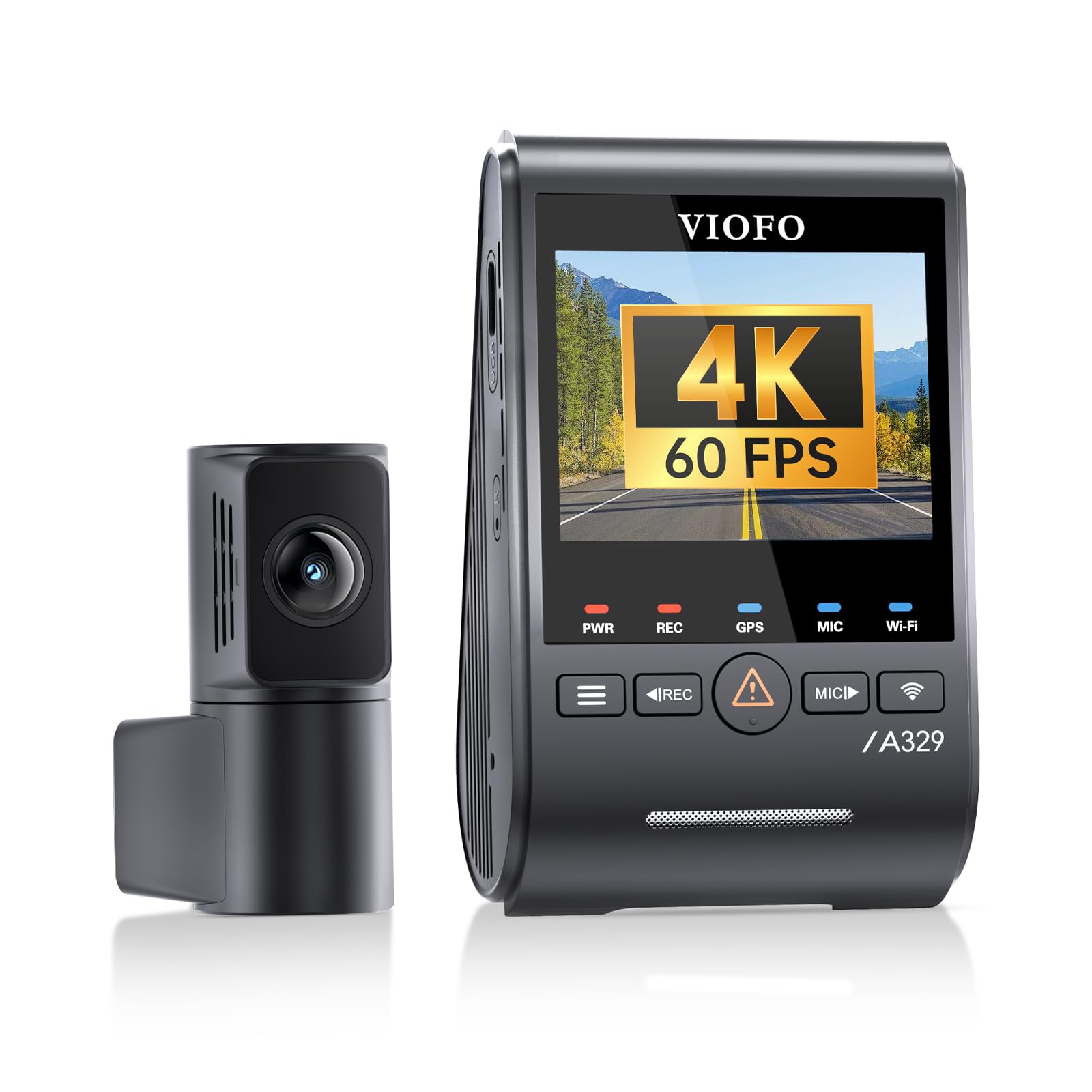
Frame rate matters at speed. 60 frames per second gives a cleaner plate capture on a motorway. 30 frames per second is fine in town and uses half the storage.
Front, rear and cabin
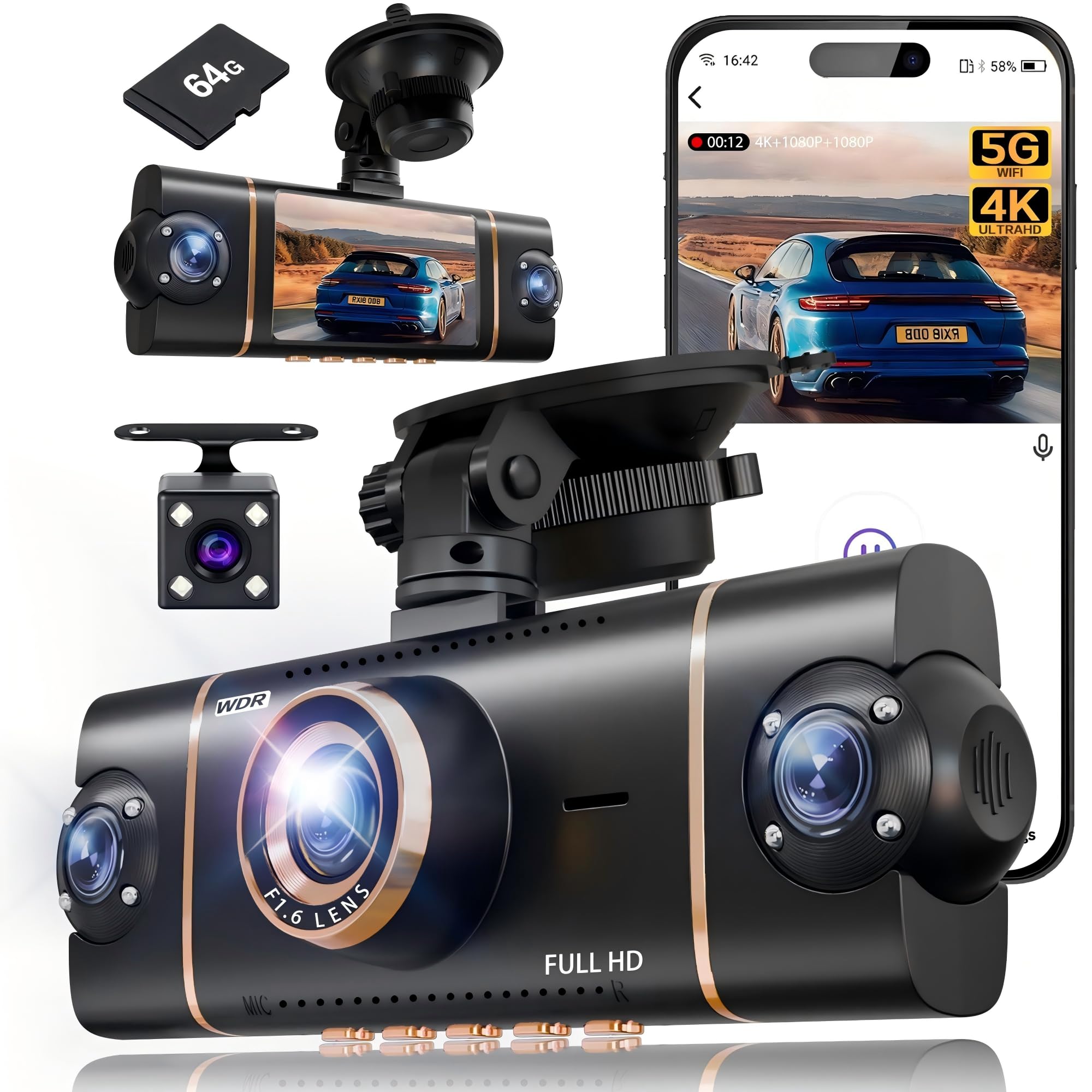
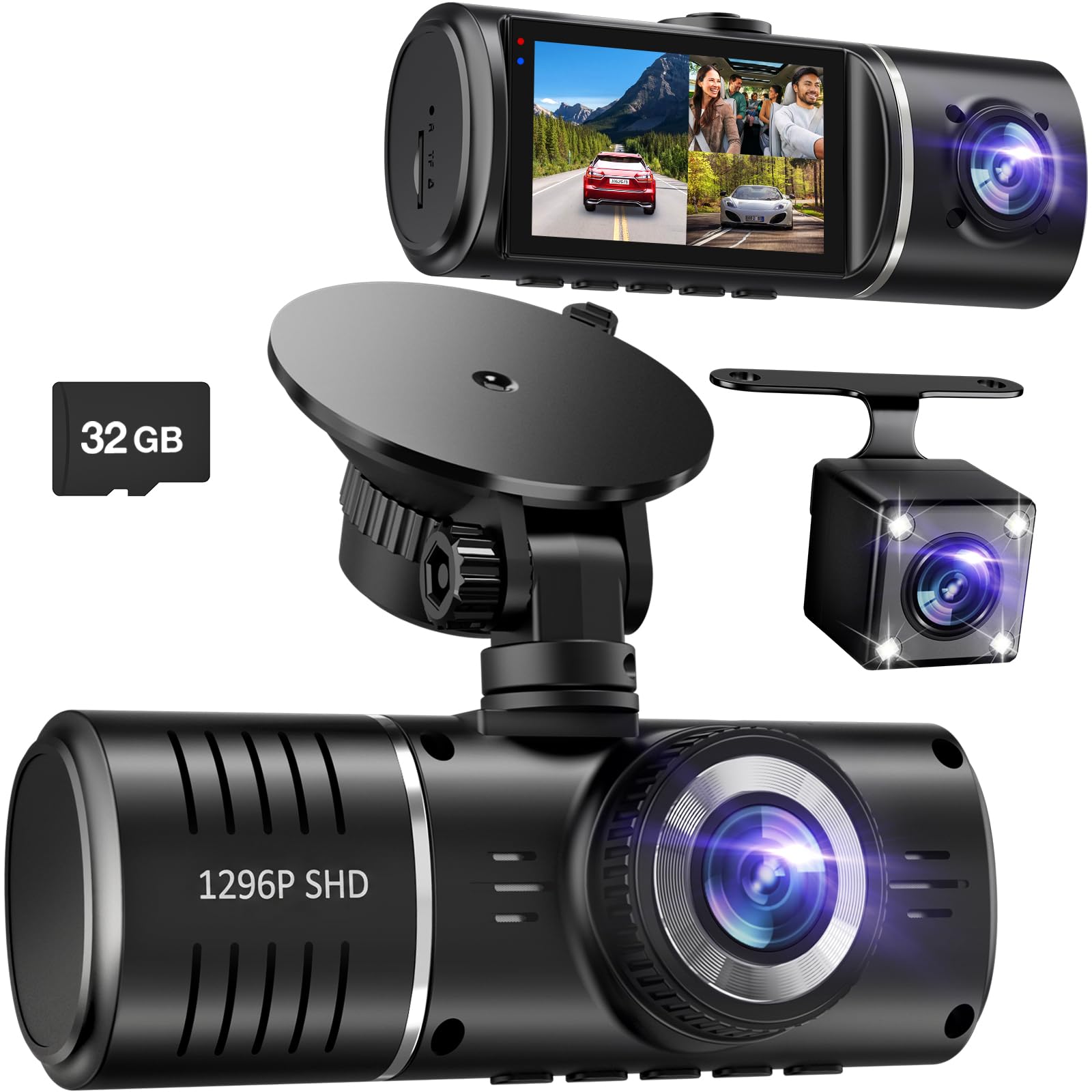
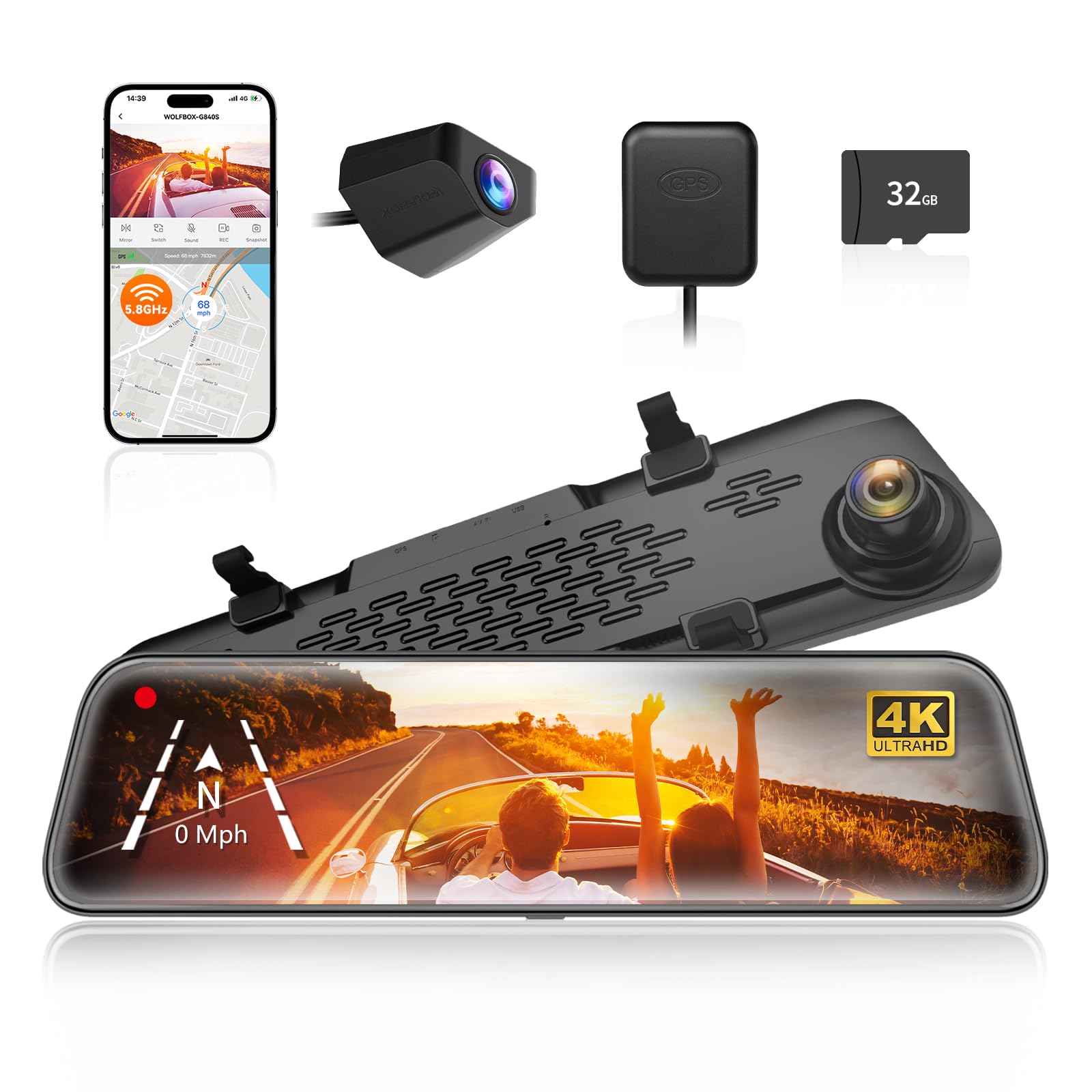
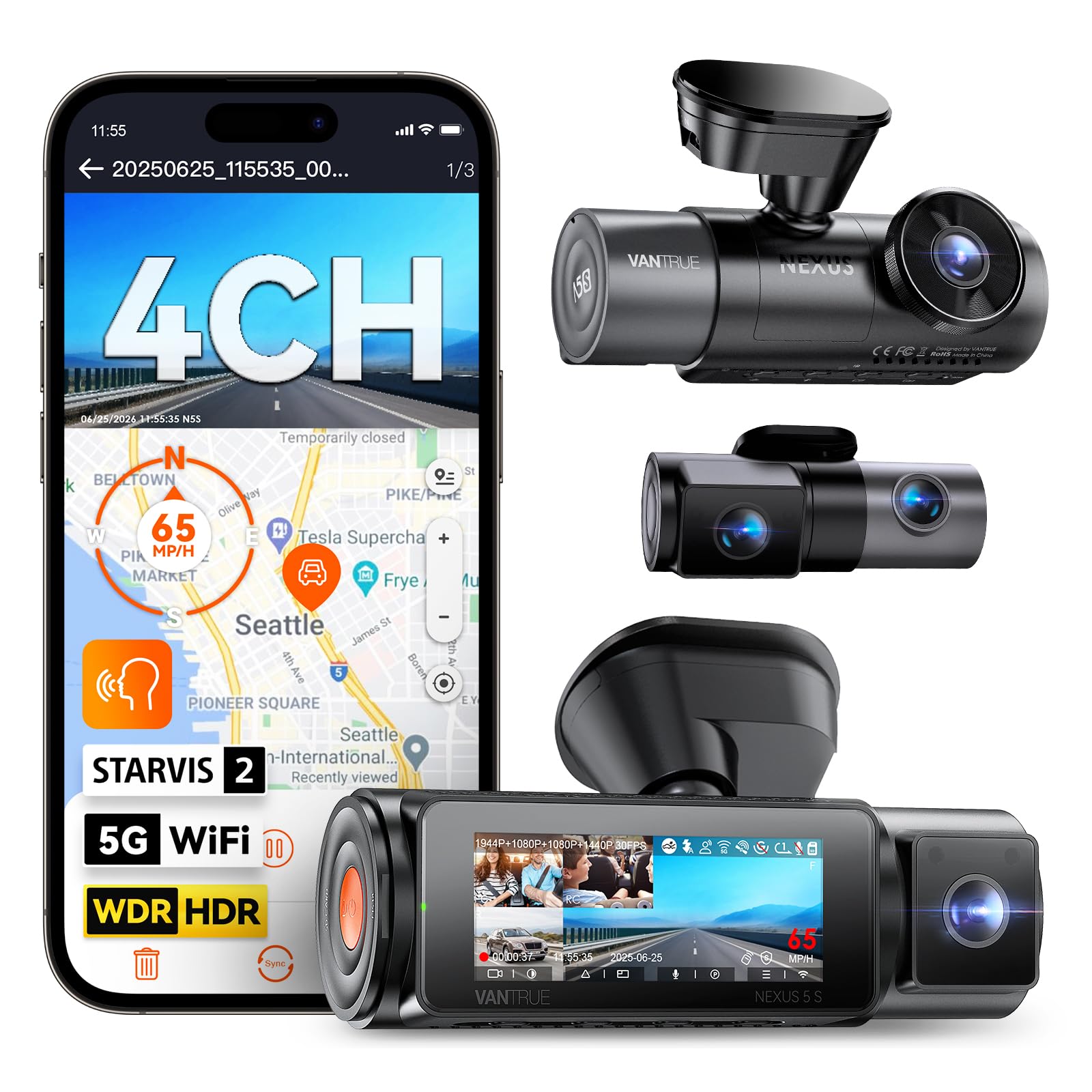
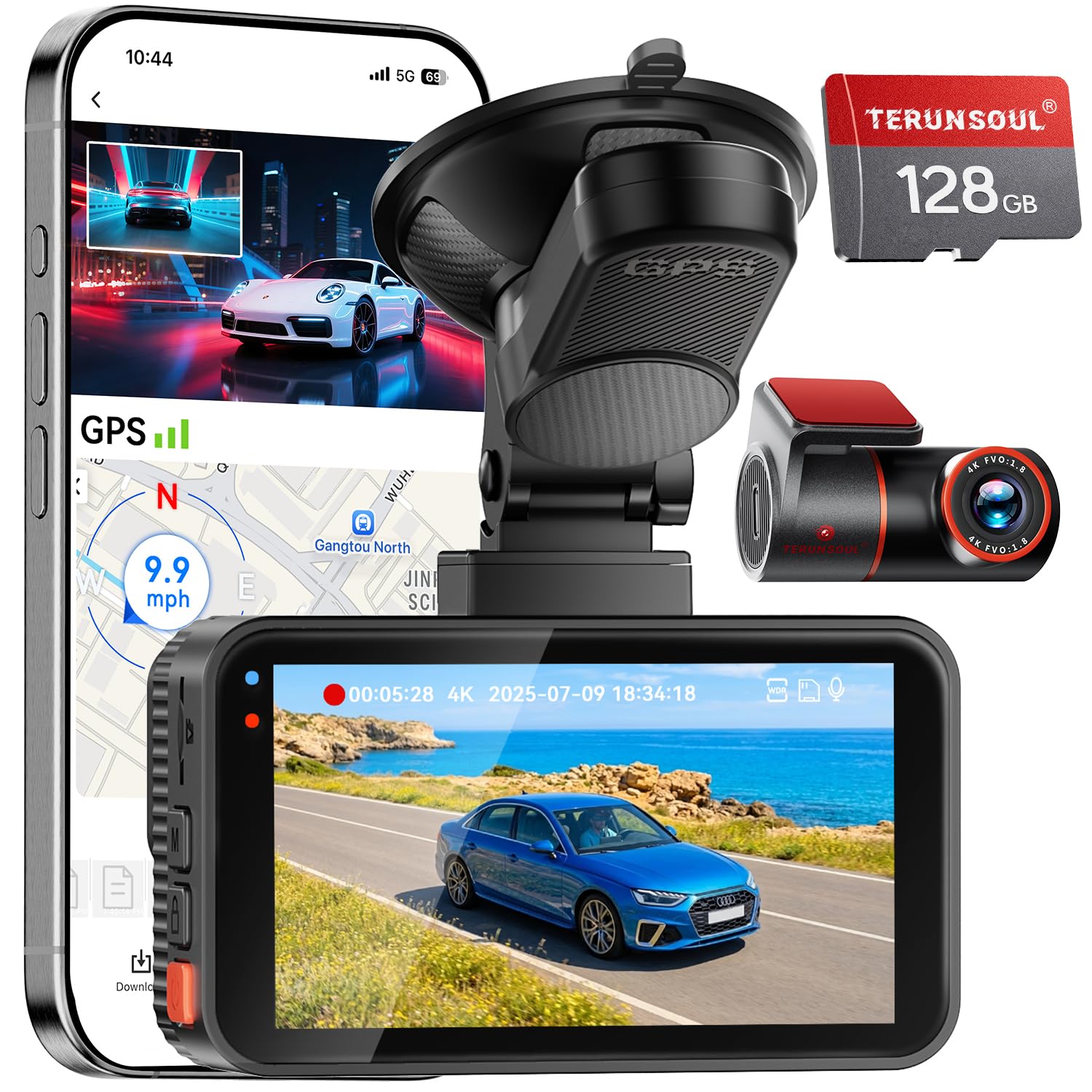
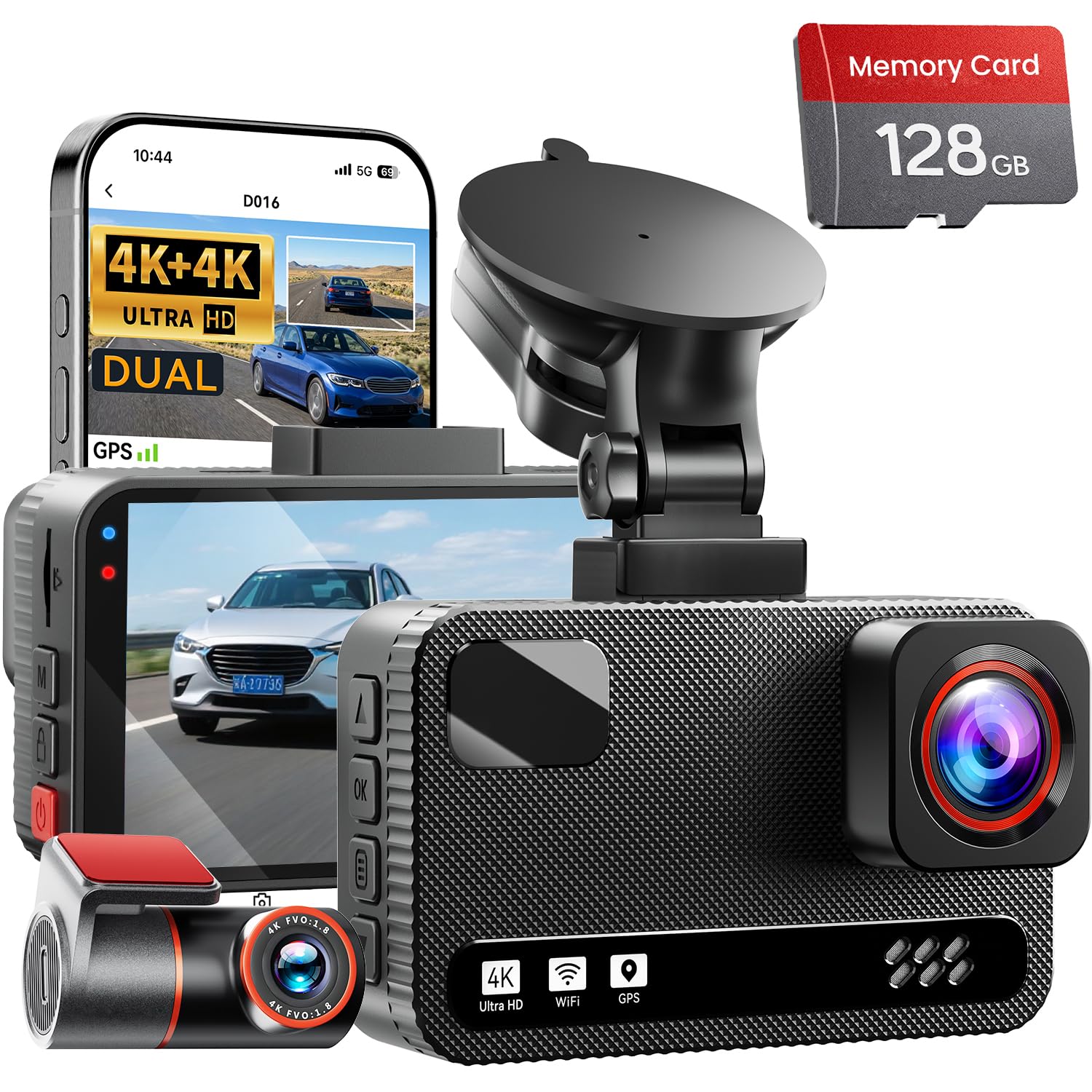
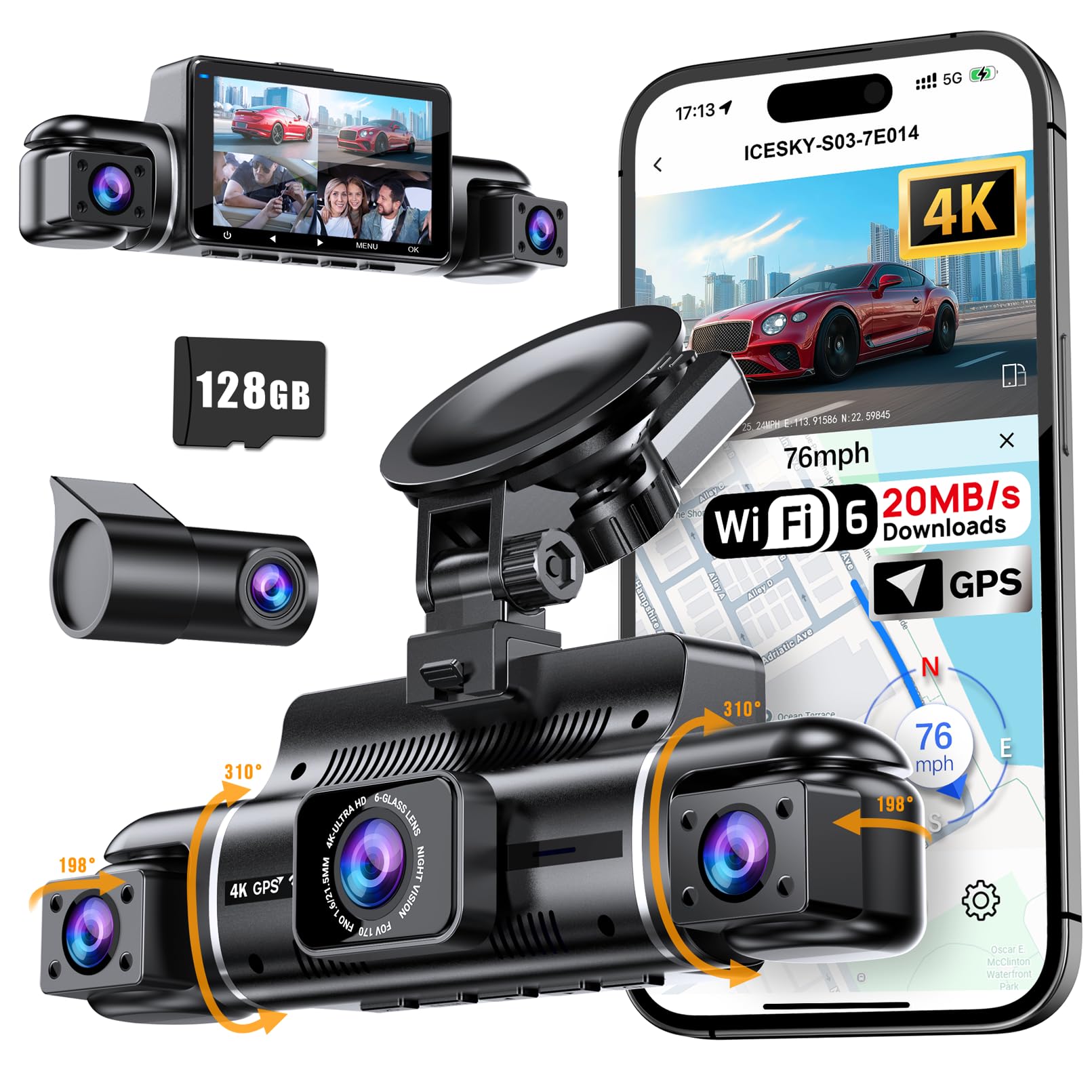
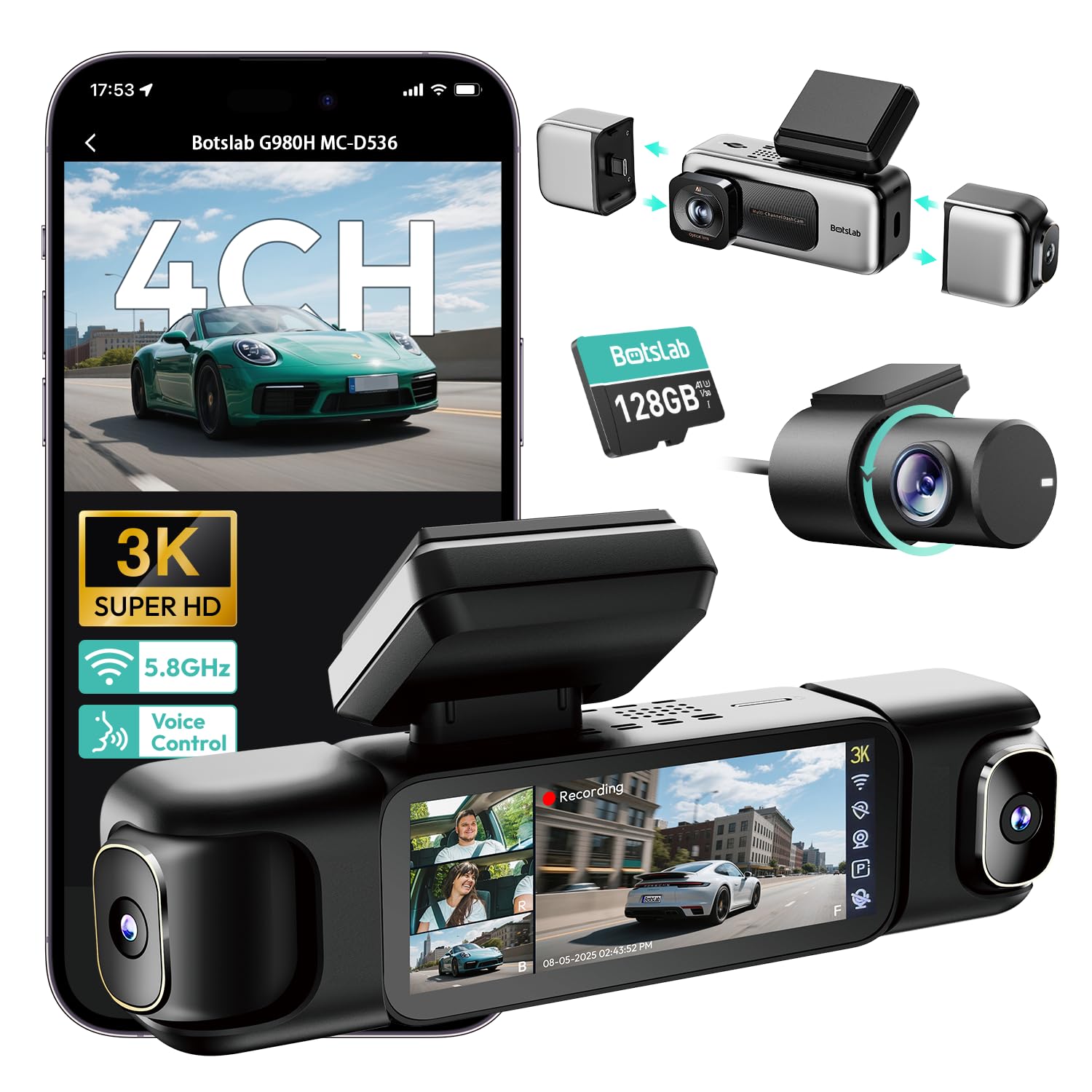
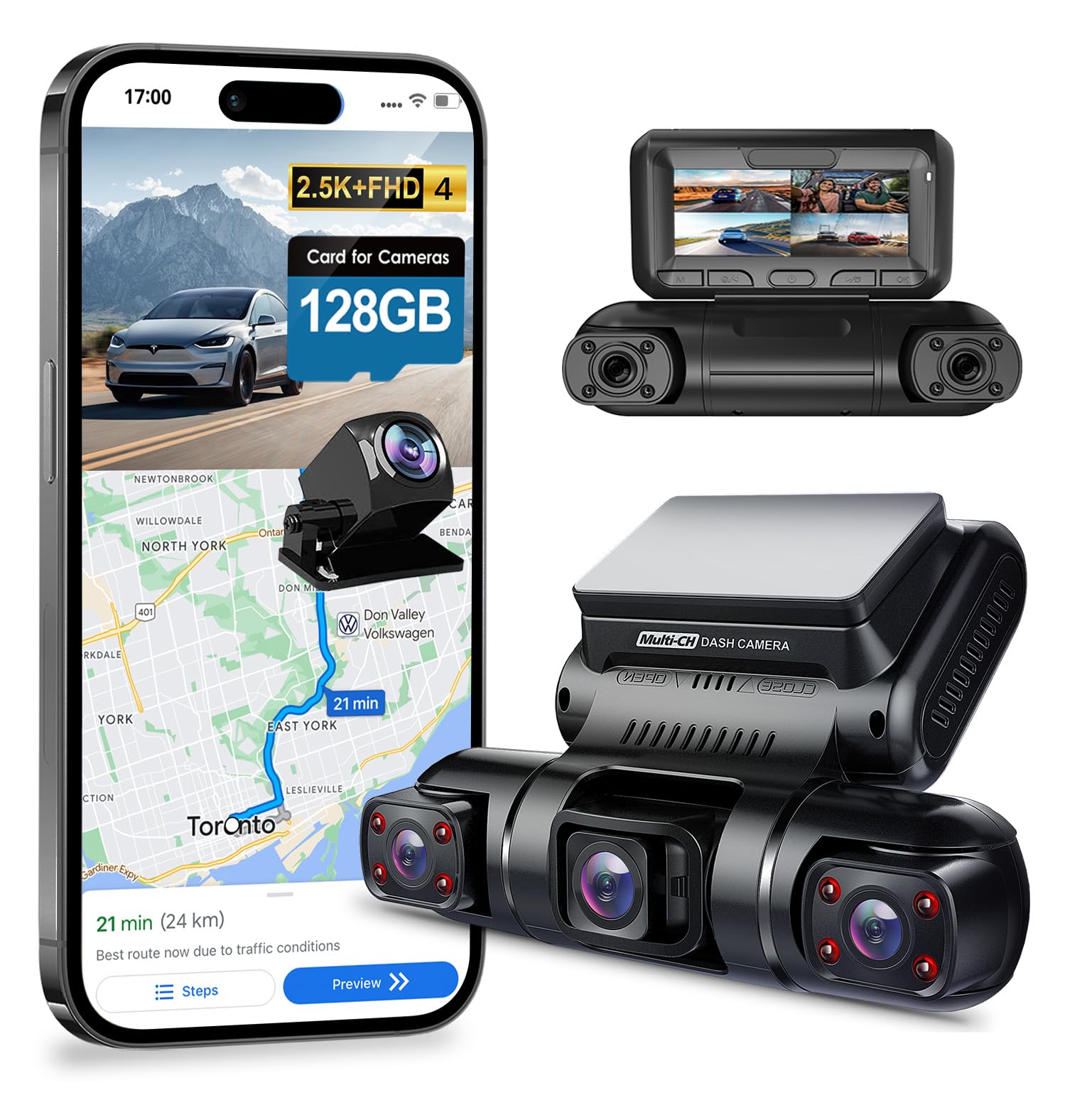
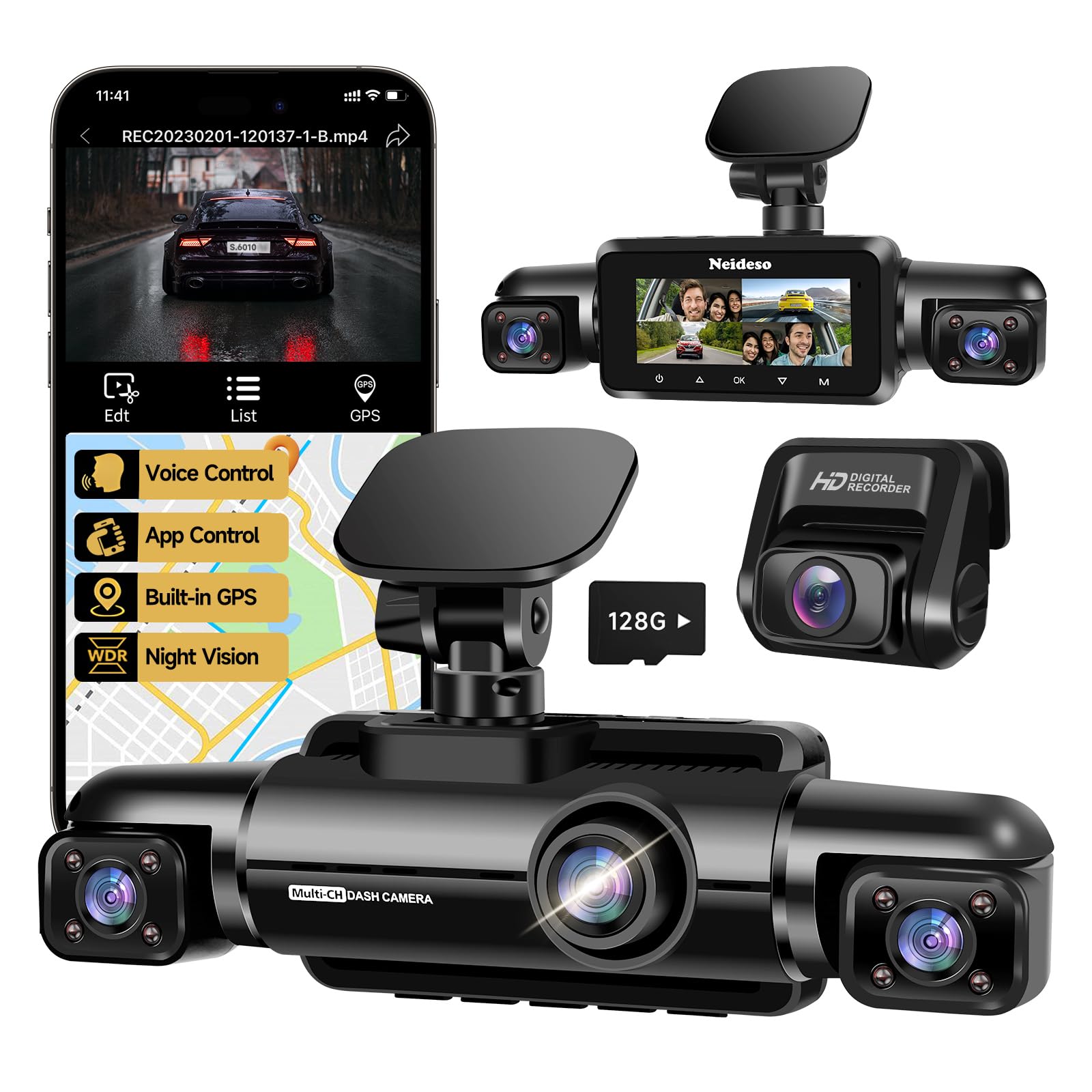
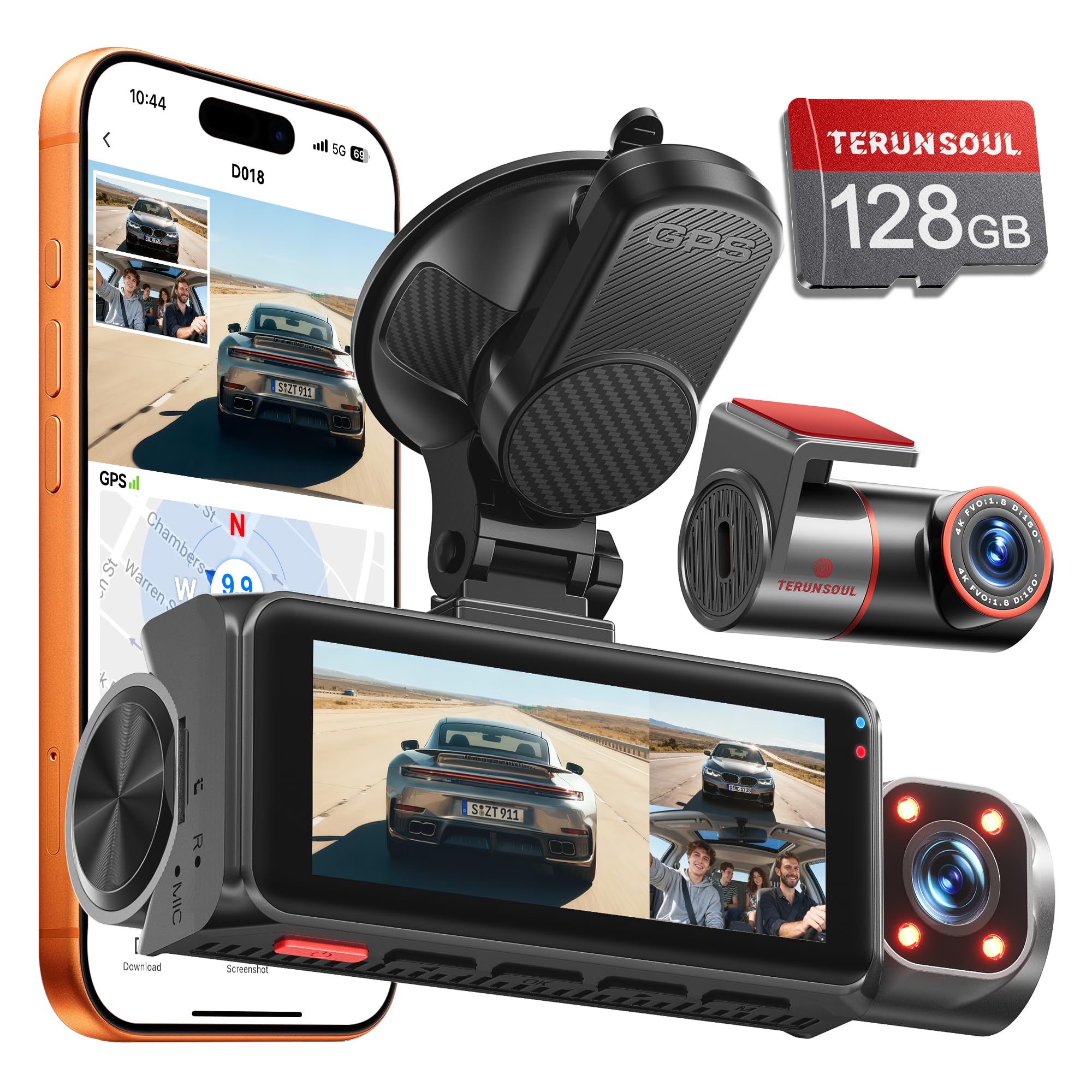
A front only camera covers the most common claim, which is a collision ahead. A front and rear setup covers being hit from behind, which is the second most common. A cabin camera is for taxis, ride share and fleet driving, where the driver's own behaviour is part of the record.
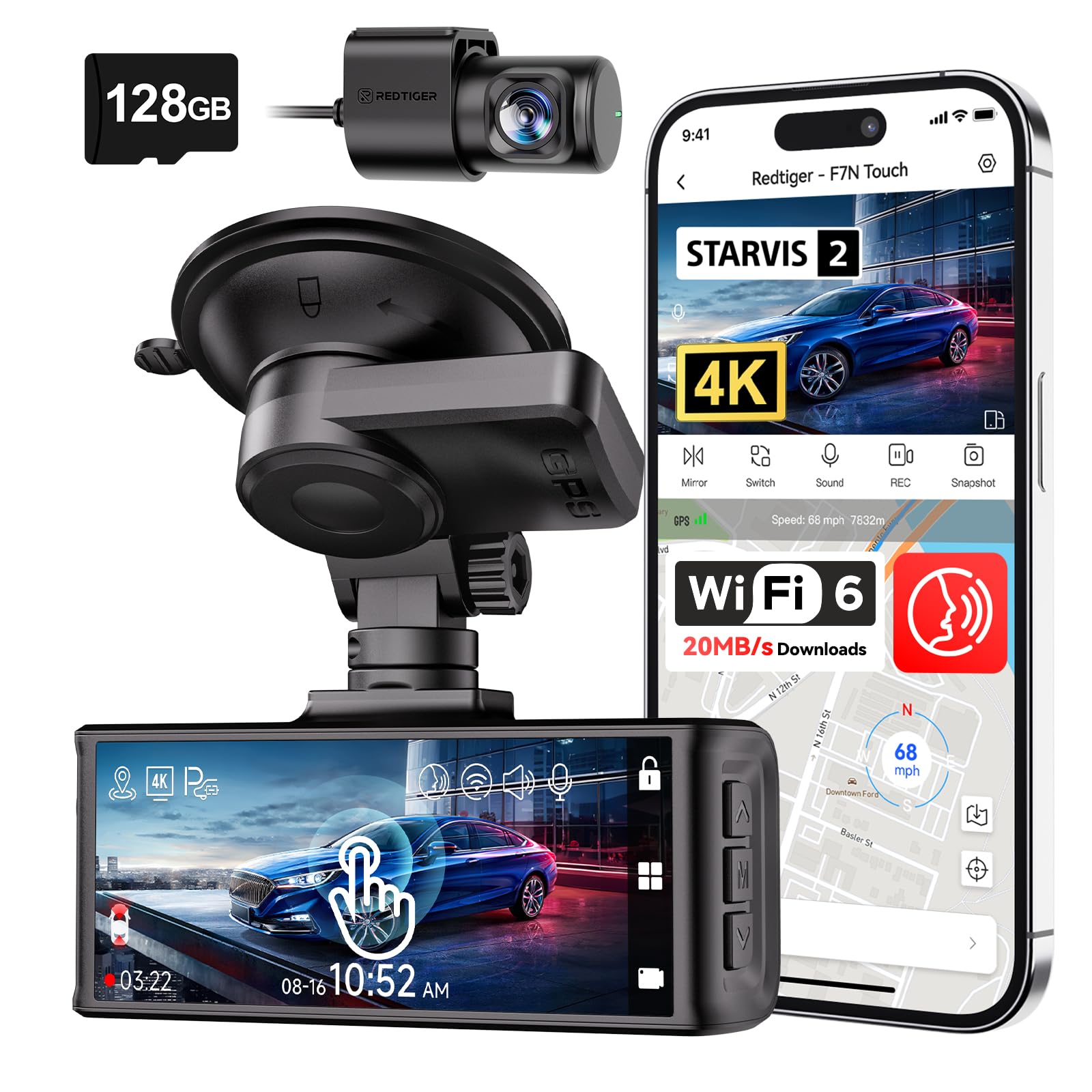
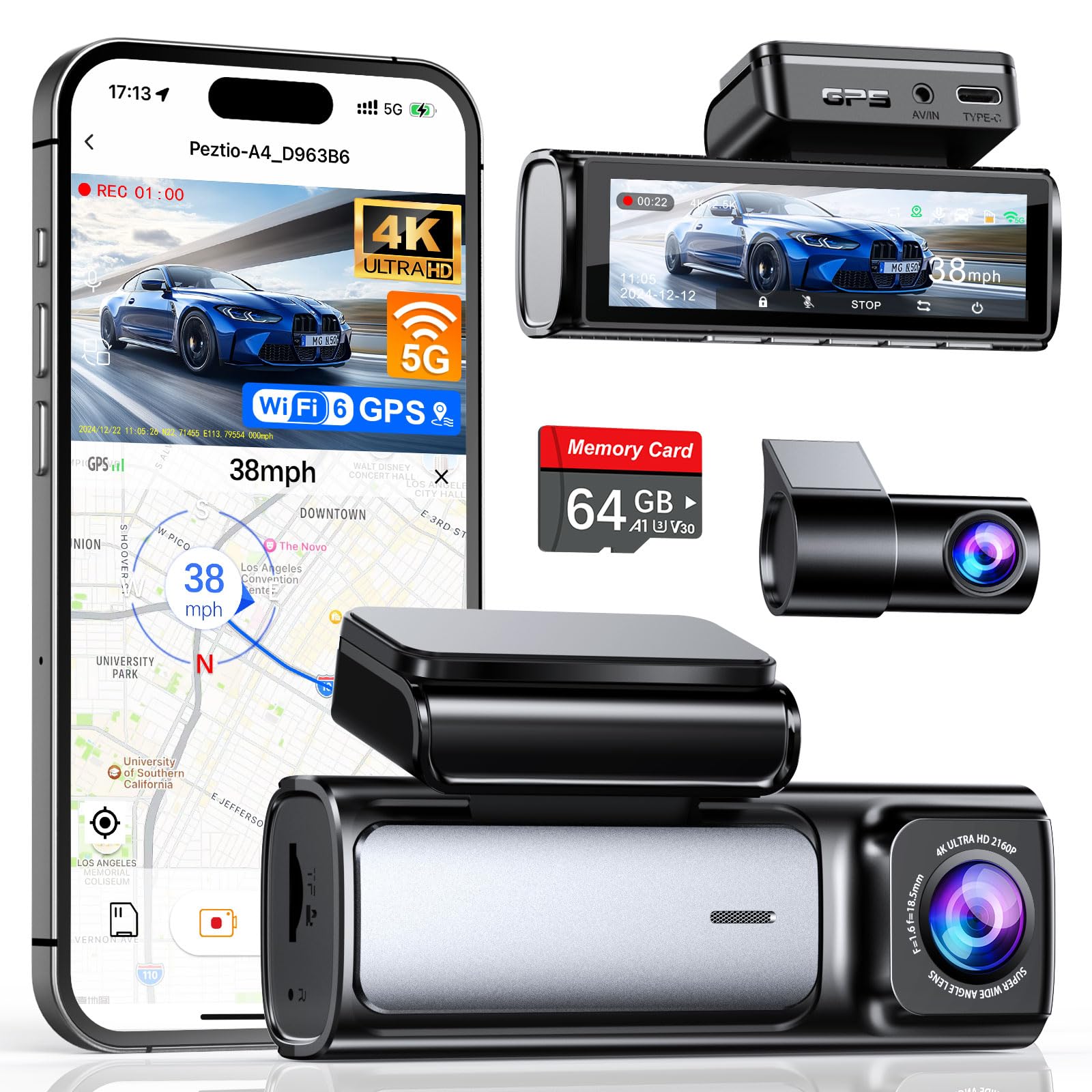
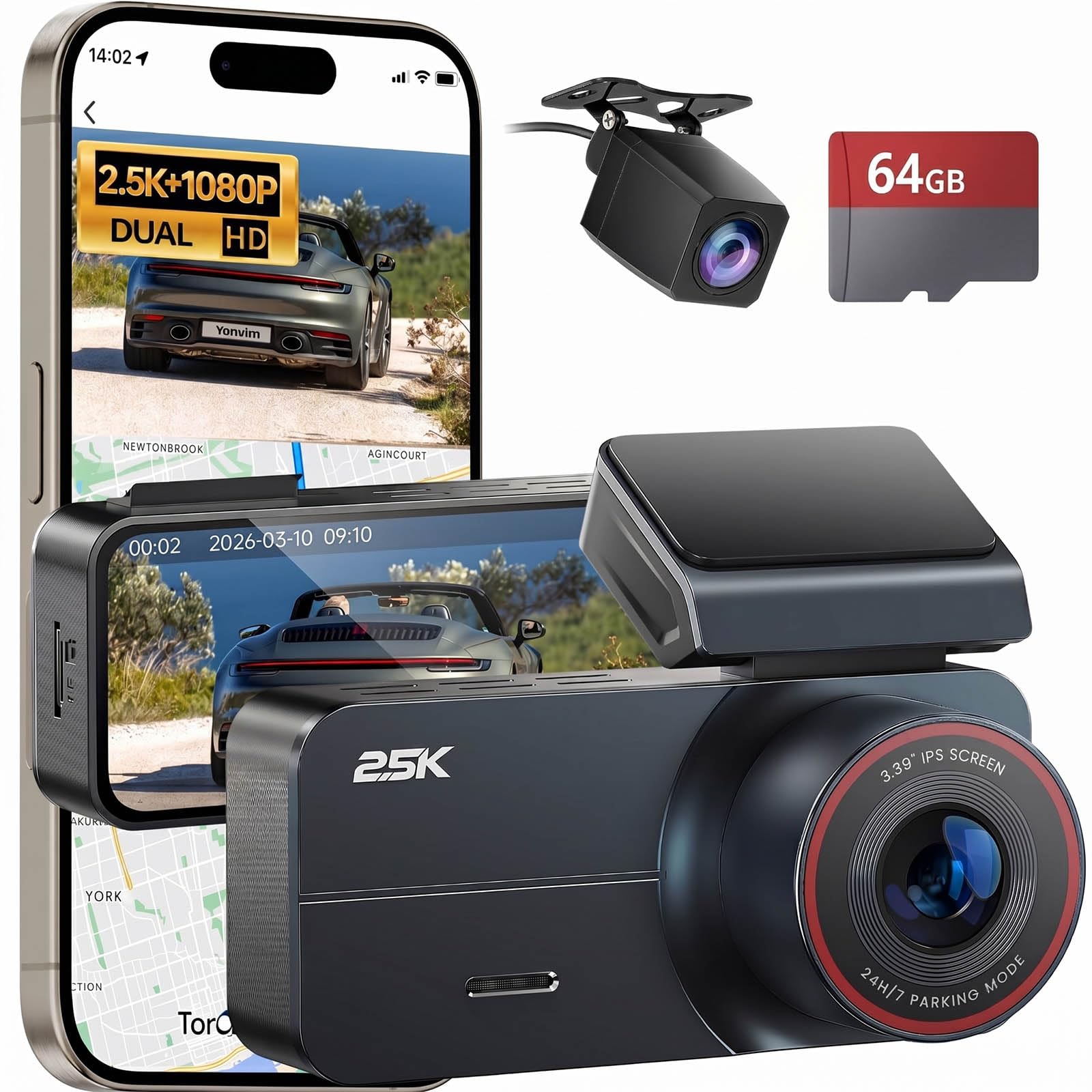
Rear cameras are usually a second smaller unit wired to the front one. Check the cable length, because routing from the windshield to the rear window of a van takes more than the 6 metres that come in some boxes.
Power, heat and parking mode
A car parked in the sun reaches 60 degrees and above. A camera with a lithium battery can swell or stop holding charge in that environment. A supercapacitor handles heat far better and loses only the ability to record for a few seconds after power is cut, which is a fair trade for something that lives on a windshield.
Parking mode needs a permanent live feed, usually through a hardwire kit, and it needs a voltage cut off so the camera does not flatten the battery. That is a real installation decision rather than a checkbox, and worth understanding before buying a camera advertised on that feature.
Cards, loop recording and the clip you keep
Continuous recording overwrites. When an incident happens, the camera either locks the clip automatically through a shock sensor or you press a button. Both are worth checking, because a locked clip is the only one guaranteed to still exist when the insurance company asks for it a week later.
Dash cams are hard on memory cards. High endurance cards are specified for the constant writing, and a standard card that works in a phone can fail within months in a dash cam. Card size and endurance are covered with the rest of the storage hardware in storage and accessories.
Mounting and the legal side
Mount behind the mirror, inside the swept area of the wiper, without blocking the driver's view. Some countries and states restrict what can be attached to a windshield, and a few restrict recording of public space. That is a local question, and it is quicker to check than to argue about later.
If the vehicle is a work van with tools inside, a dash cam covers the road but not the cargo. That is a security camera job, and for the yard the van parks in, a multi camera system covers the whole site.