
Collection
Access control
Access control decides who gets in and keeps a record of it. A smart lock is the easy retrofit, a keypad is what staff understand, and an intercom is what lets a visitor in without walking to the door. The parts that fail are batteries, Wi-Fi at a metal door, and a gate motor sized for the wrong weight.
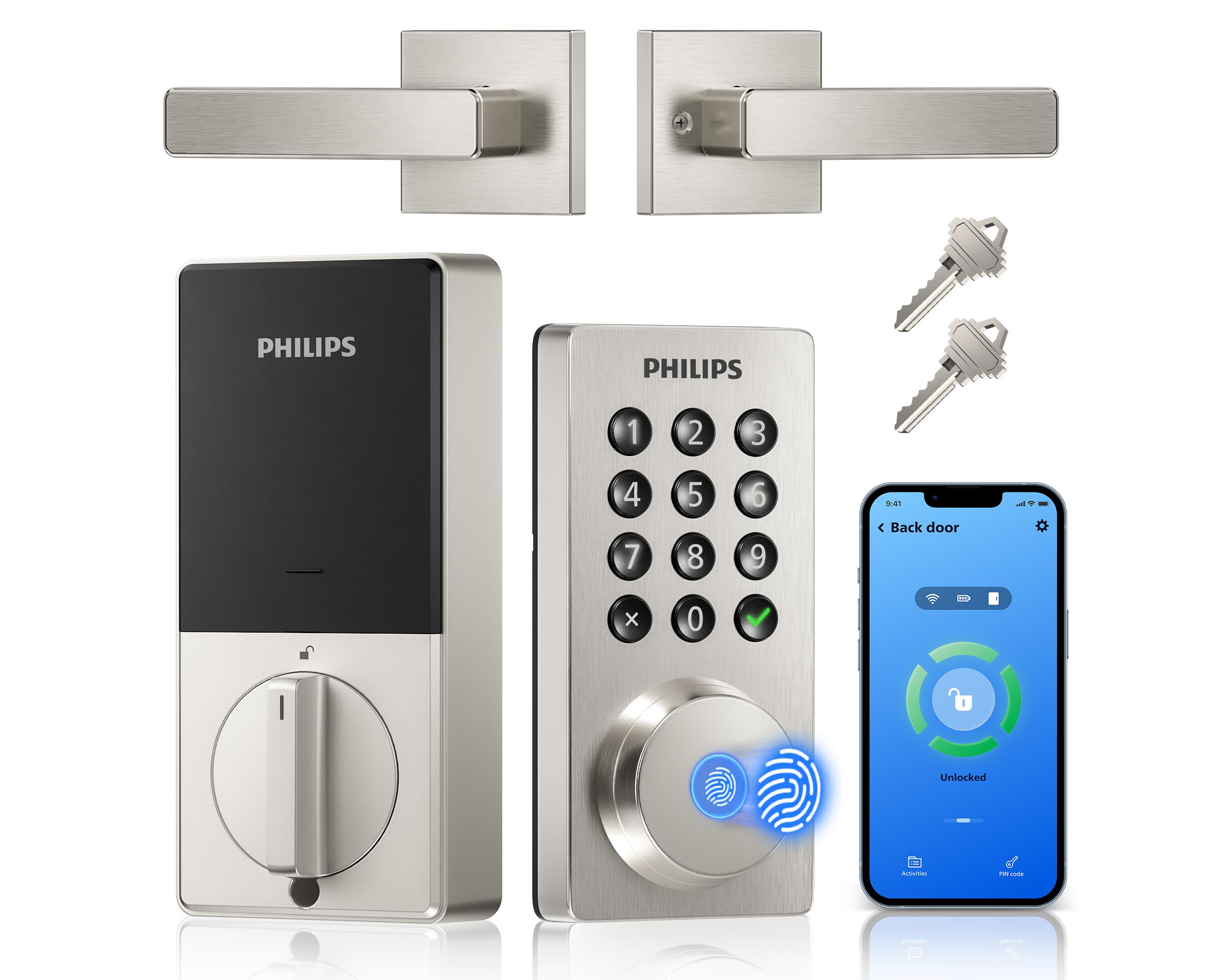


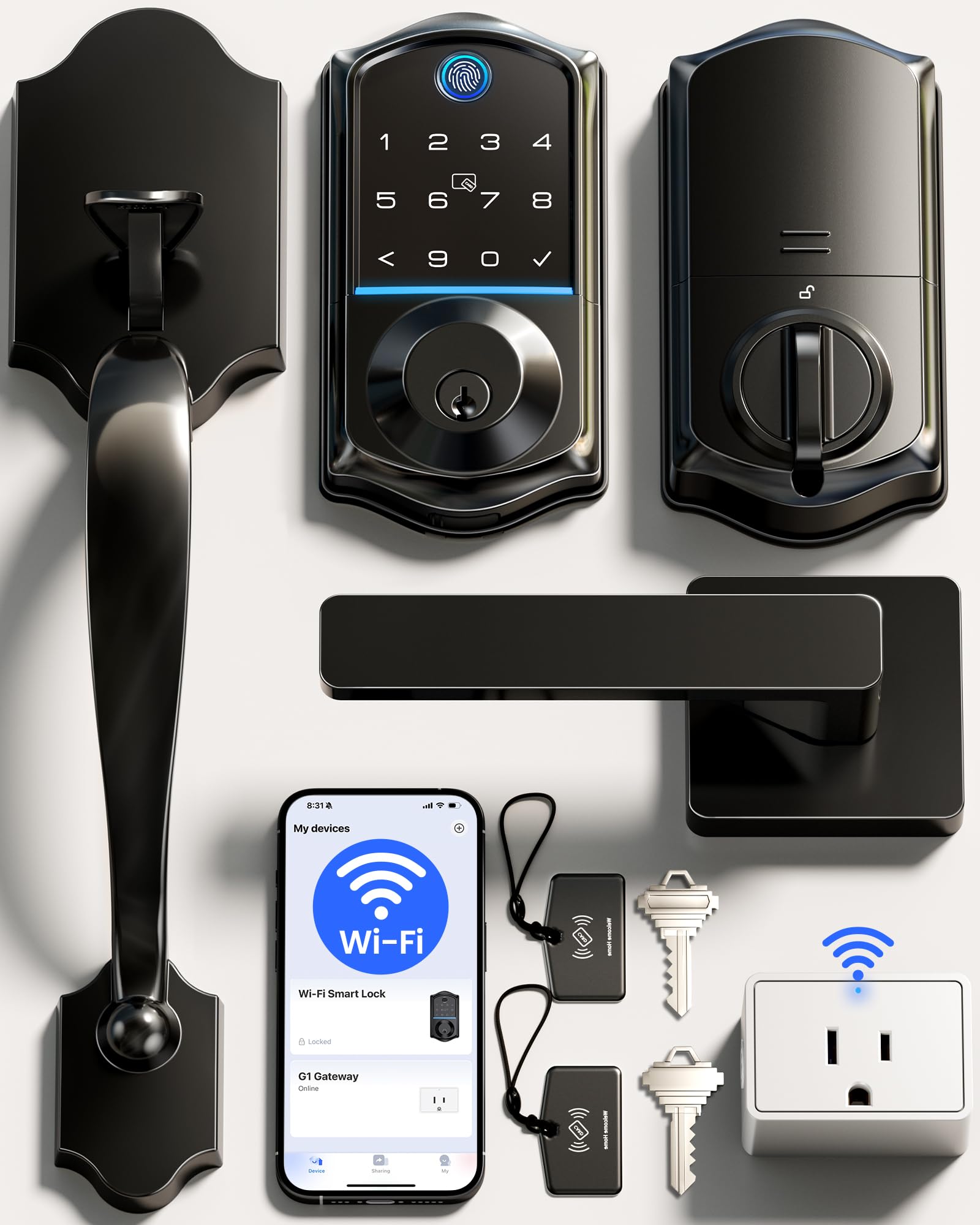
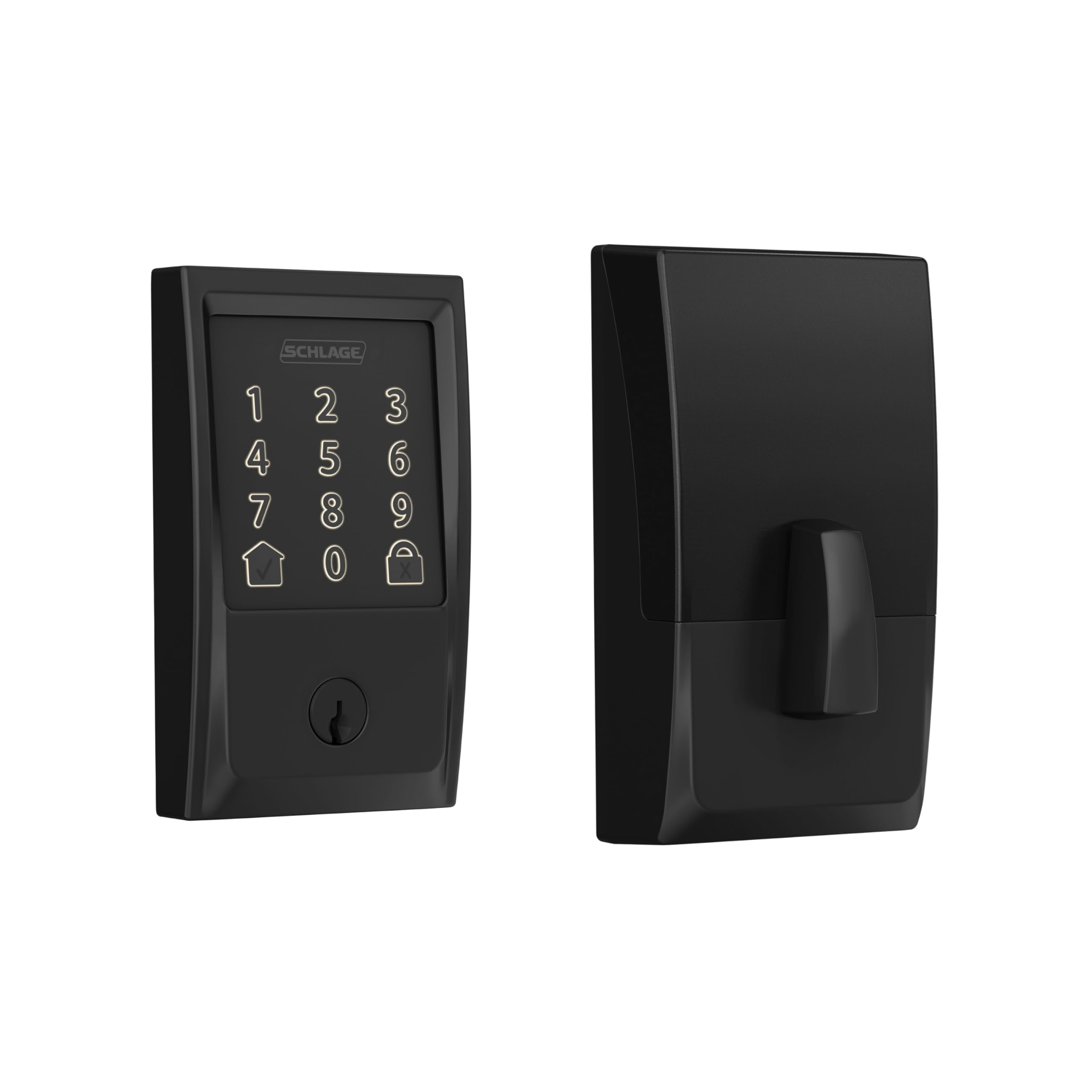
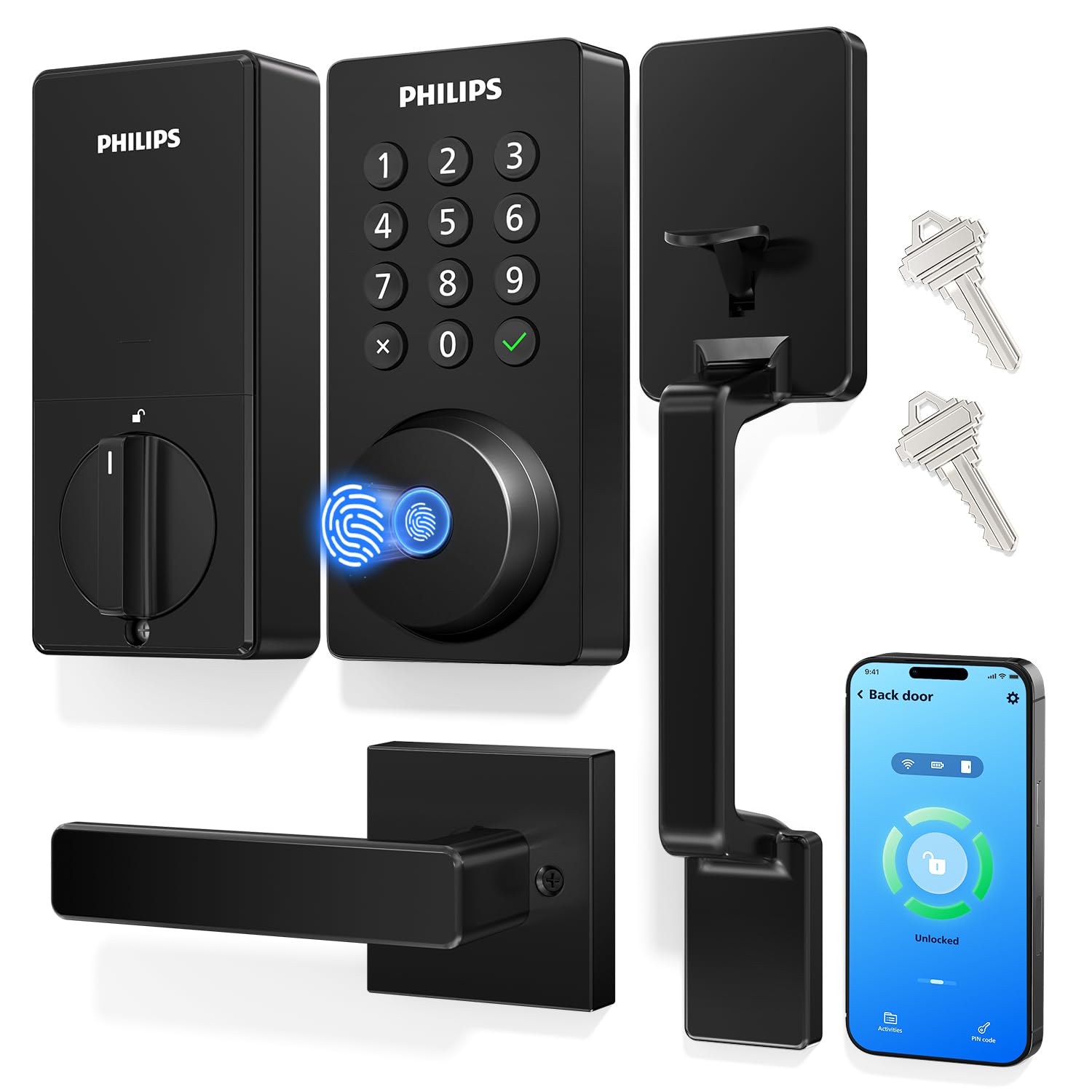
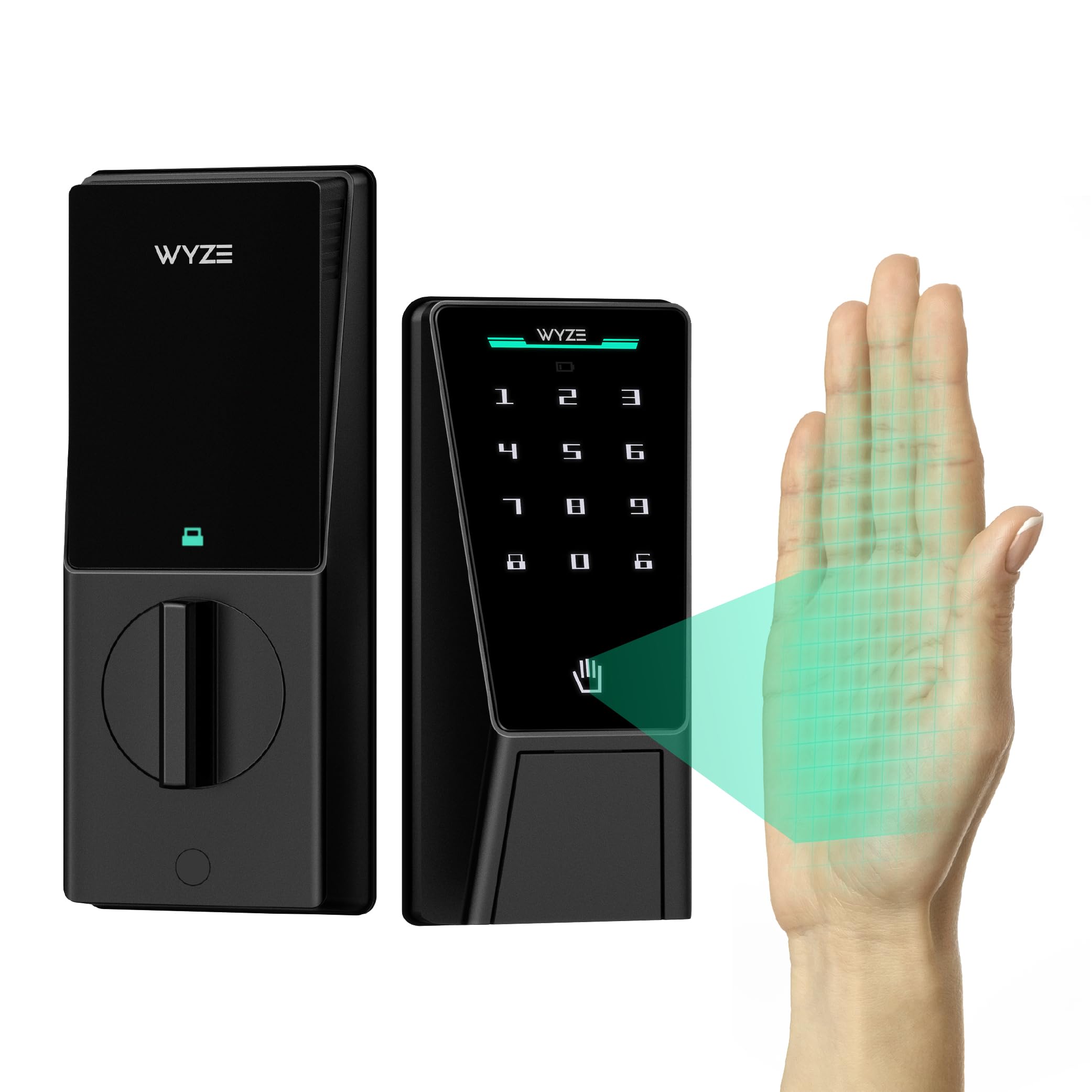
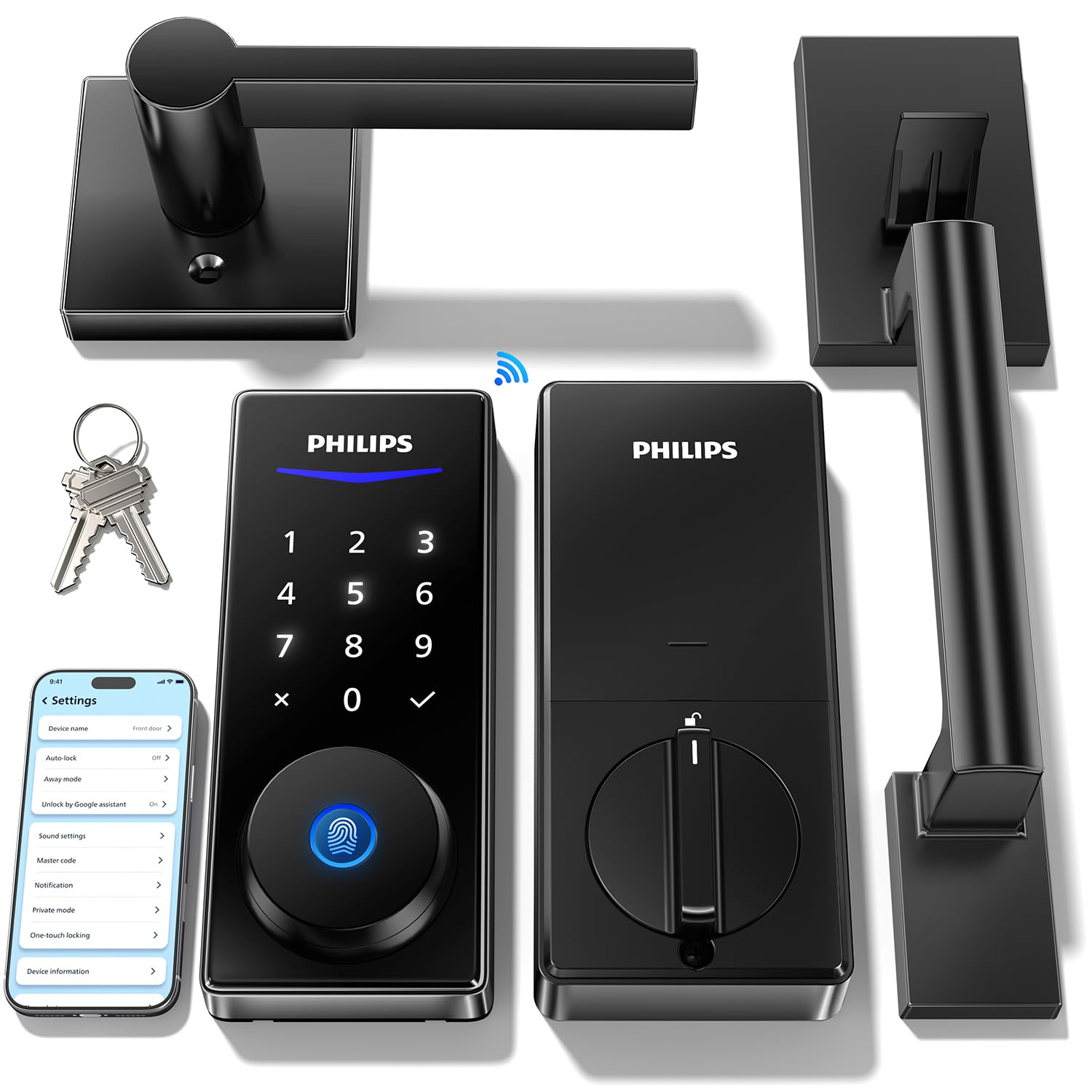
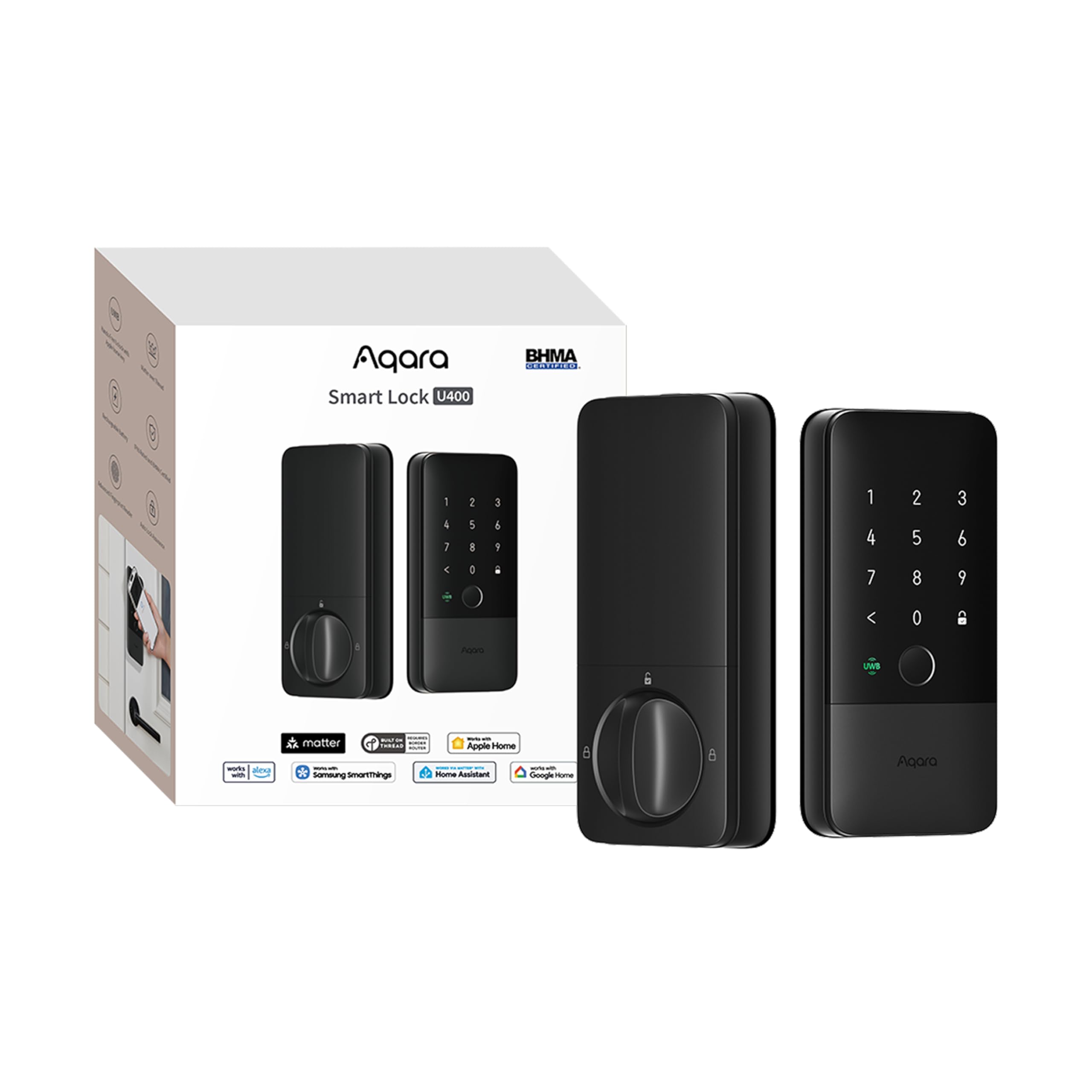
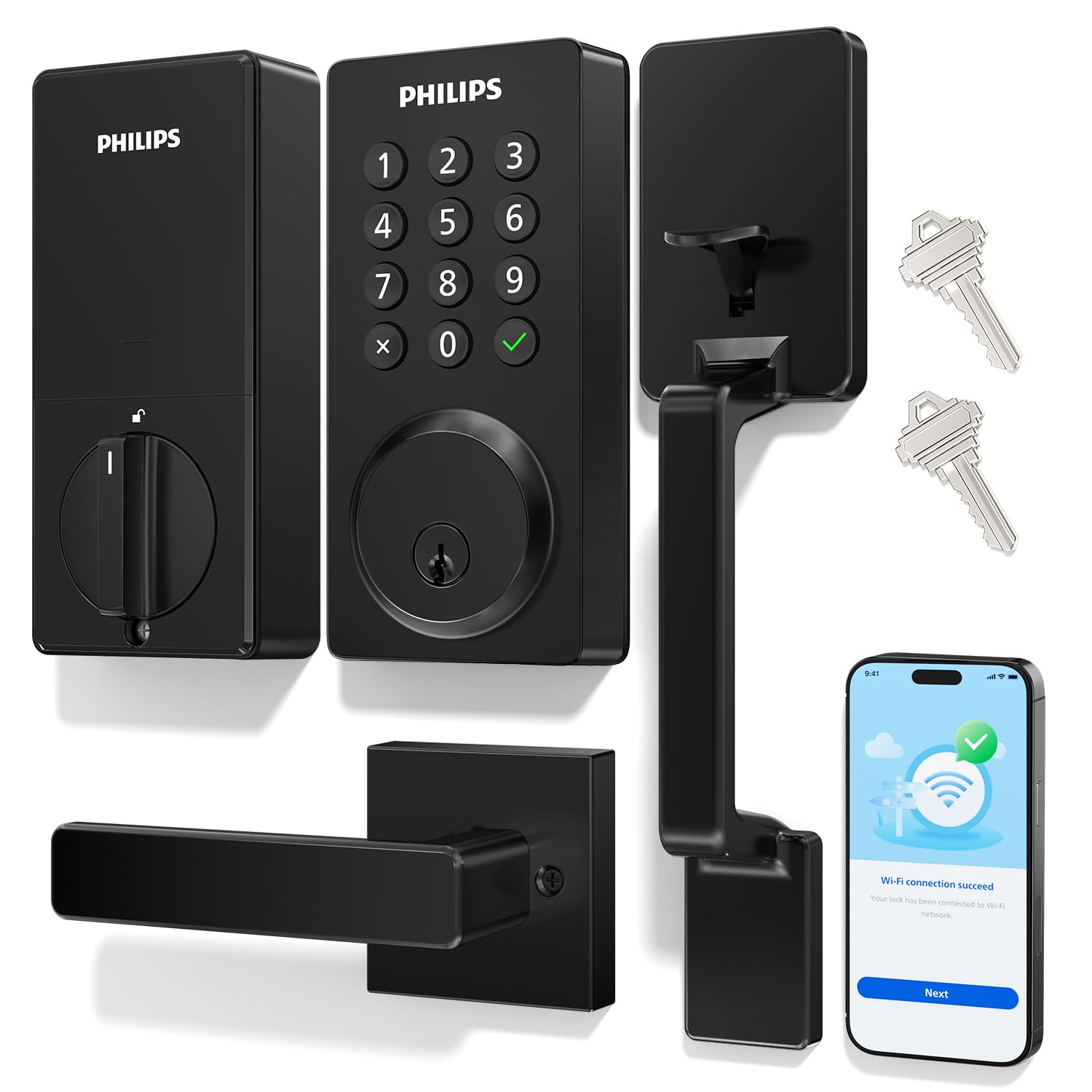
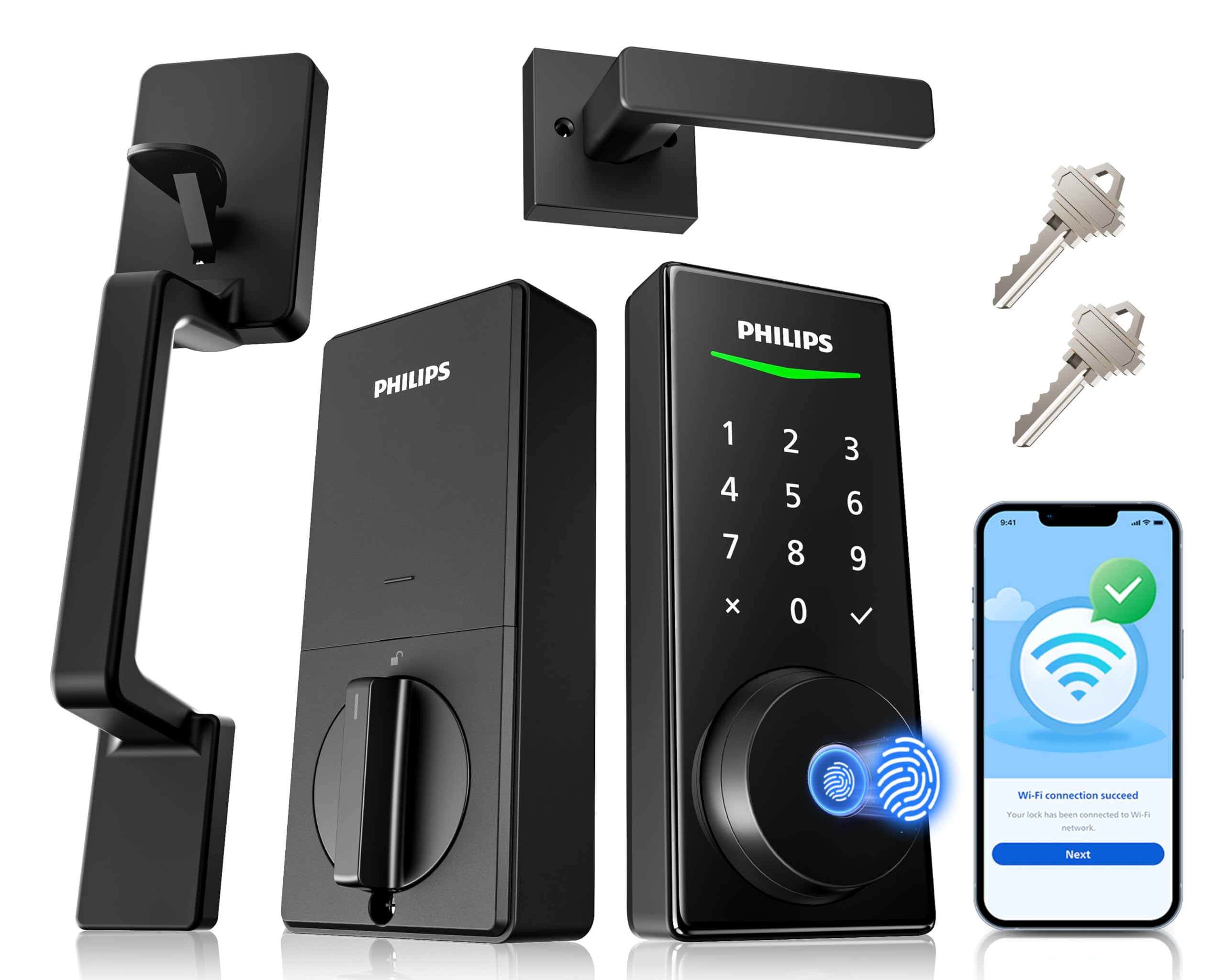
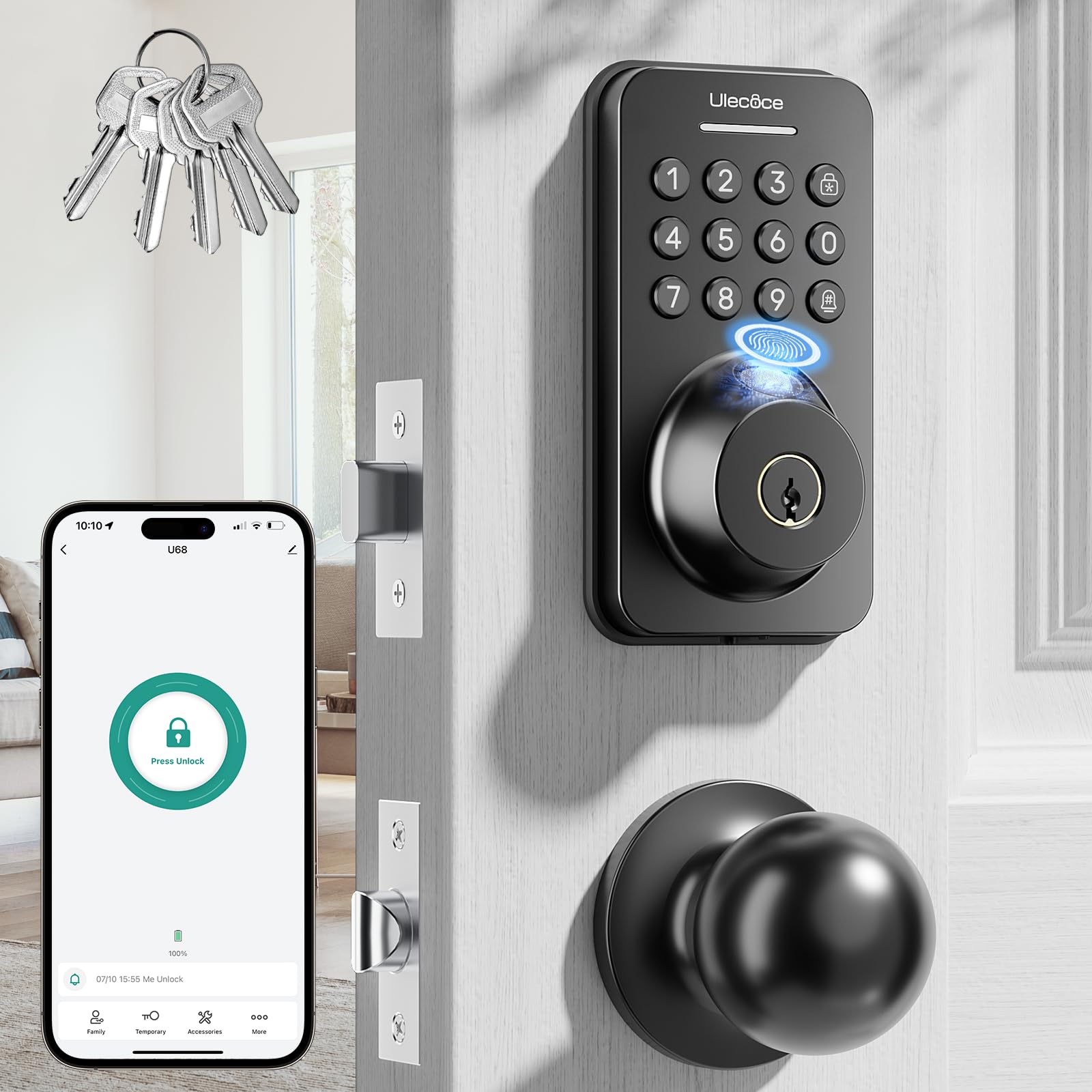
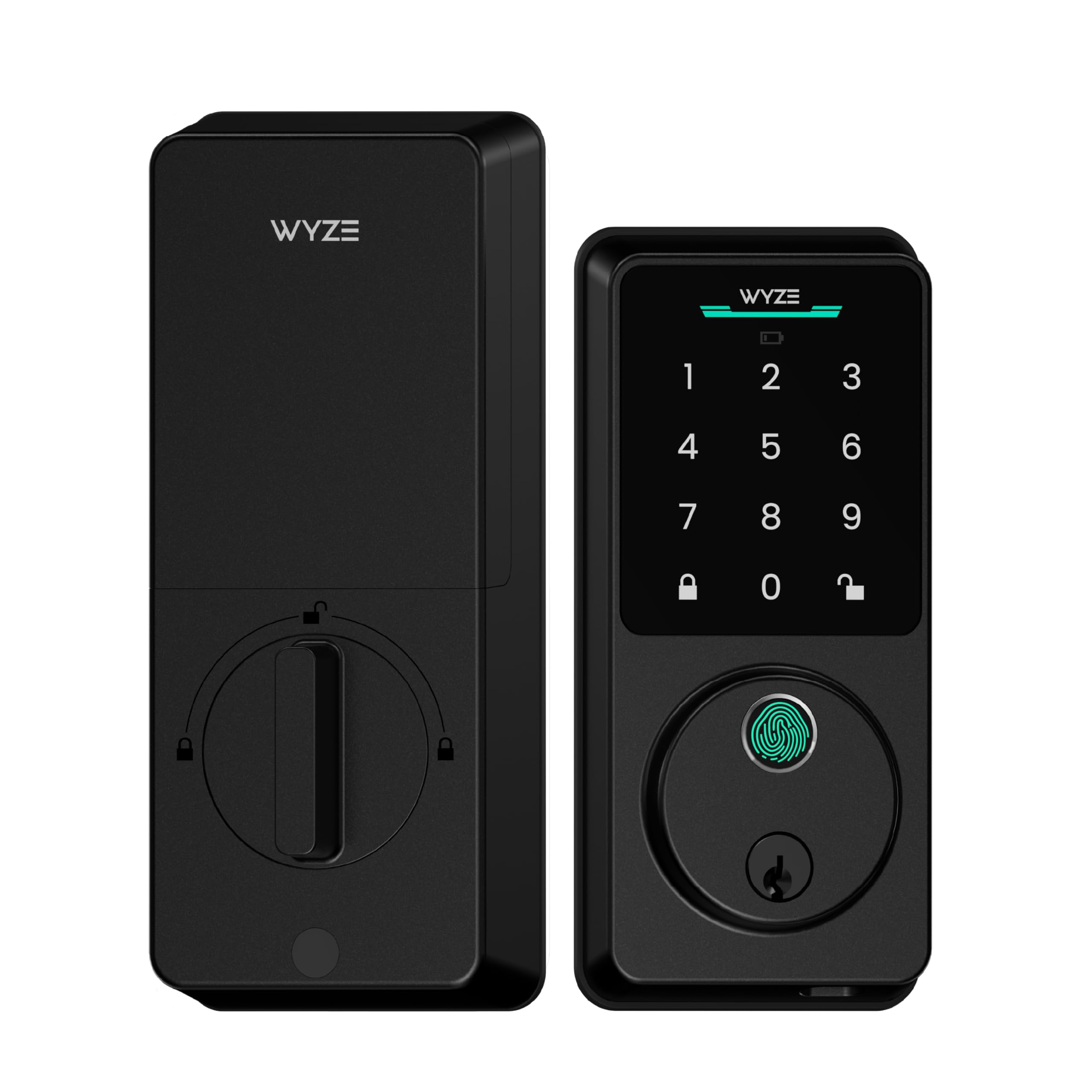
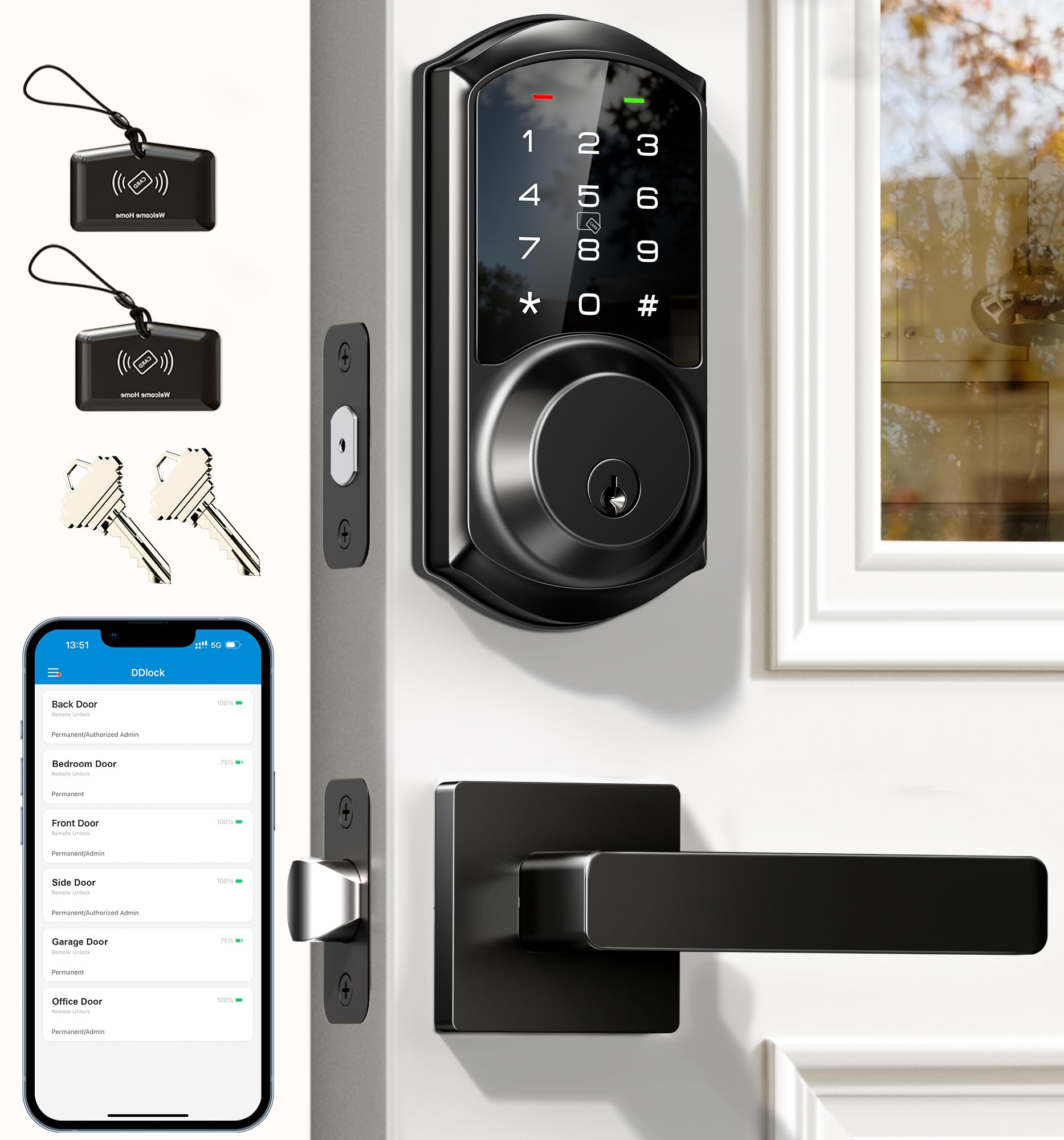


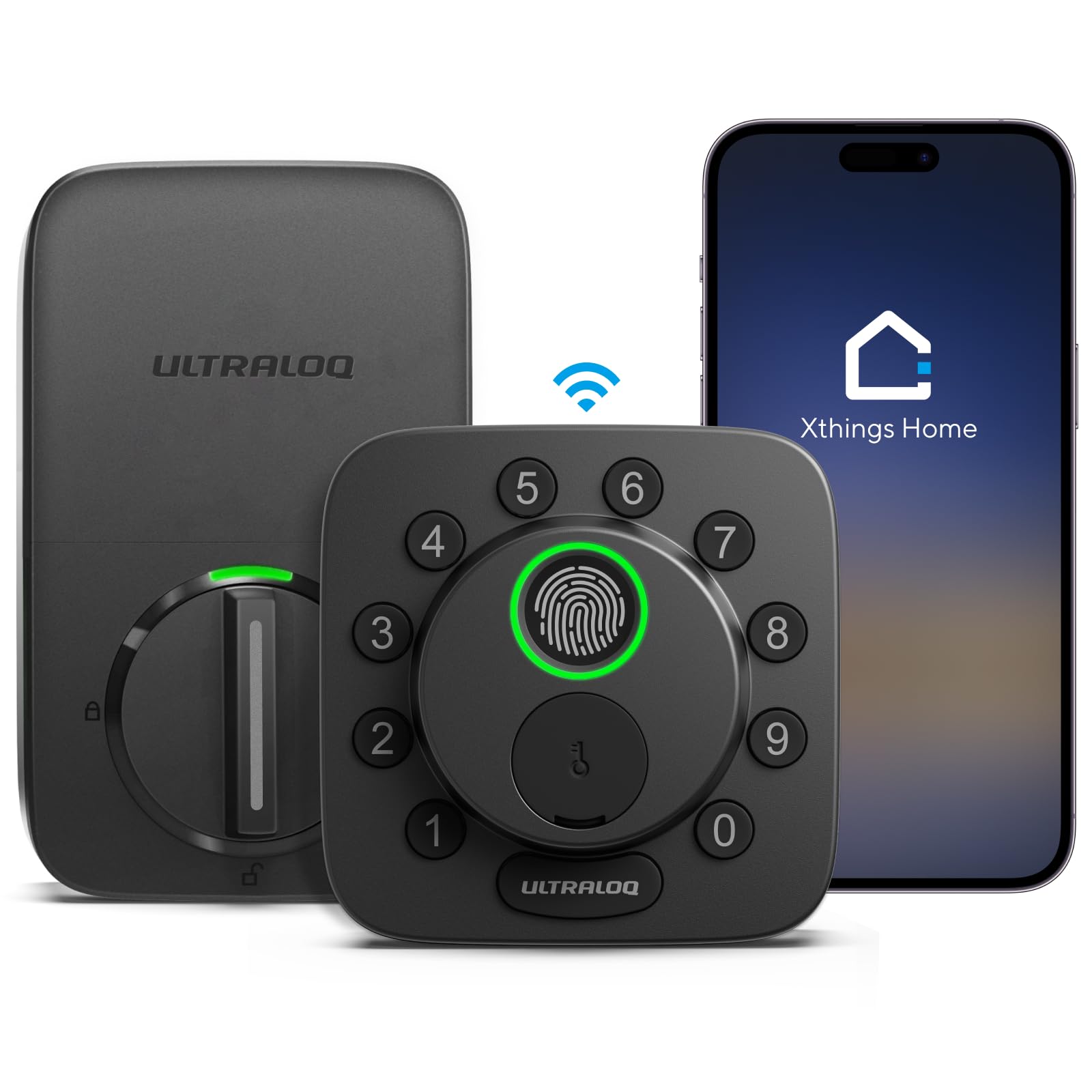

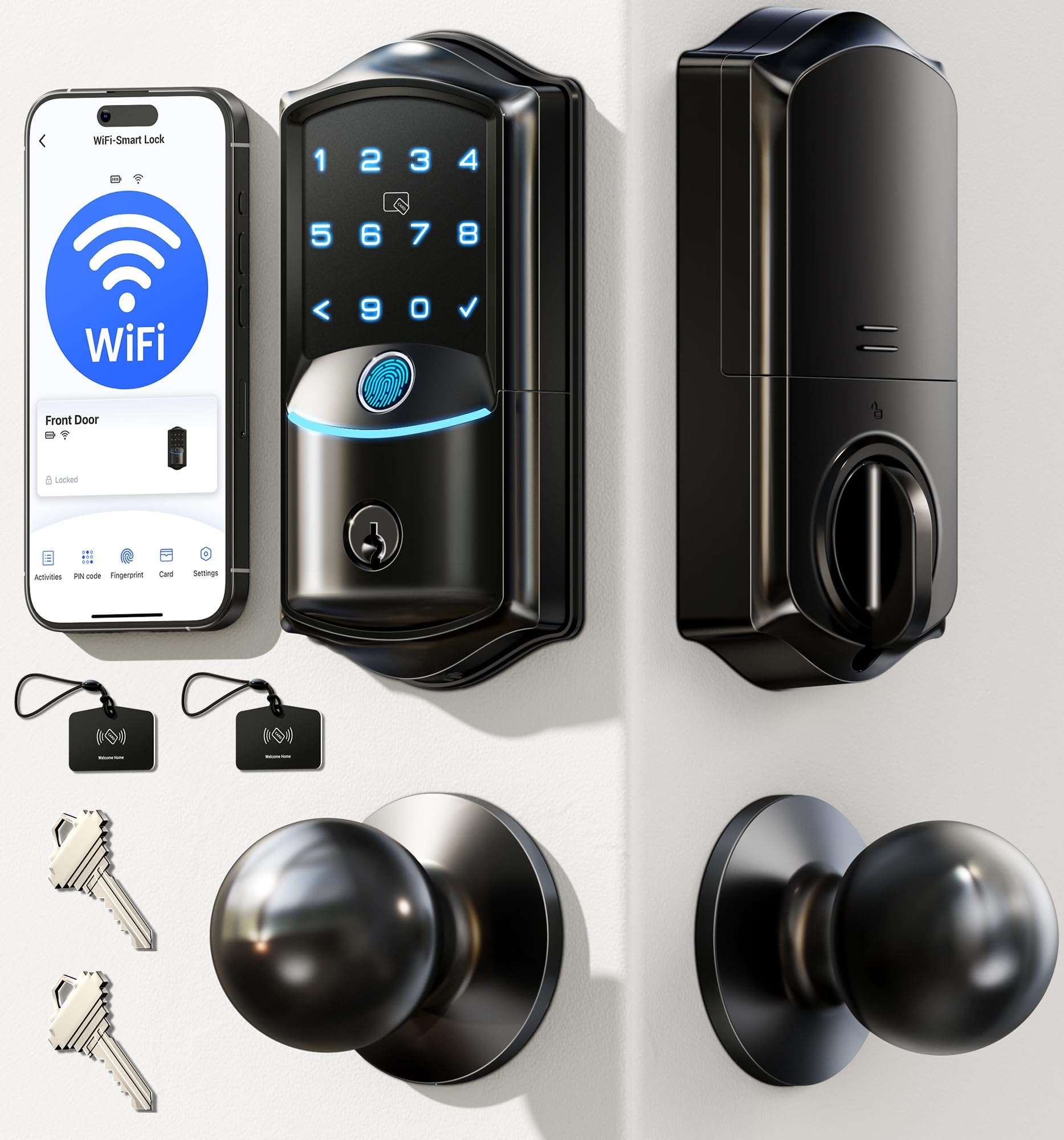
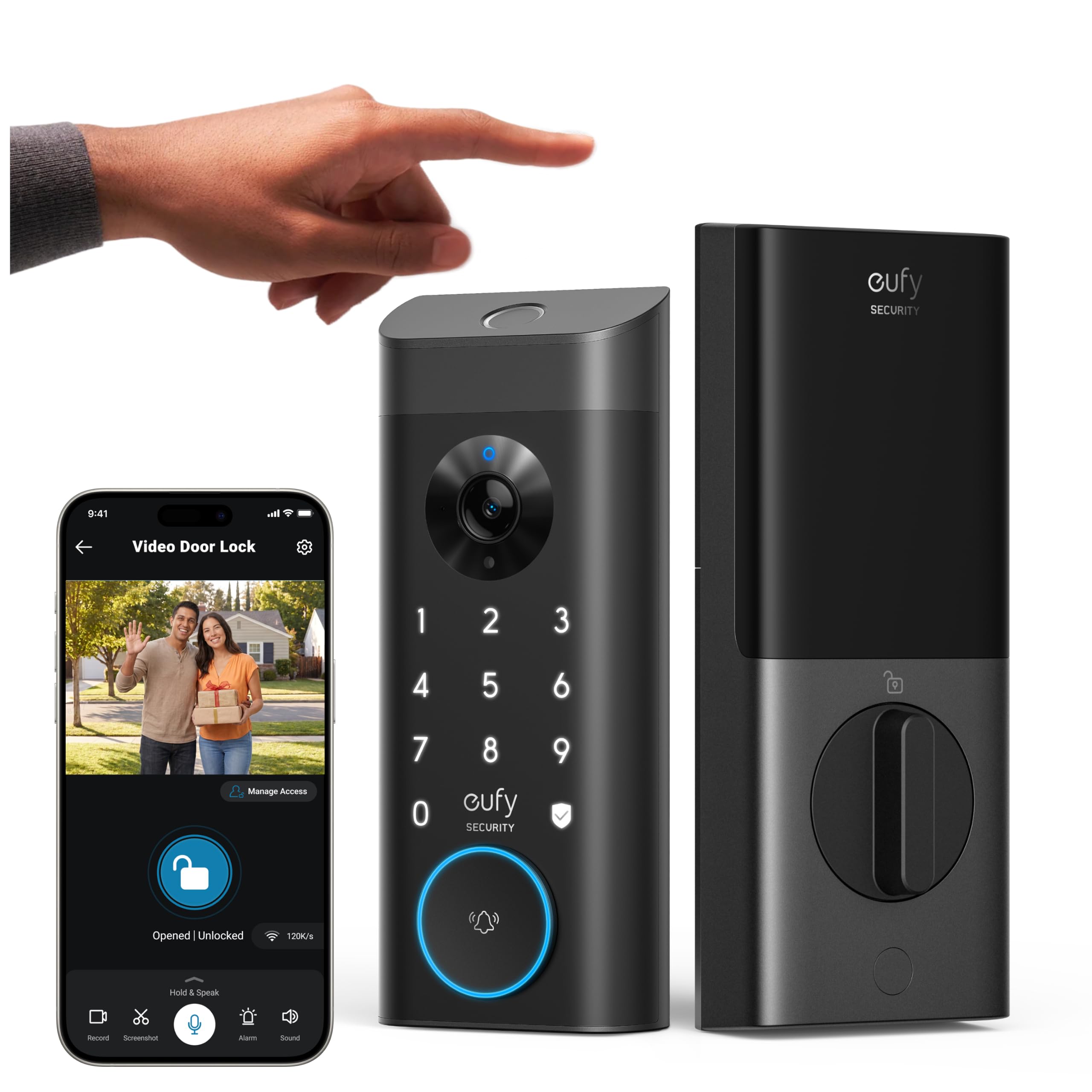
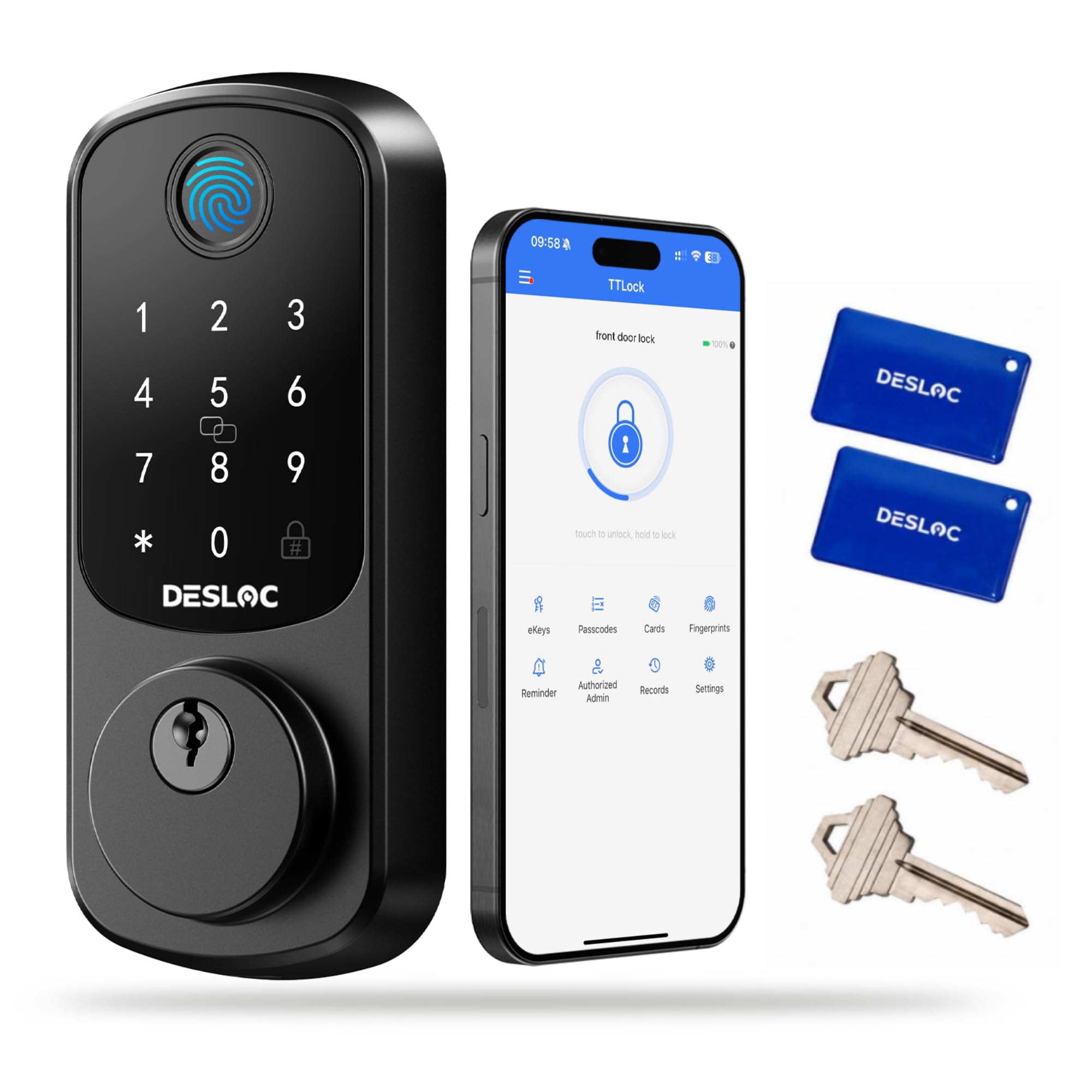

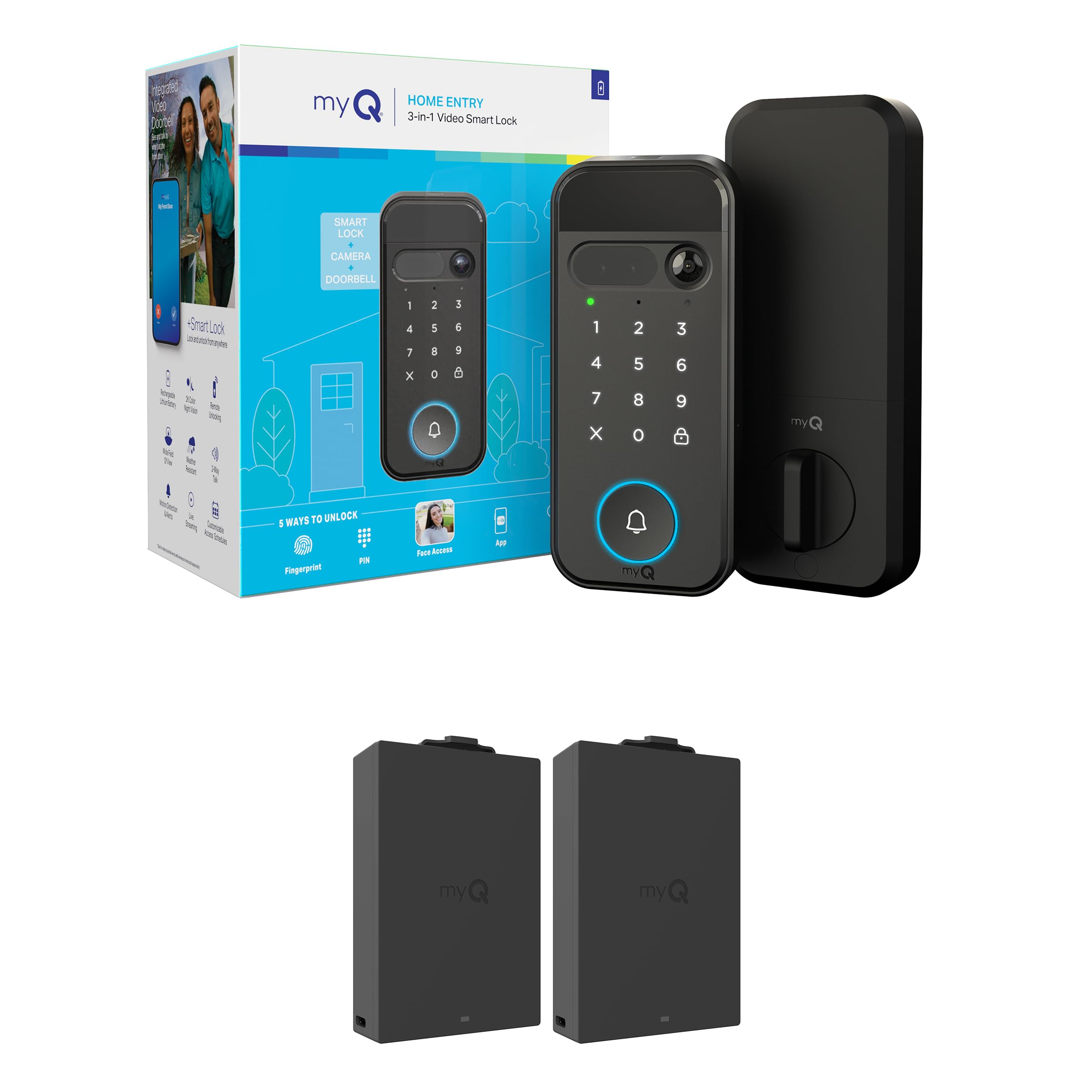

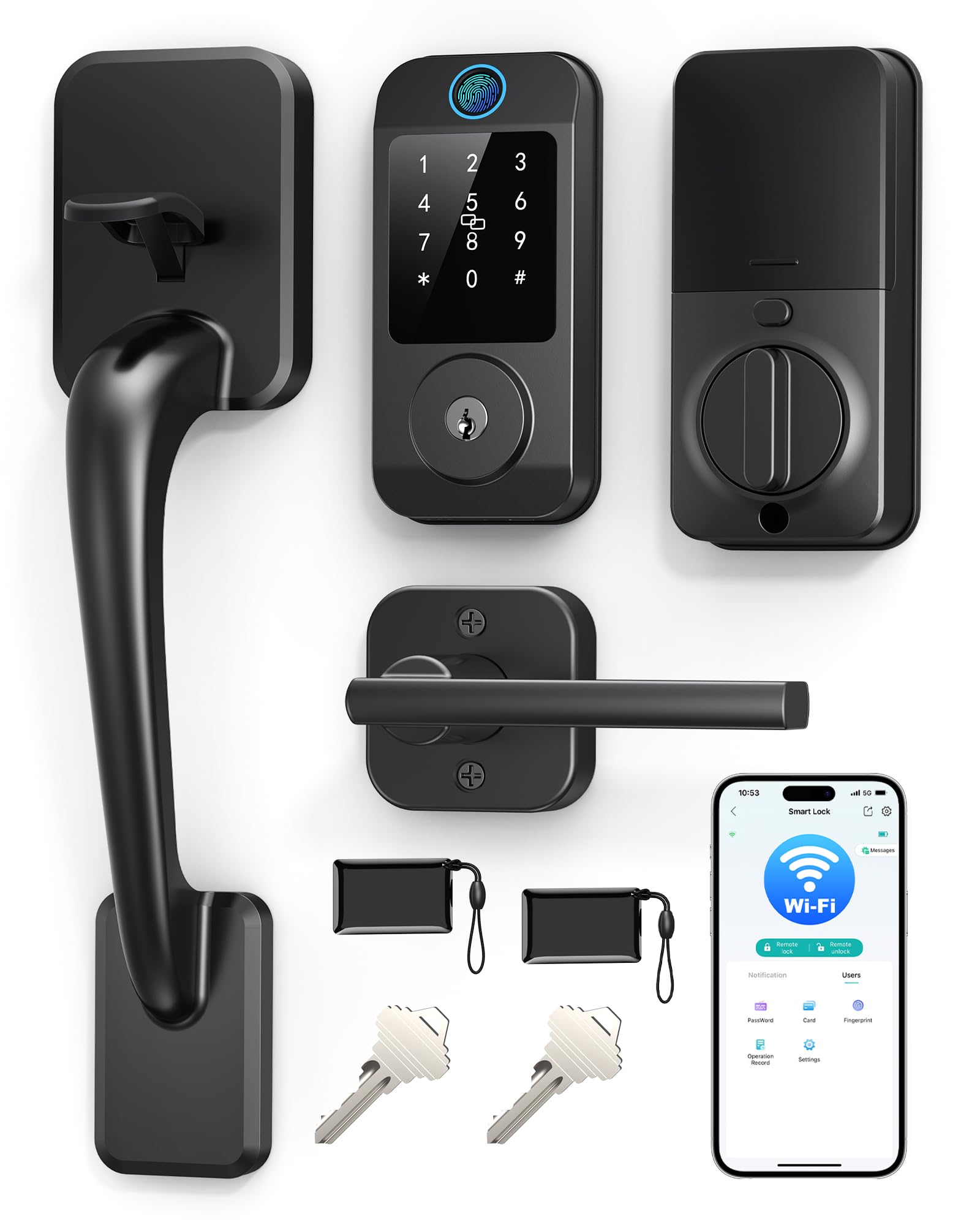
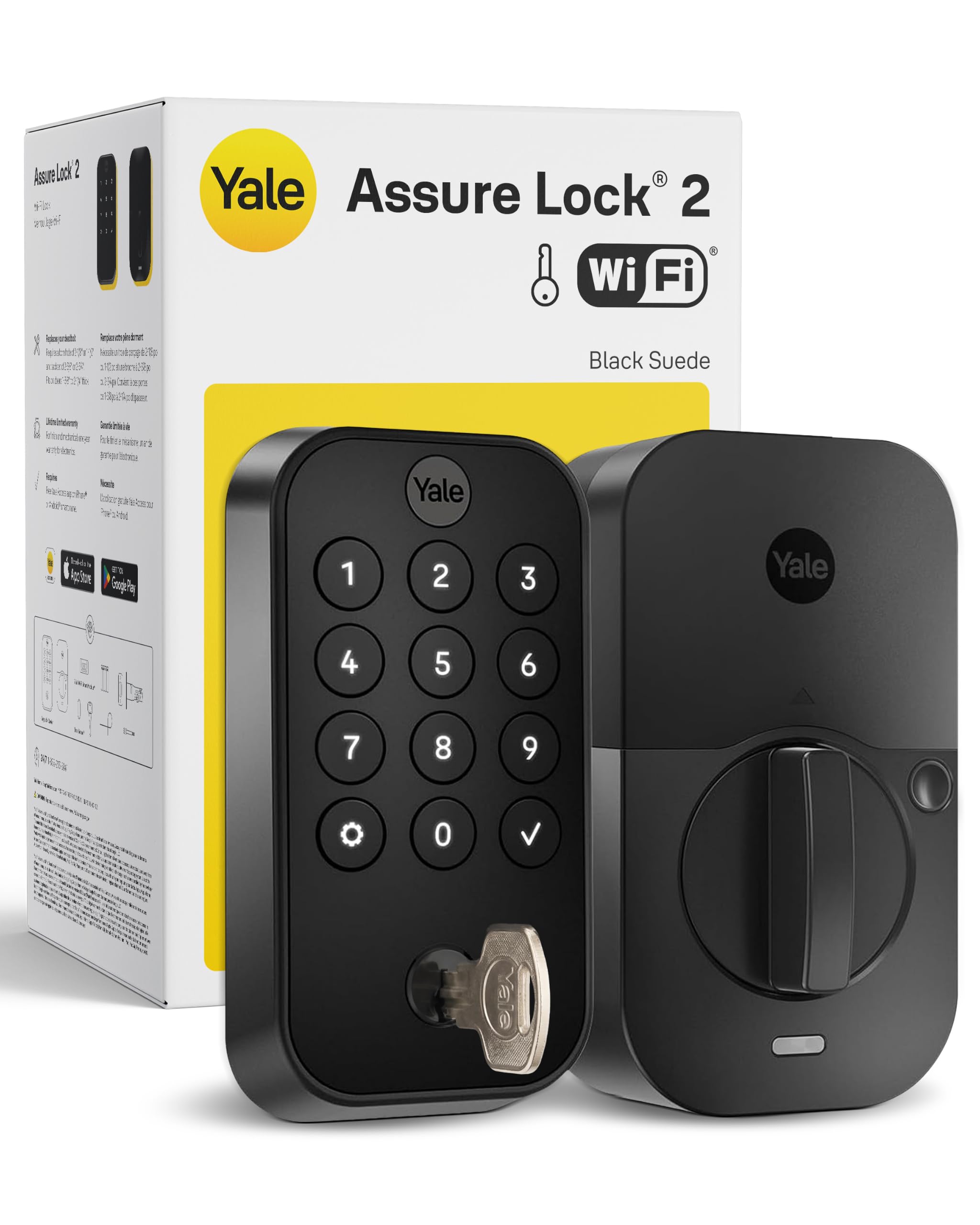
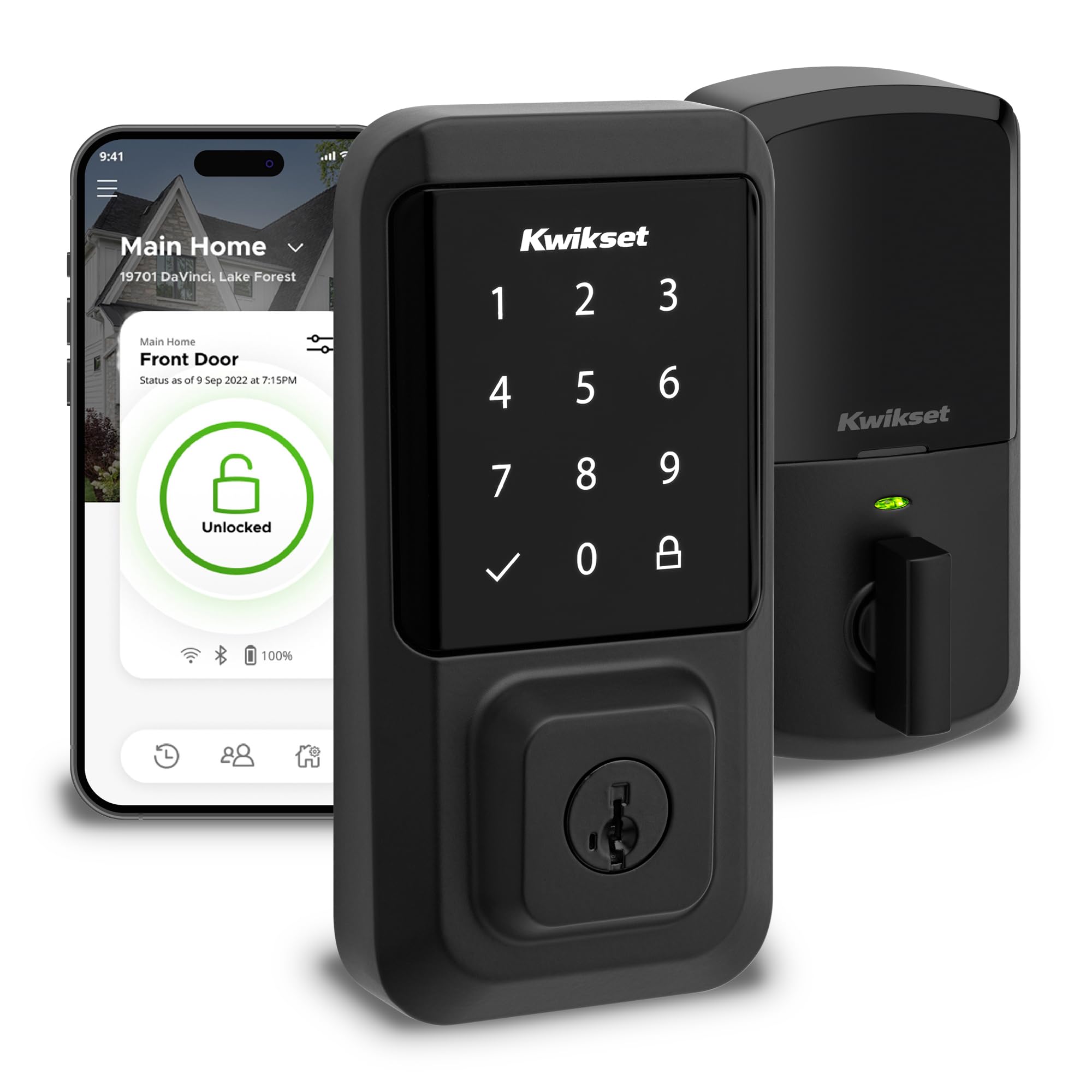


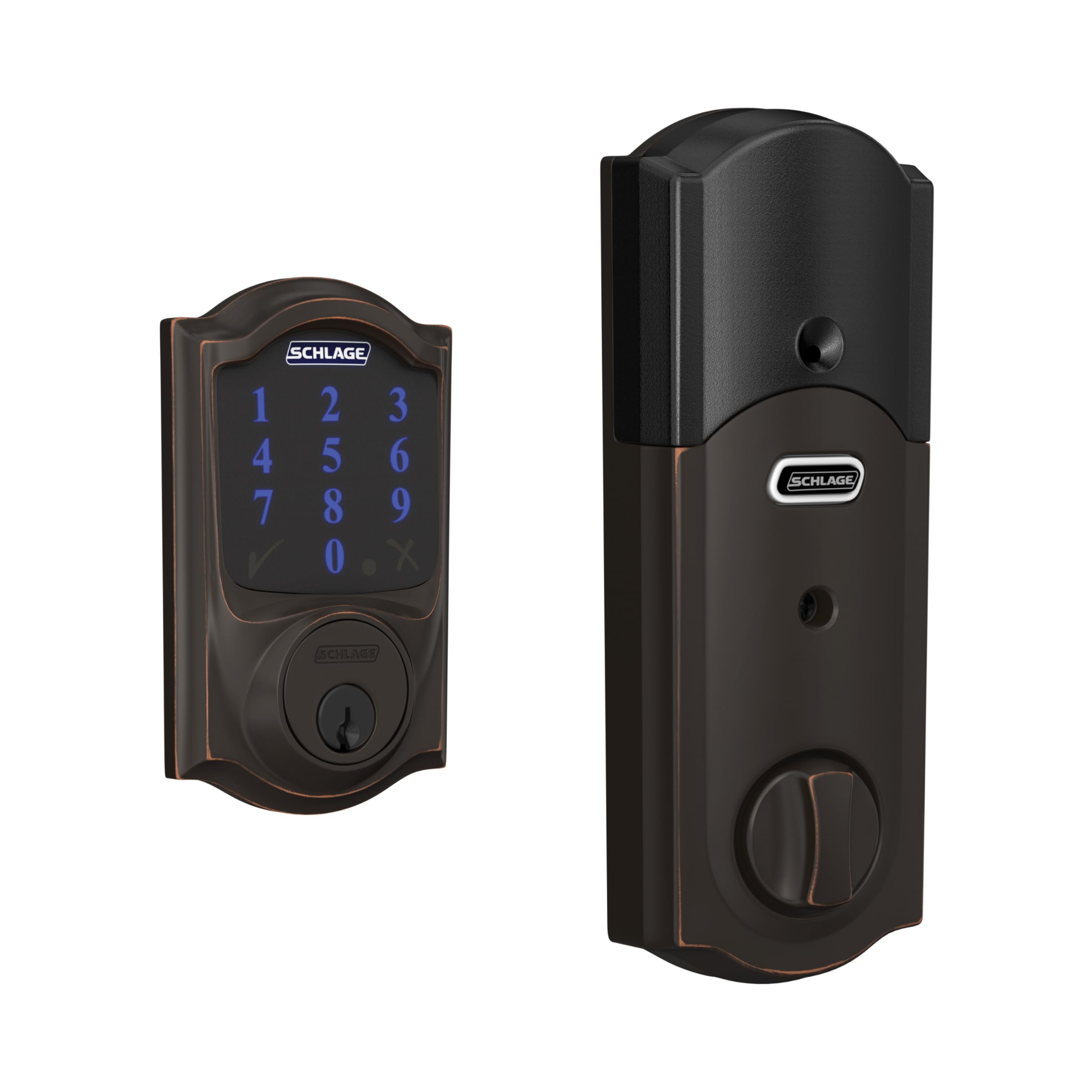
Access control is the part that decides who gets in
Cameras watch. Access control acts. A smart lock, a keypad, an intercom or a gate opener is what turns a monitored building into a controlled one, and for an office or a warehouse it often matters more than another camera angle. The questions are simple: who can open this door, how is that recorded, and what happens when the battery dies or the network drops.
The category splits into doors people use every day, where speed matters, and doors that should mostly stay shut, where the audit trail matters.
Smart locks and deadbolts
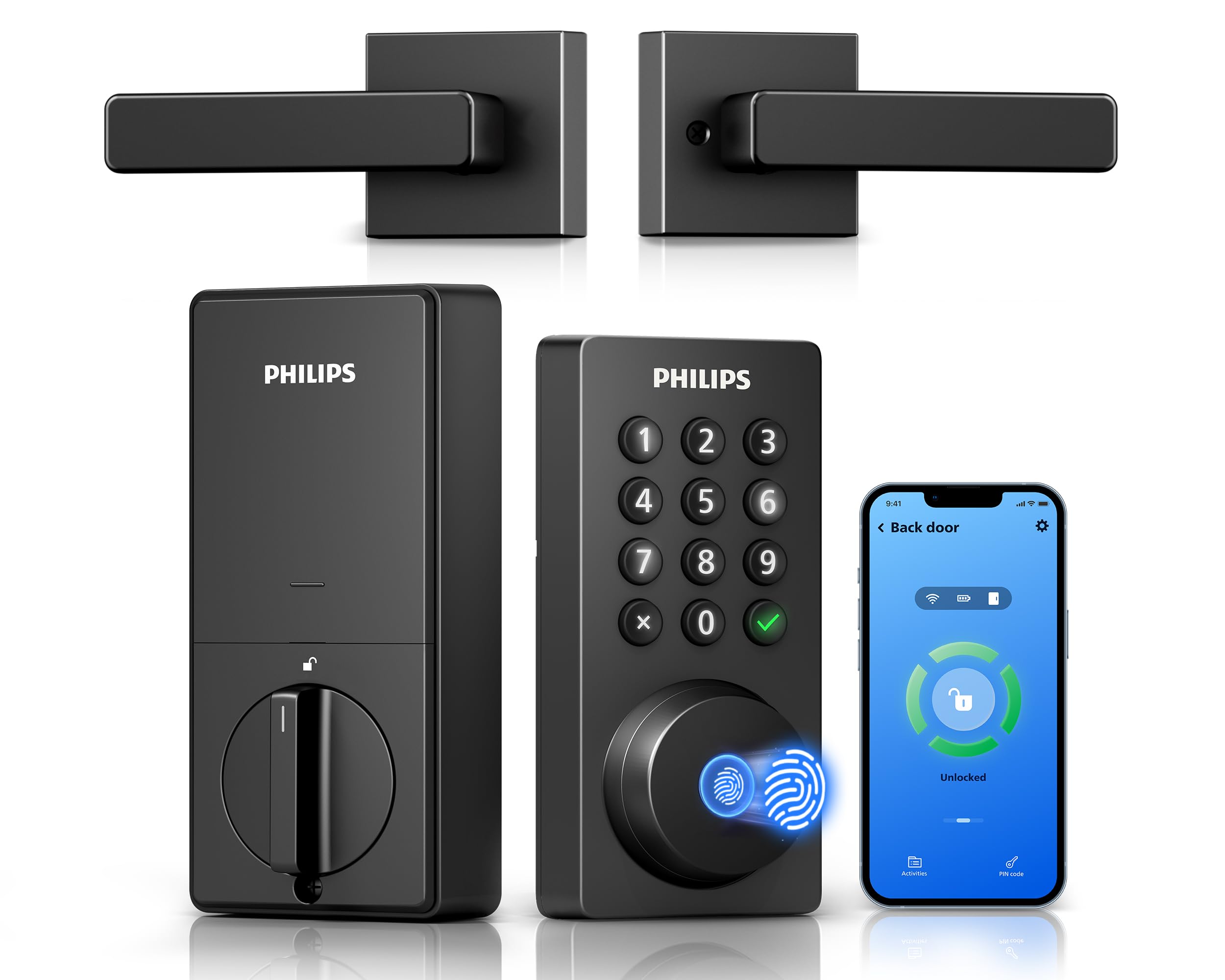
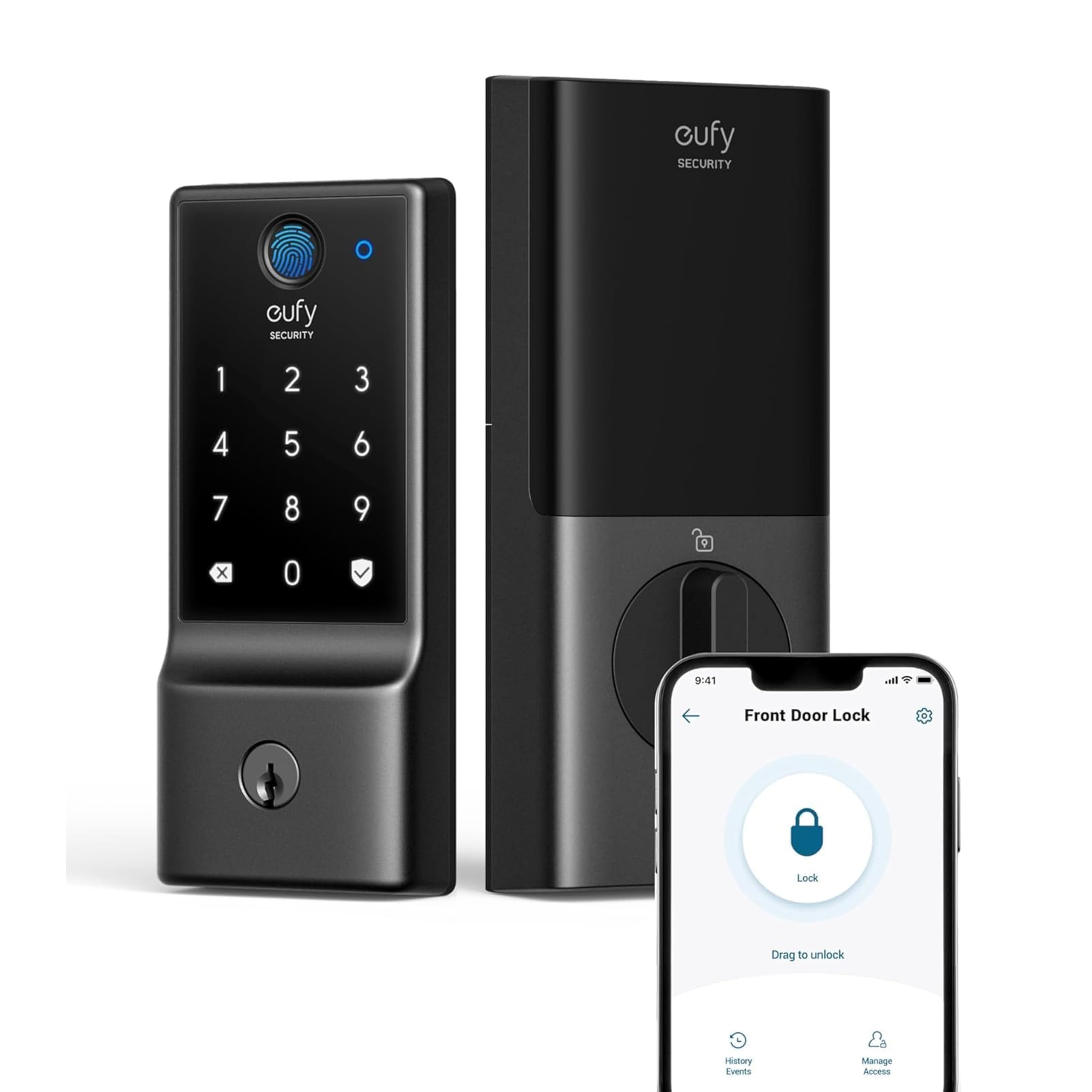
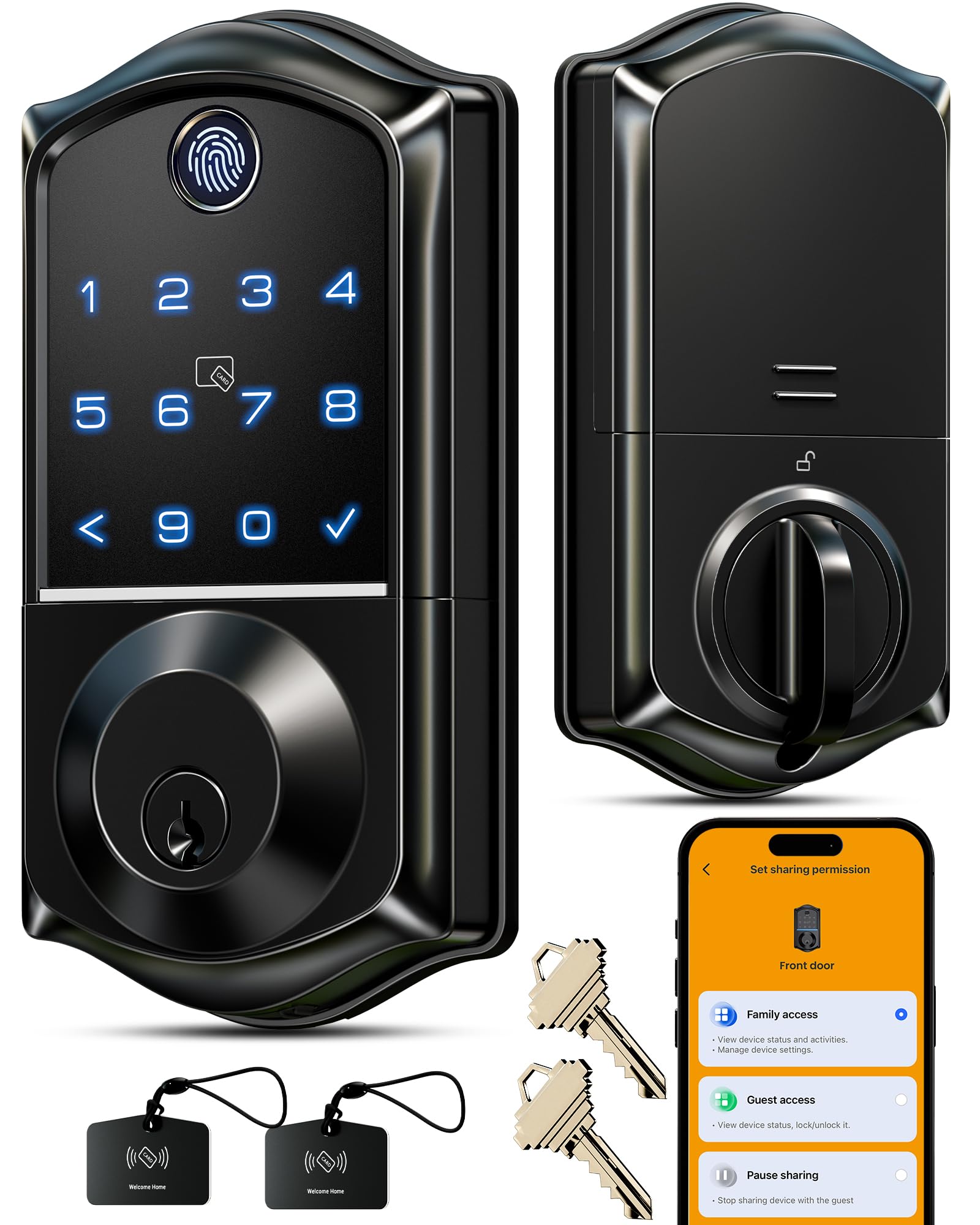
A smart deadbolt replaces the existing cylinder and keeps the door's own handle. It is the easiest retrofit and the option most worth considering for a rented office, because it can be removed without changing the door. A mortise or lever lock replaces more of the mechanism and suits a main entrance where the lock is part of the building's security rather than an add-on.
Check the door thickness and the backset before ordering, because both vary and neither is obvious from a product photo. Then check the entry methods: app, code, key, fingerprint. A lock with a physical key override is the difference between a flat battery and a locksmith call at midnight.
Keypads and codes
A keypad is the cheapest form of access control and the one staff actually understand. Standalone keypads need no network and no app, which makes them reliable and invisible to a remote attacker. The trade off is that a shared code is not an audit trail, and codes get passed around.
Better units allow several codes, a temporary code for a cleaner or a contractor, and a log of which code opened the door. If the site has more than a handful of people coming and going, that log is the reason to pay more.
Intercoms and door entry
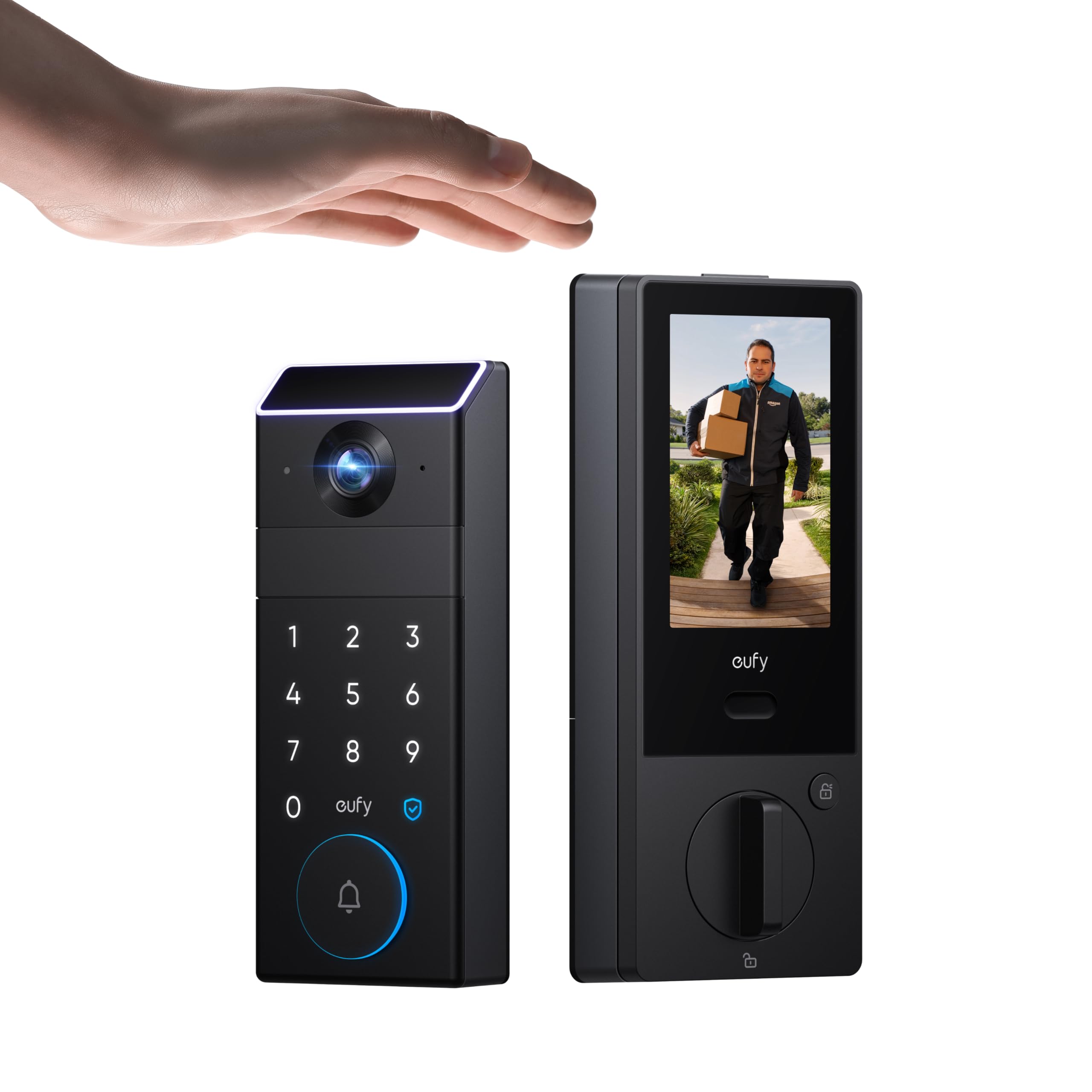
A video intercom is a doorbell with a release button. The visitor calls, someone answers on a monitor or a phone, and the door opens remotely. For an office entrance or a warehouse gate this removes the need to walk to the door, and for a flat it replaces a buzzer with a camera.
Wired systems are more reliable and more expensive to install, because they need cable between the door station and the indoor unit. Wireless and app based intercoms install in an afternoon and depend on Wi-Fi, which is usually fine for a single door and occasionally not fine for a metal warehouse wall.
Gates, barriers and the outdoor problem
Gate openers live in a harder environment than door locks: rain, frost, heavy cycles and a motor that has to move a steel frame. Check the cycle rating, the opening force and whether the kit includes the safety sensors. A gate that closes on a car because a photocell was sold separately is a bad purchase.
For a vehicle gate, the control method matters as much as the motor: remote fobs, a keypad, a phone app or an intercom with a release. Most sites end up with two, and the wiring for the second is easiest to add at installation.
Power, batteries and getting out
Every electronic lock needs a fail-safe plan. A deadbolt with a key override is one. A door with a magnetic lock and no break glass is a fire risk and usually a legal problem. Check what the lock does when power fails: fail unlocked is the safe default for an exit, fail locked is correct for a perimeter.
Battery life figures assume normal use. A lock on a door that opens forty times a day will need attention far sooner than the listing suggests, so pick a model with a low battery warning that actually reaches someone.
Where it fits with the rest of the system
Access control answers who came in. A camera answers what they did next, and a recorder keeps both pieces of evidence. For the front door of a home, a video doorbell covers most of the same ground for less, and for a building where nobody is on site, an alarm sensor on the same door tells you when it opens without authorisation.