
Collection
Alarms and sensors
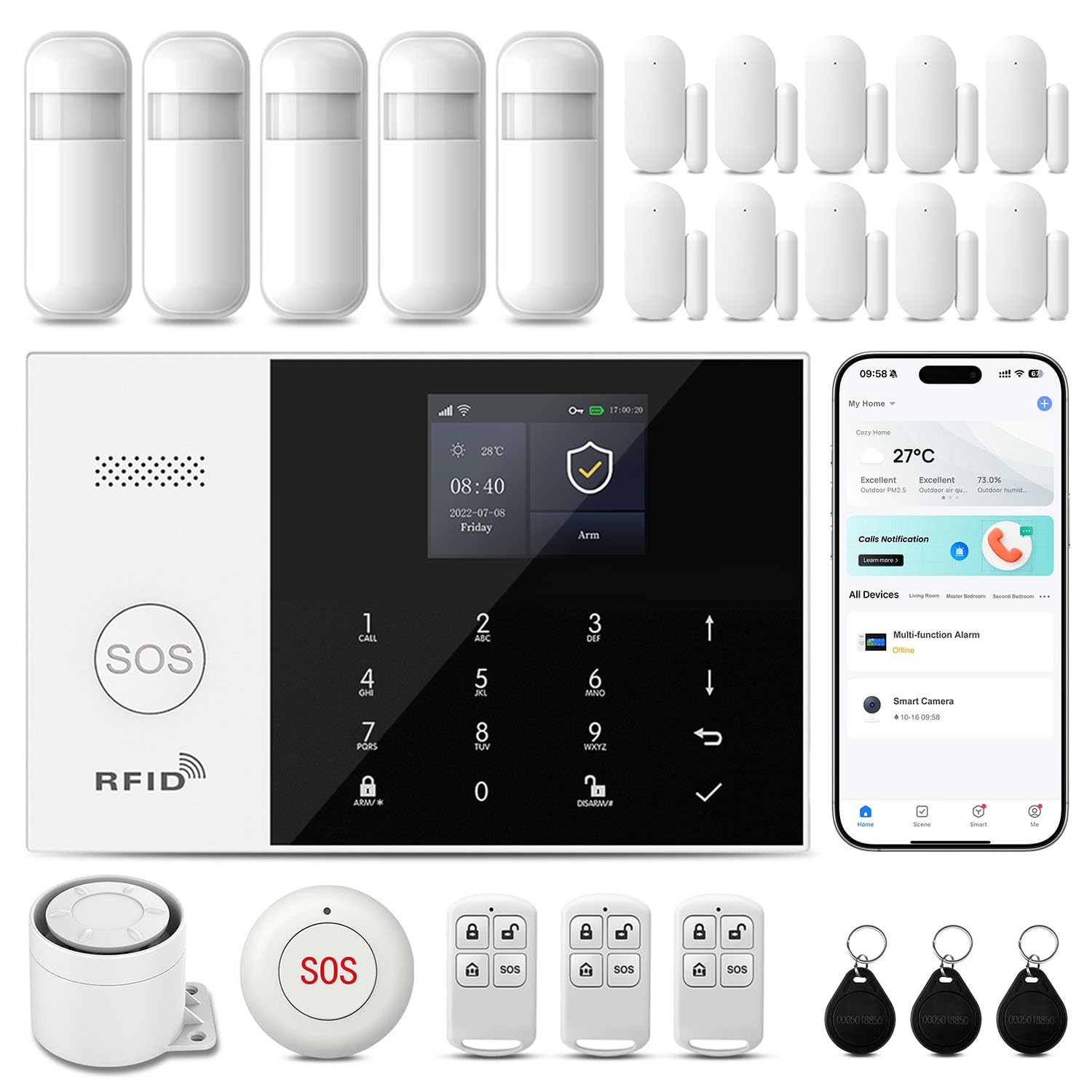
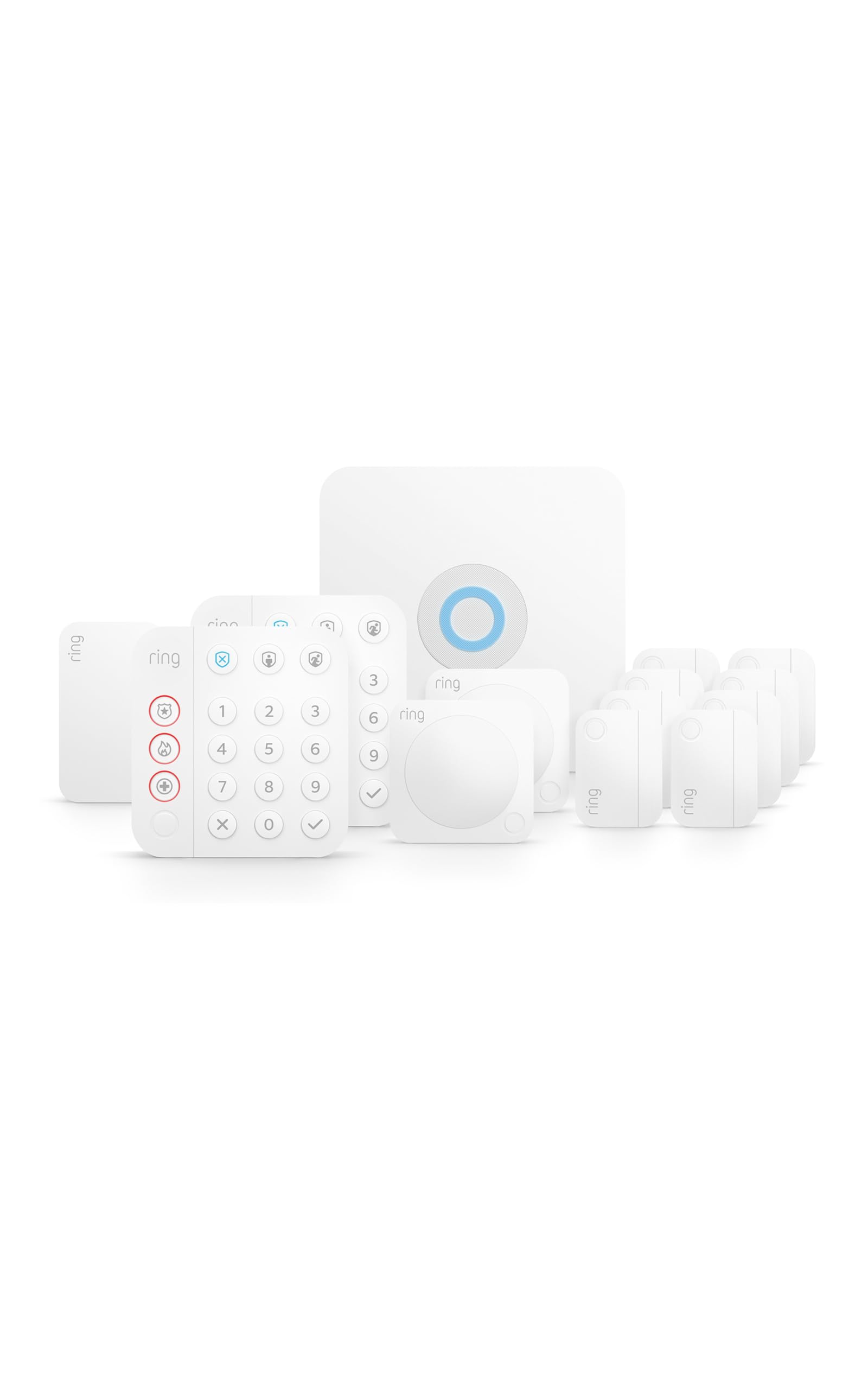
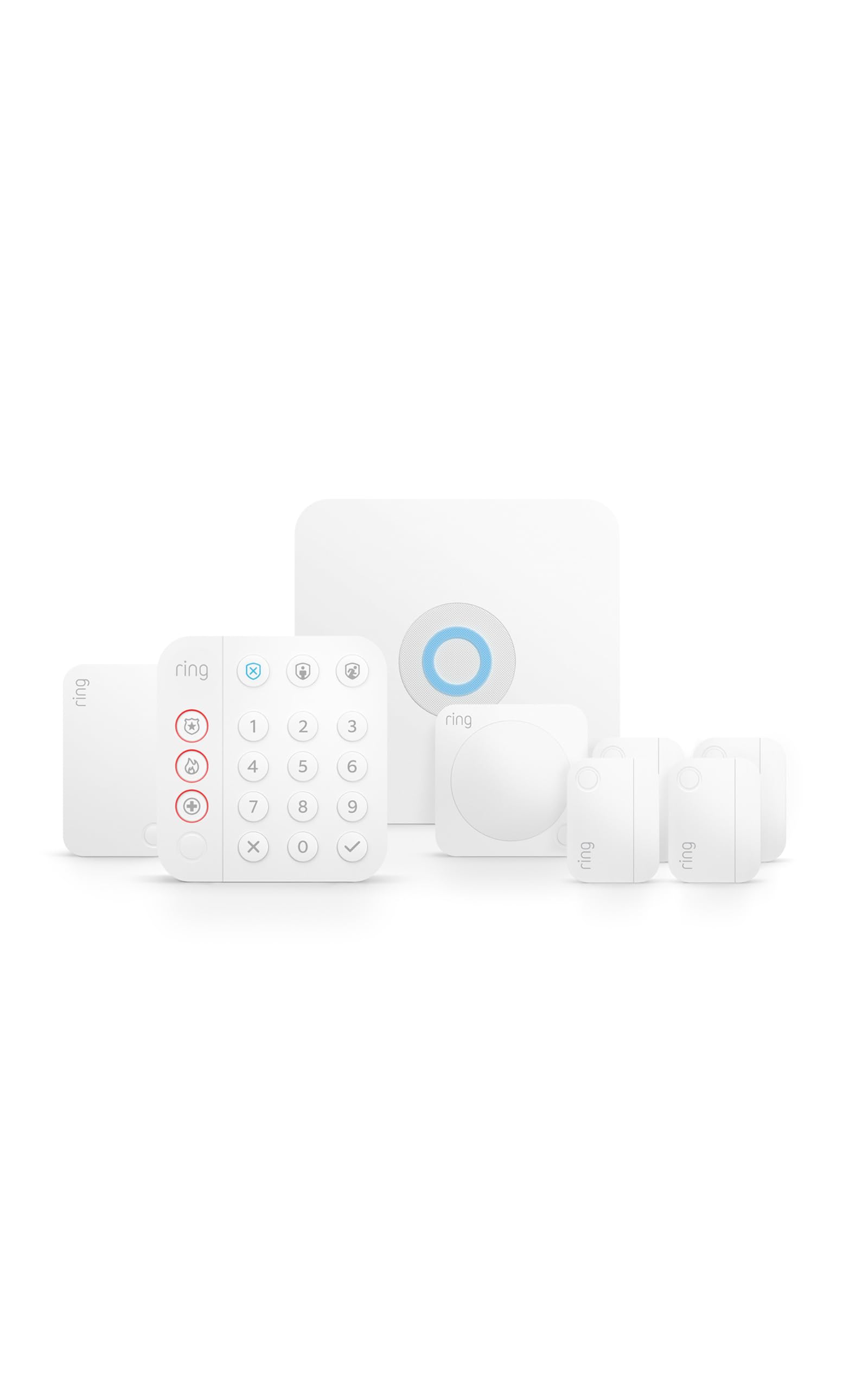
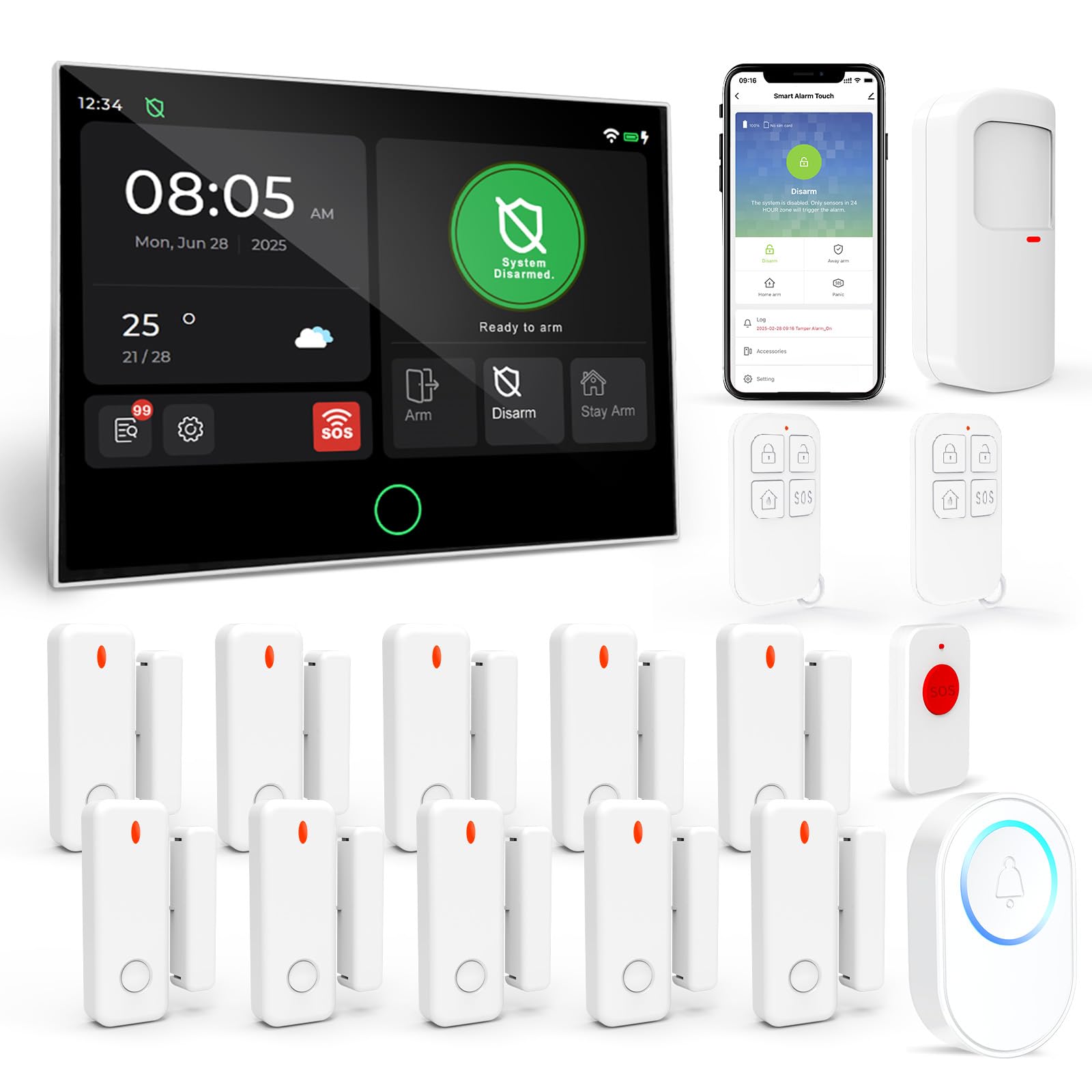
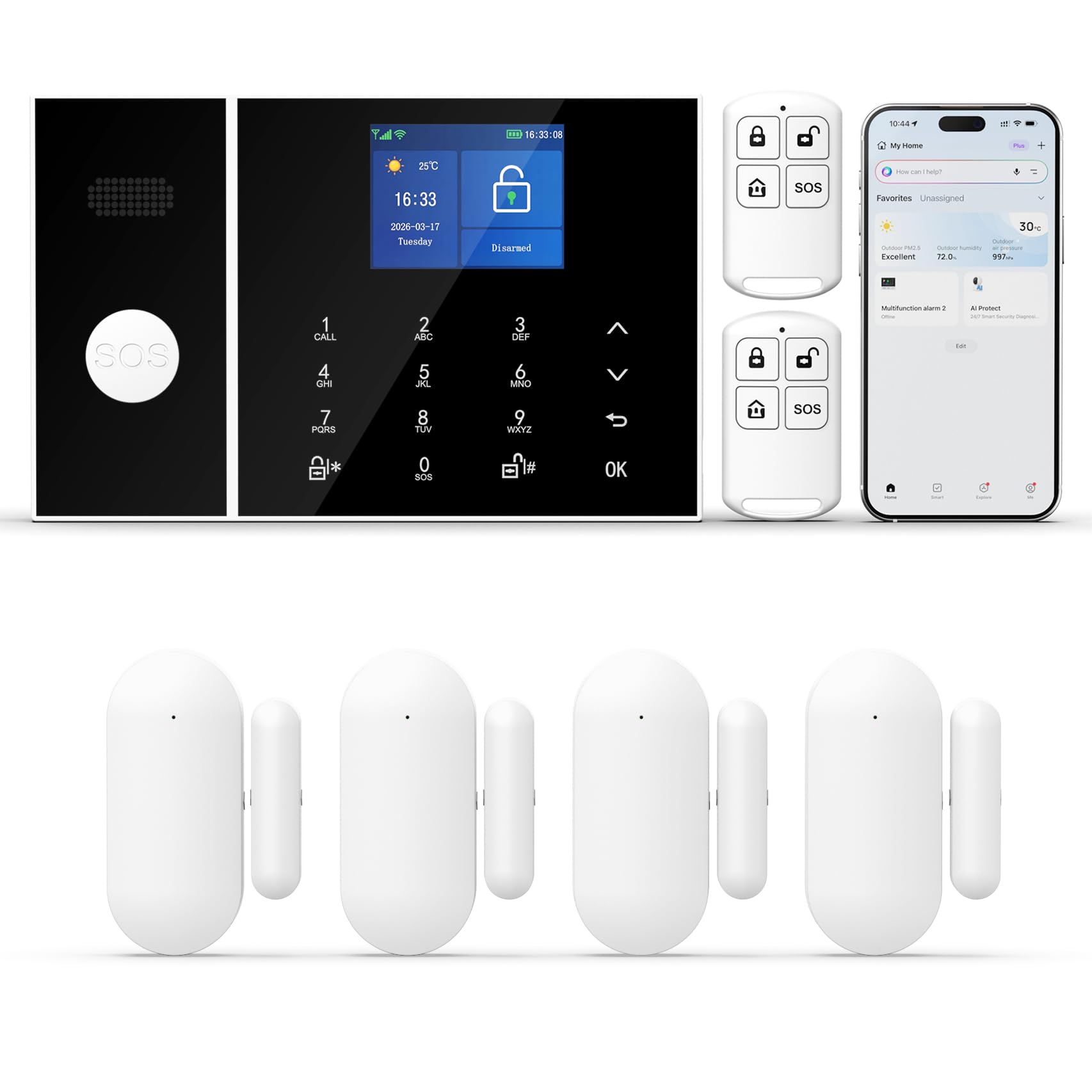
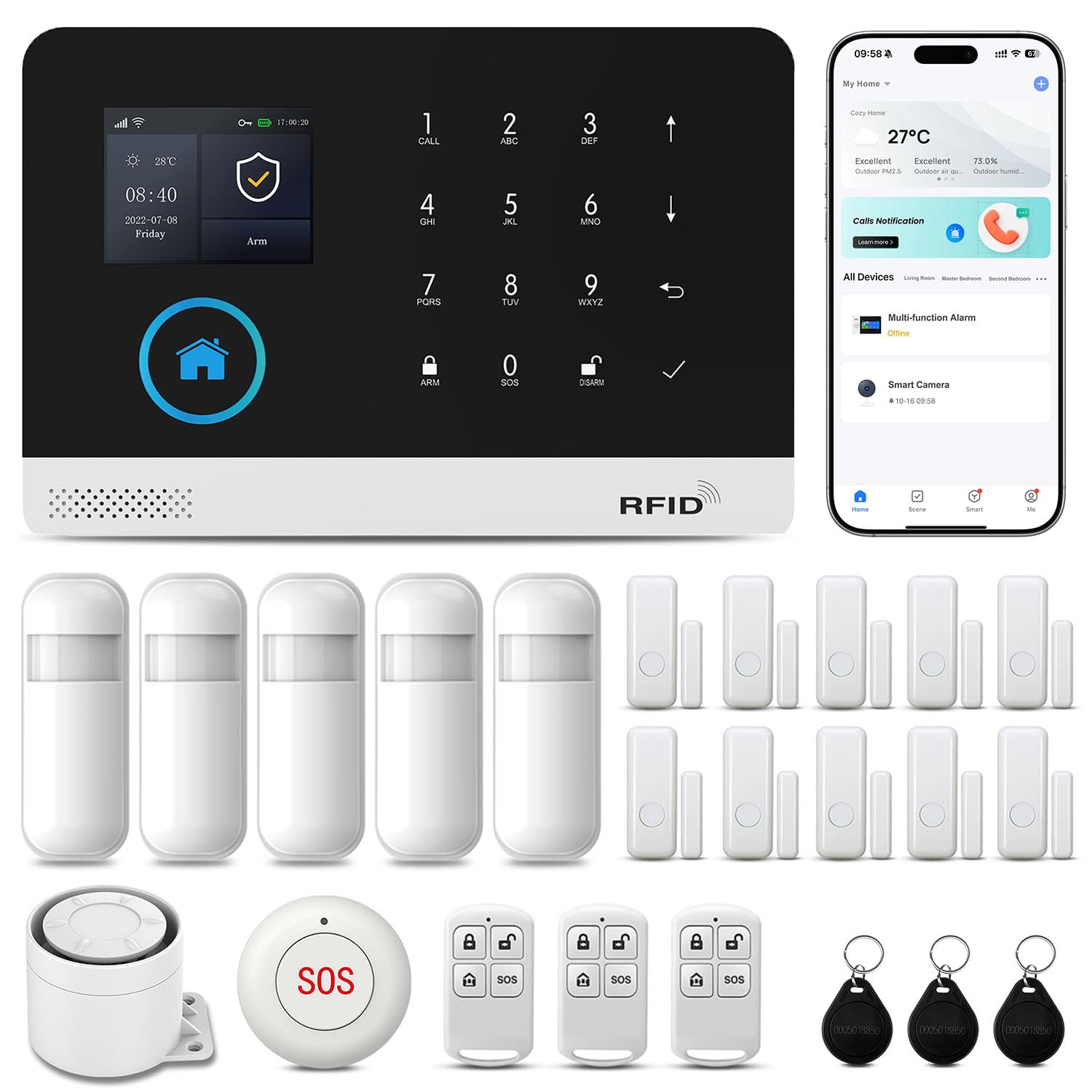
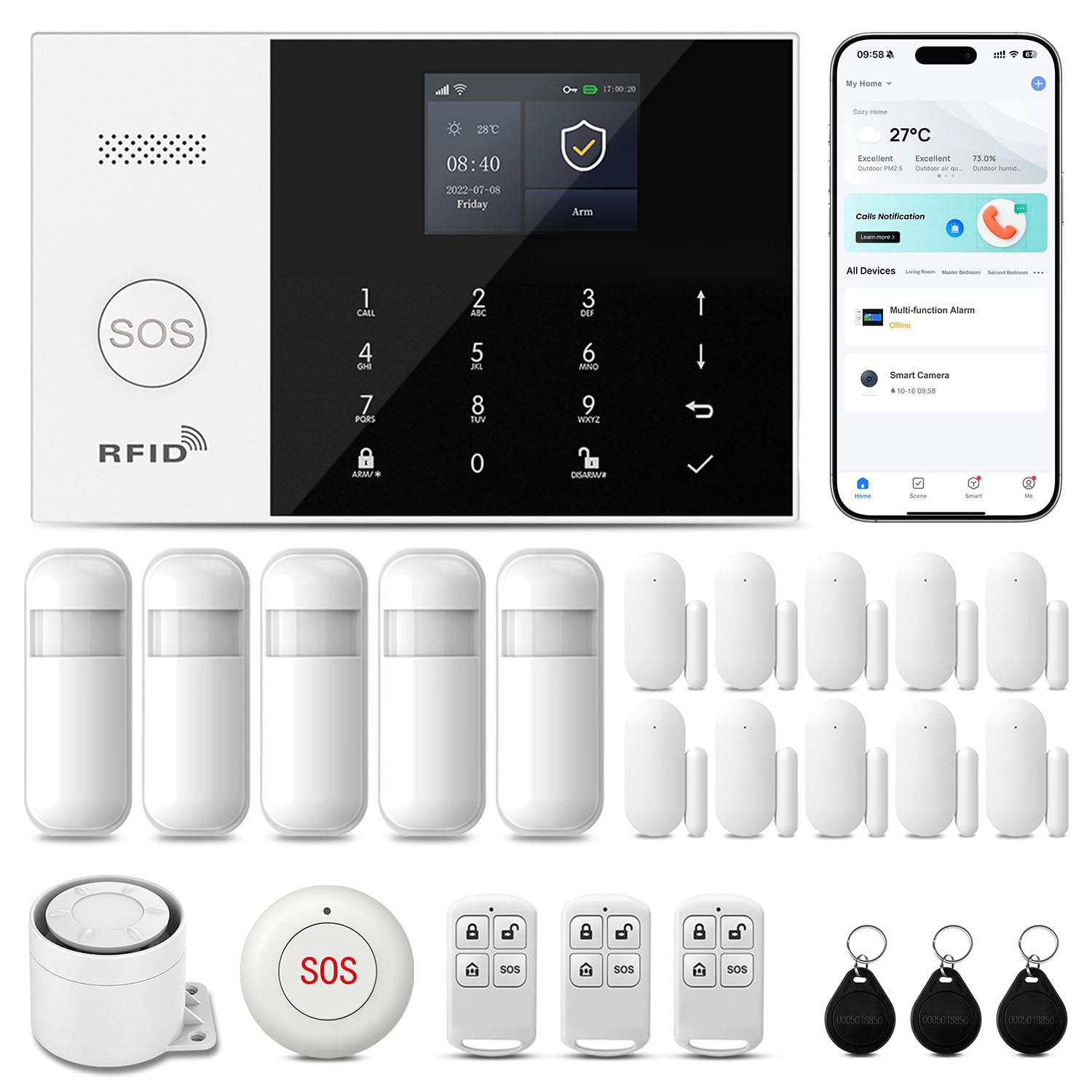
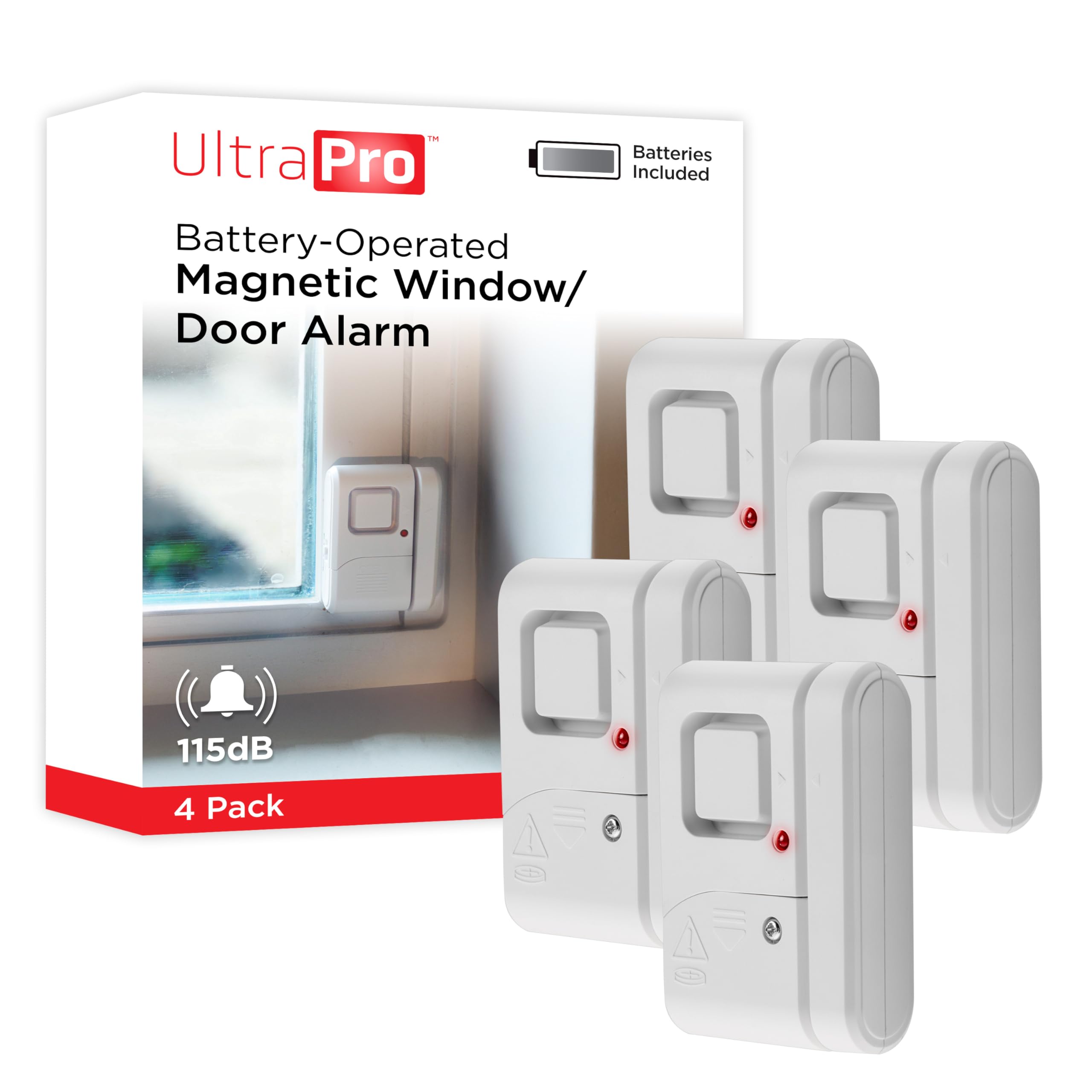
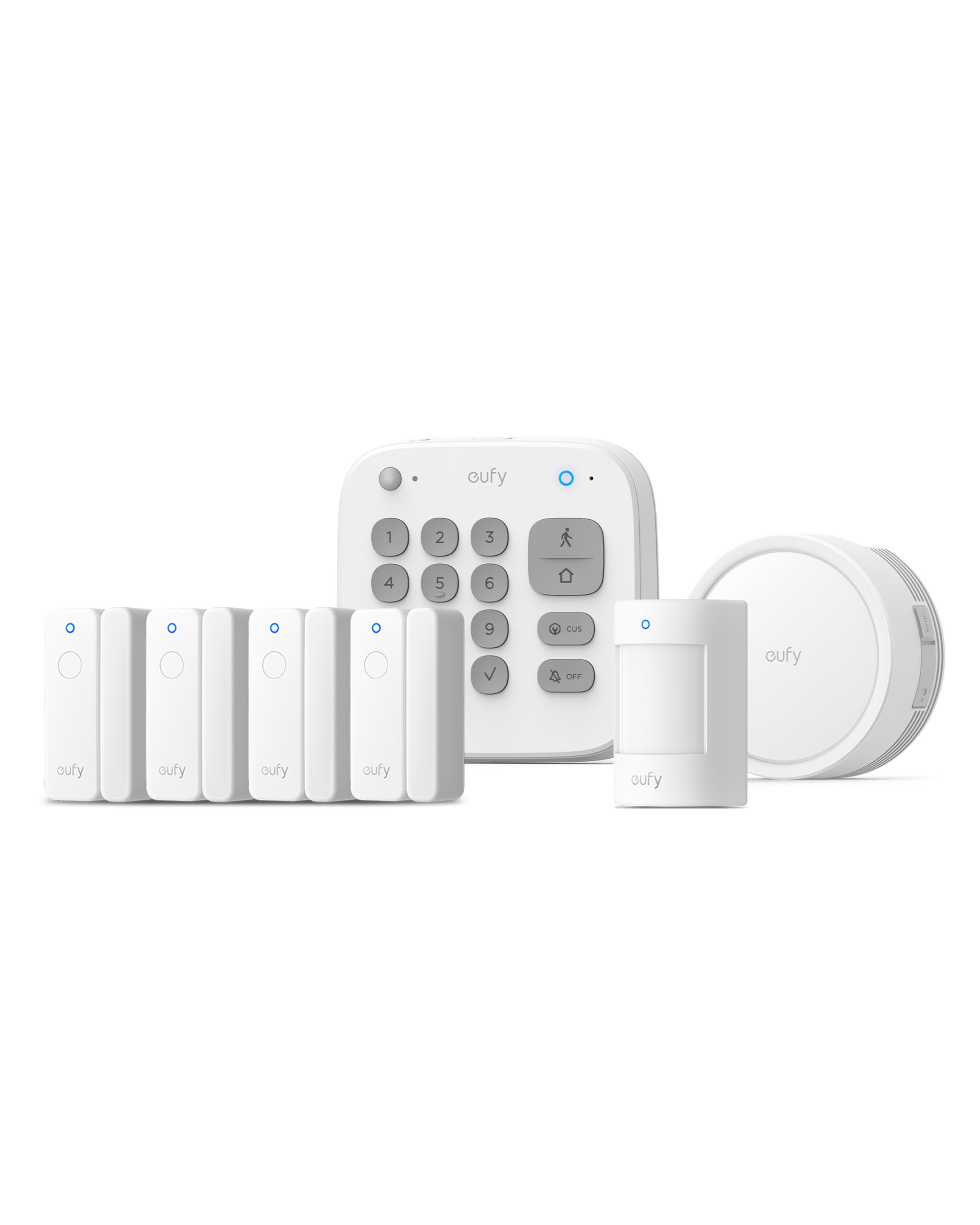
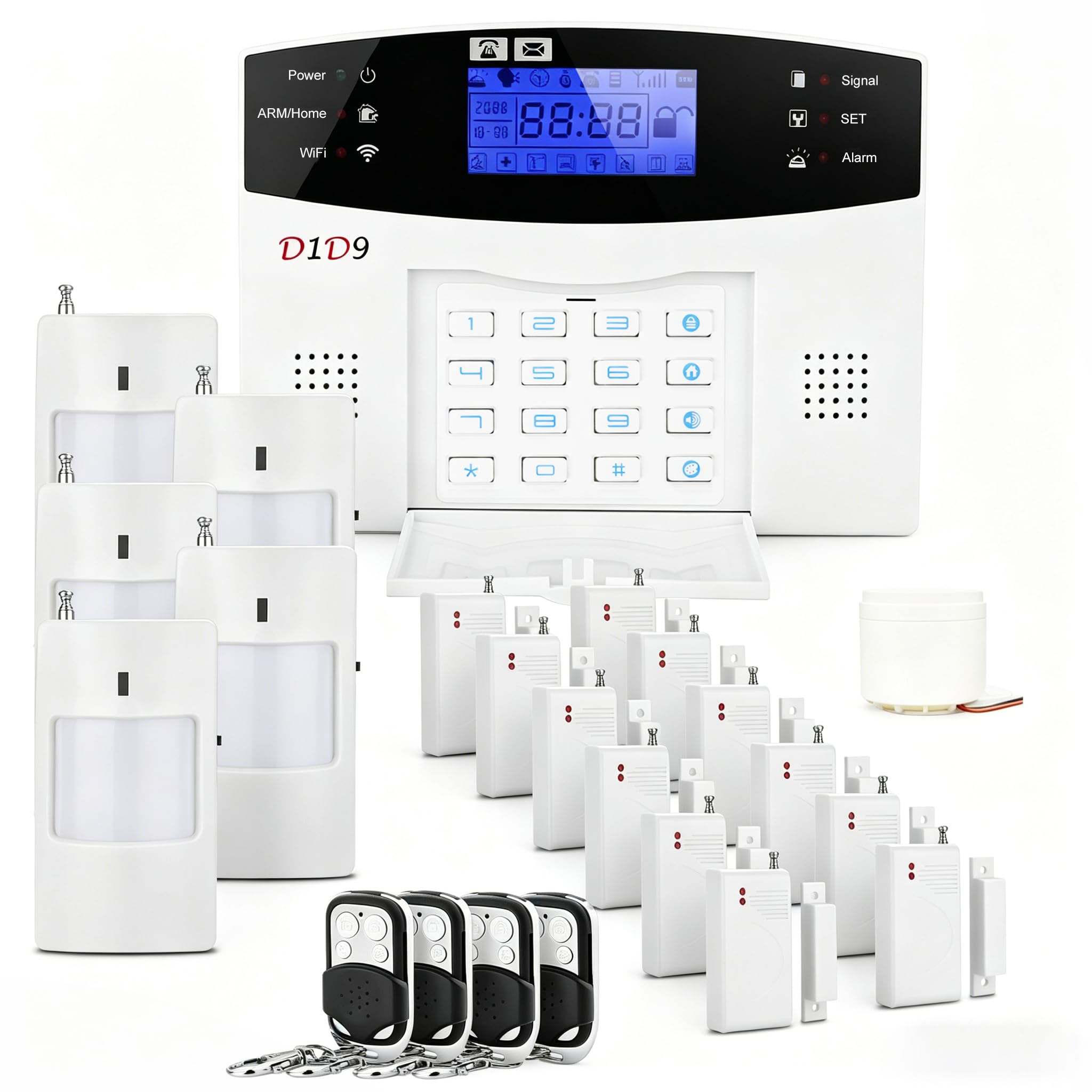
Sensors are cheap and the system around them is what you pay for. A contact sensor on a door and a motion sensor in a corridor cover most of what a domestic intruder does, and a siren that can be heard is still the best deterrent.











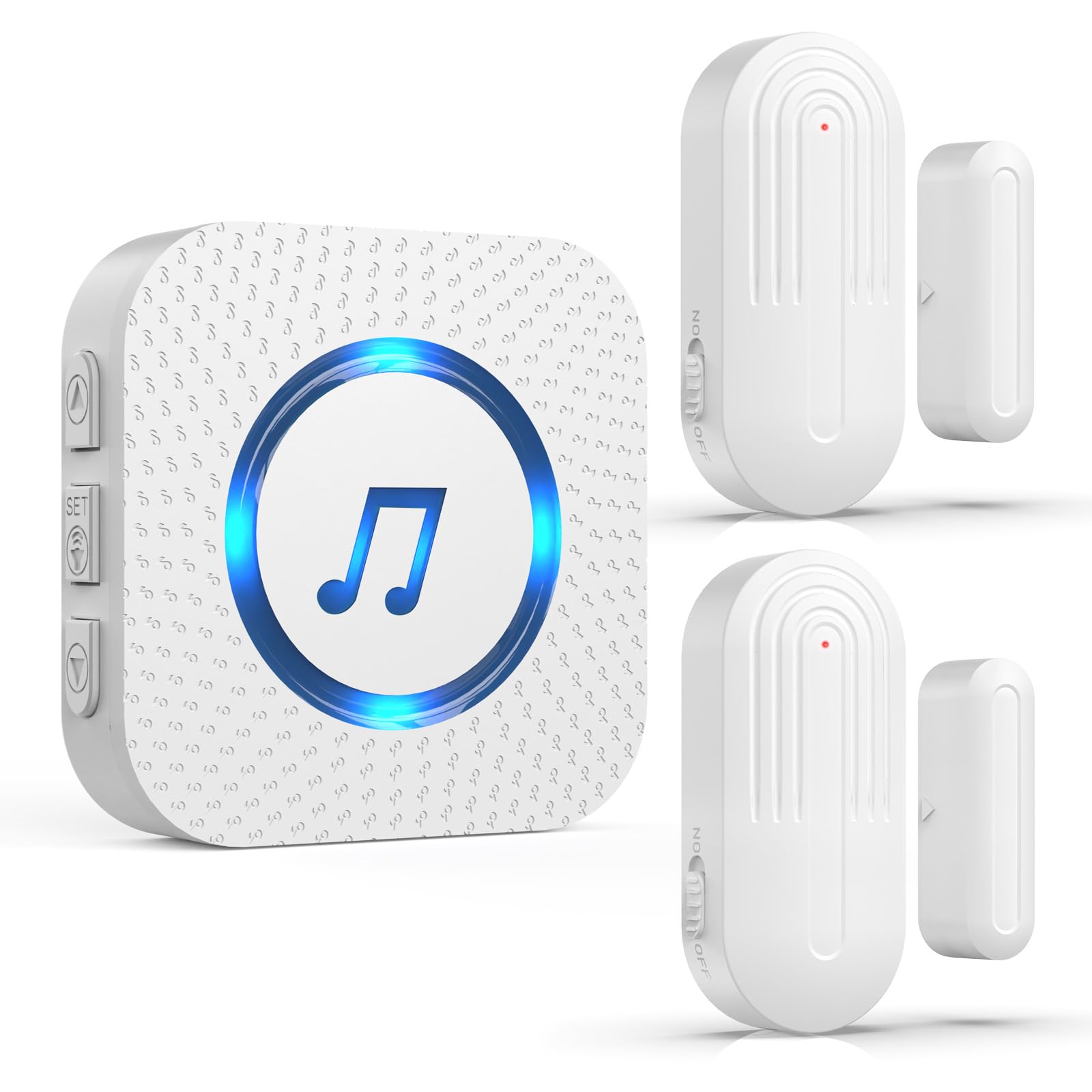

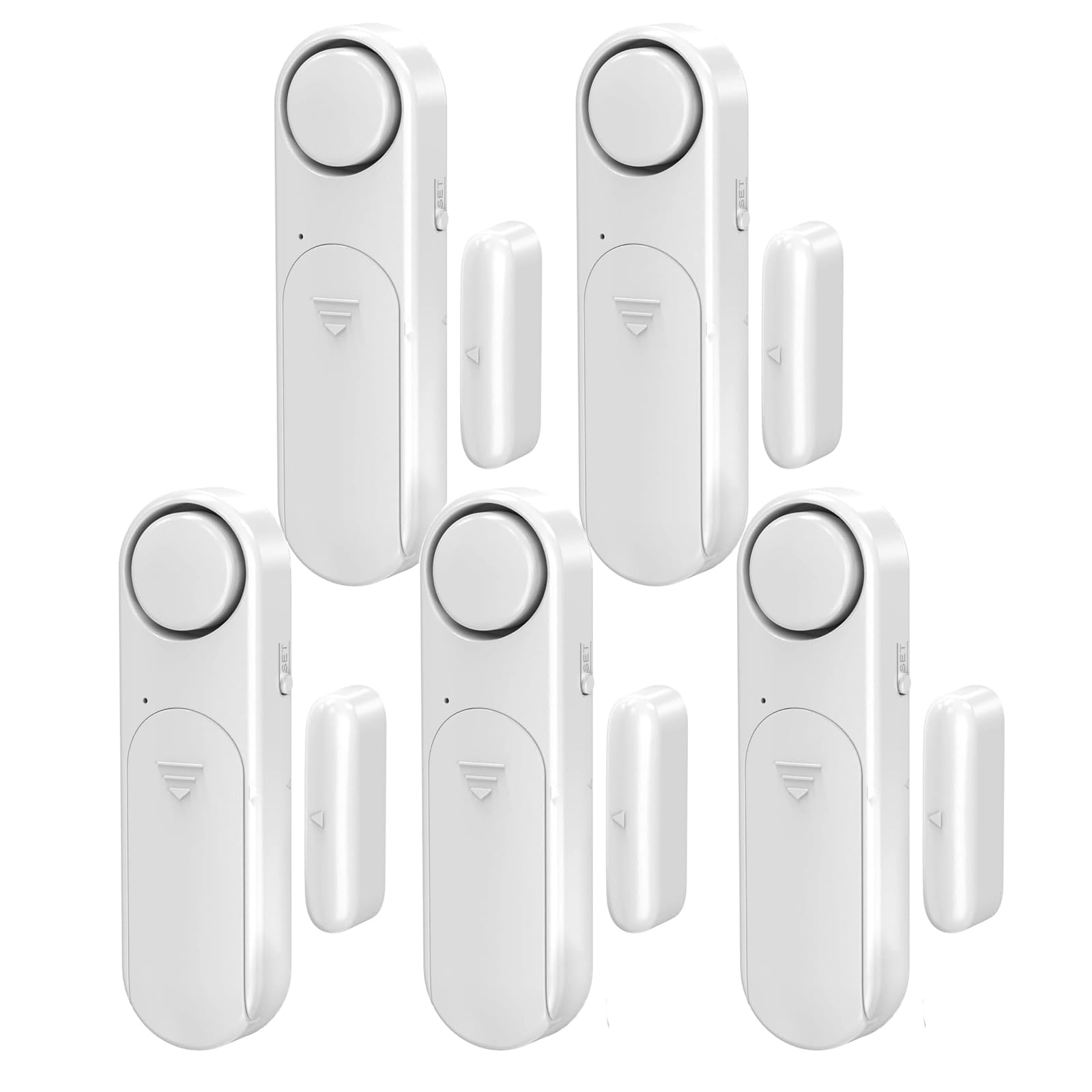


Deter, detect, alert
An alarm system does three jobs in order of value. It deters, because a visible siren box and a door contact are noticed. It detects, because a sensor on the right opening catches the moment something changes. It alerts, because a warning you receive in time is worth more than a recording you review the next morning.
Most cheap systems are good at detecting and weak at alerting. A siren that sounds inside an empty building deters nobody, and an app notification that arrives forty minutes late is a log entry rather than a warning.
Contact, motion and the sensors that matter
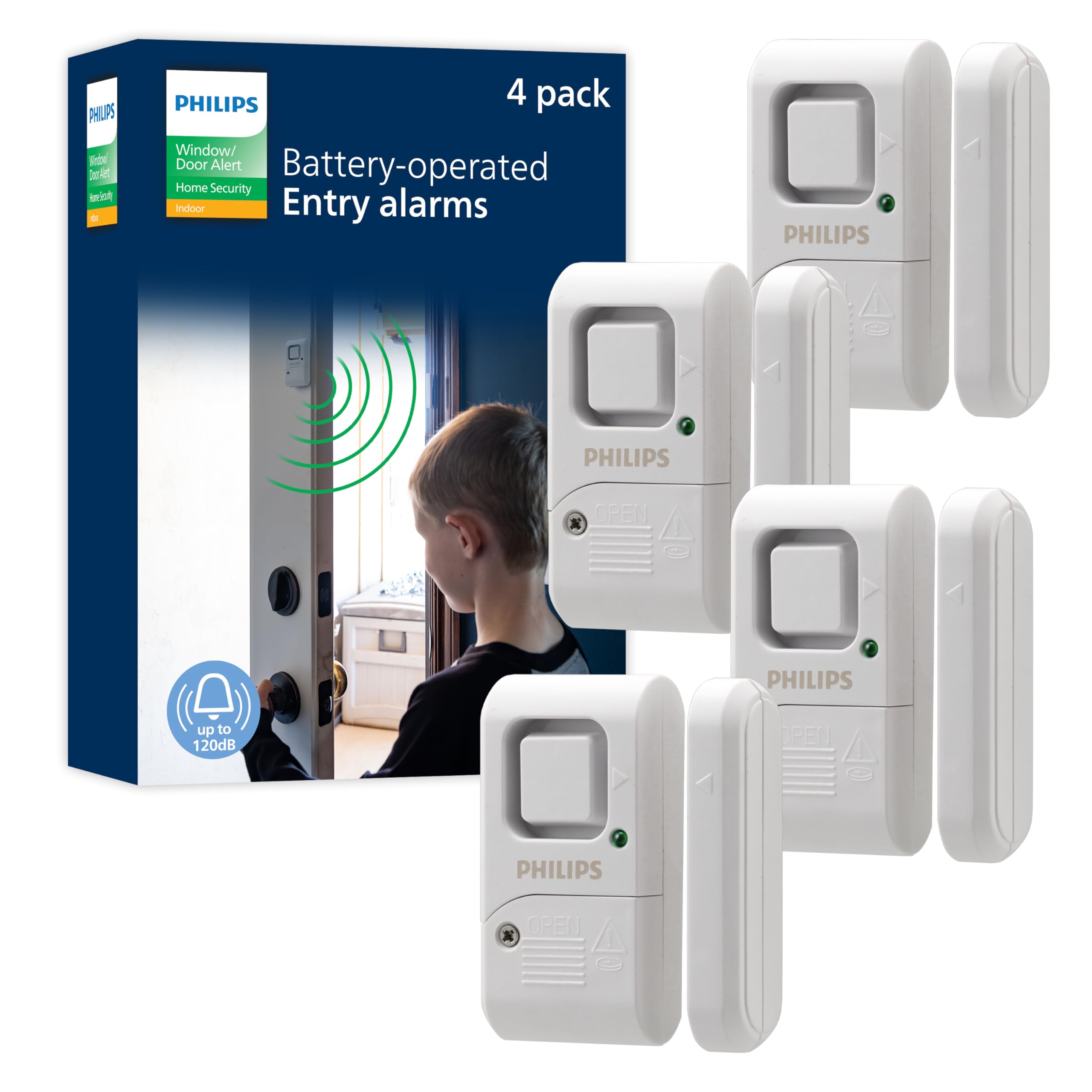
A contact sensor on a door or window reports open and closed. It is cheap, reliable, has no false alarms and tells you exactly which opening was used. If you buy one sensor, buy this one.
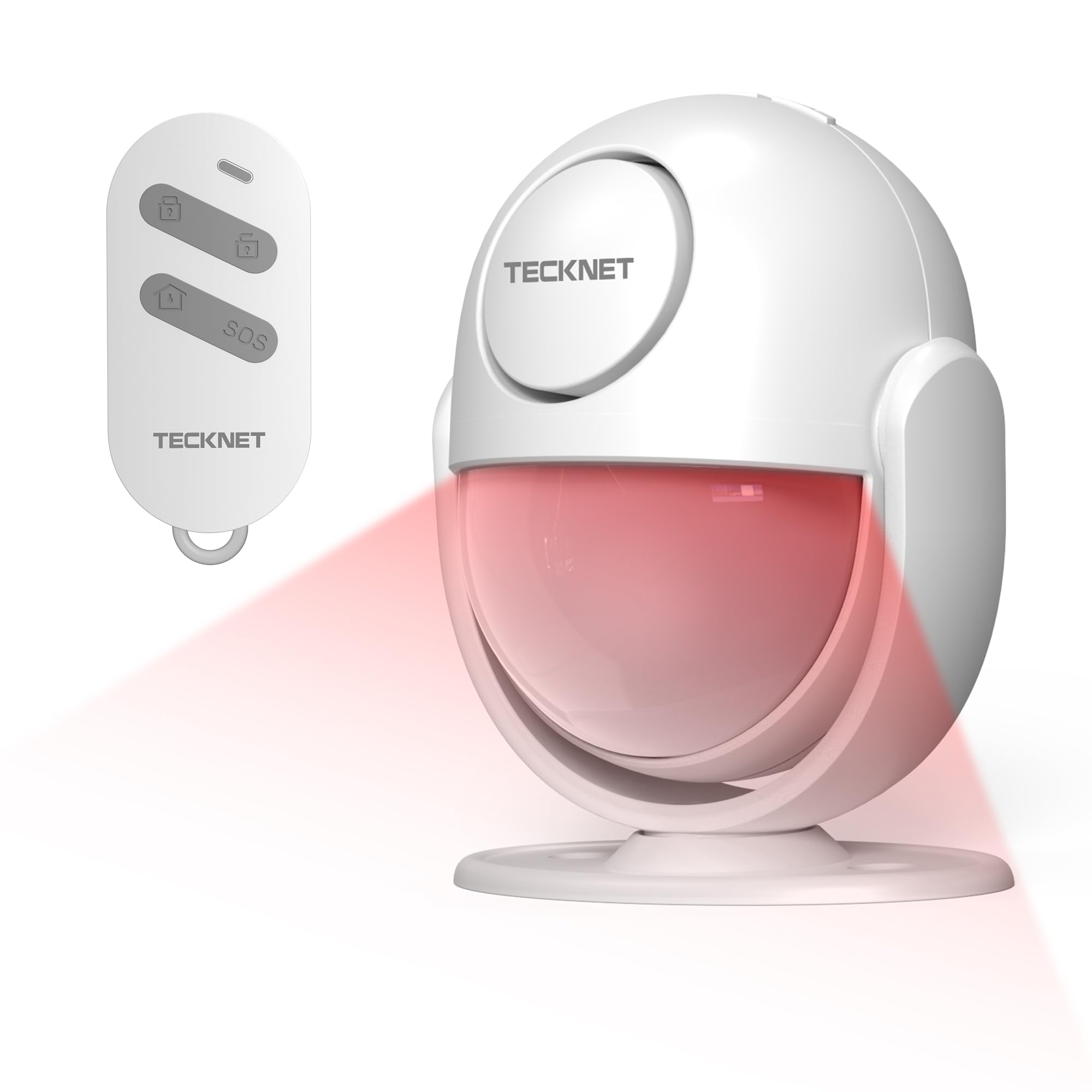
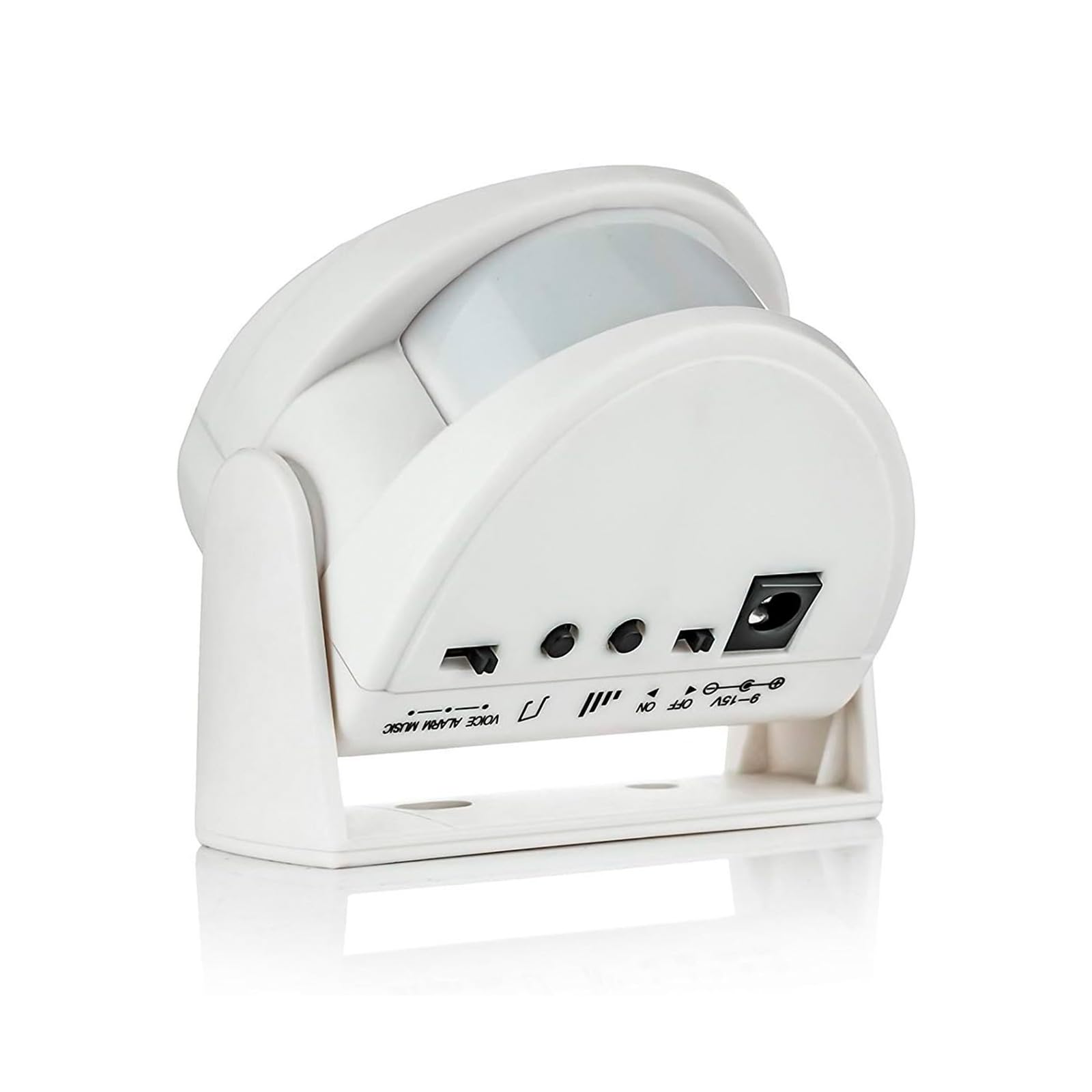
A motion sensor reports movement in a volume of space. It covers a corridor or a room with one device and is the source of most false alarms, because pets, curtains and sunlight through a window all look like movement to a passive infrared sensor. Pet immune versions ignore small animals up to a stated weight.
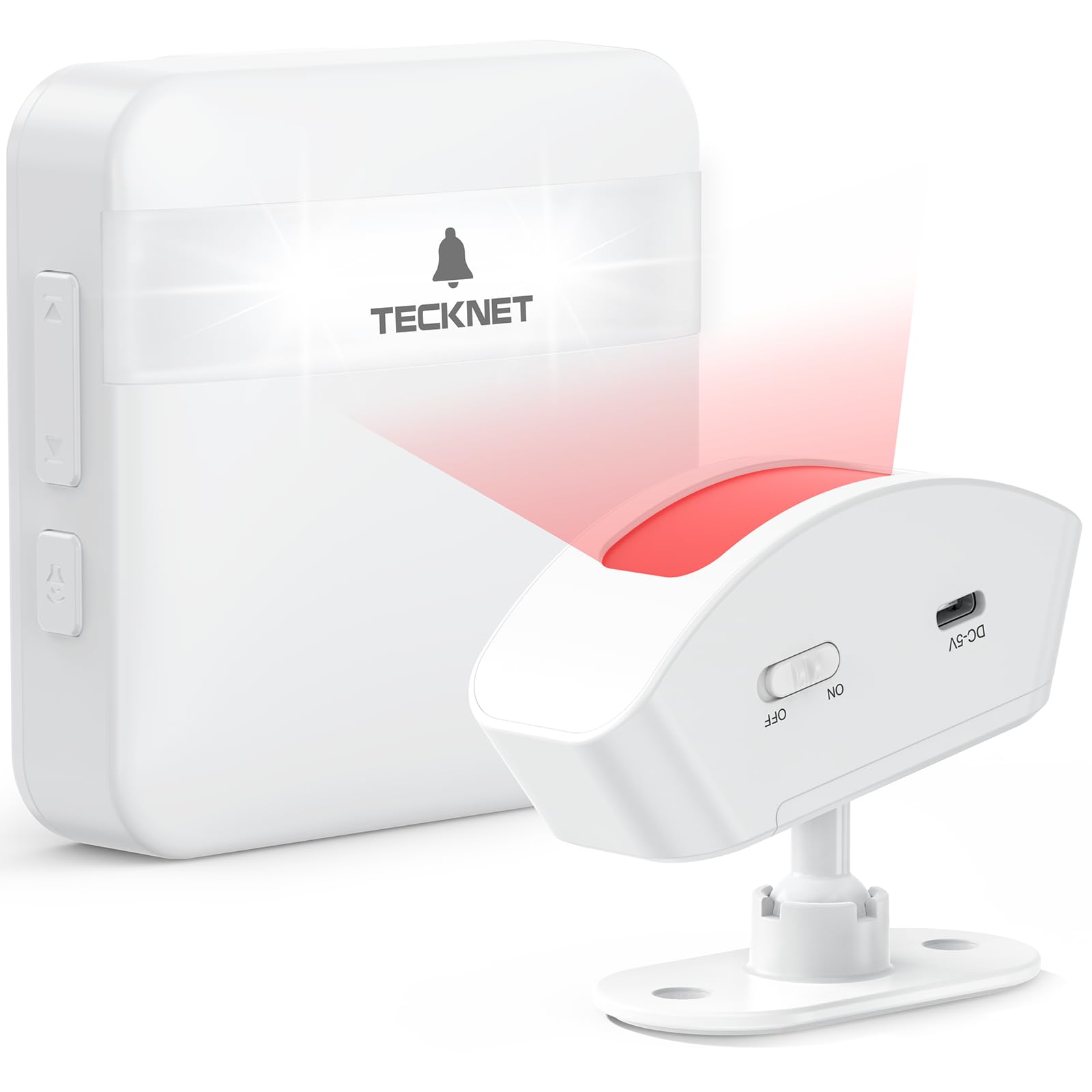
Glass break sensors listen for the frequency of breaking glass rather than the shock of impact, which means a door slam does not set them off. Vibration sensors do the opposite and are cheaper and noisier. Driveway alarms use a beam or a motion detector and are the most useful thing for a rural property with no camera coverage.
Sirens and the notification path
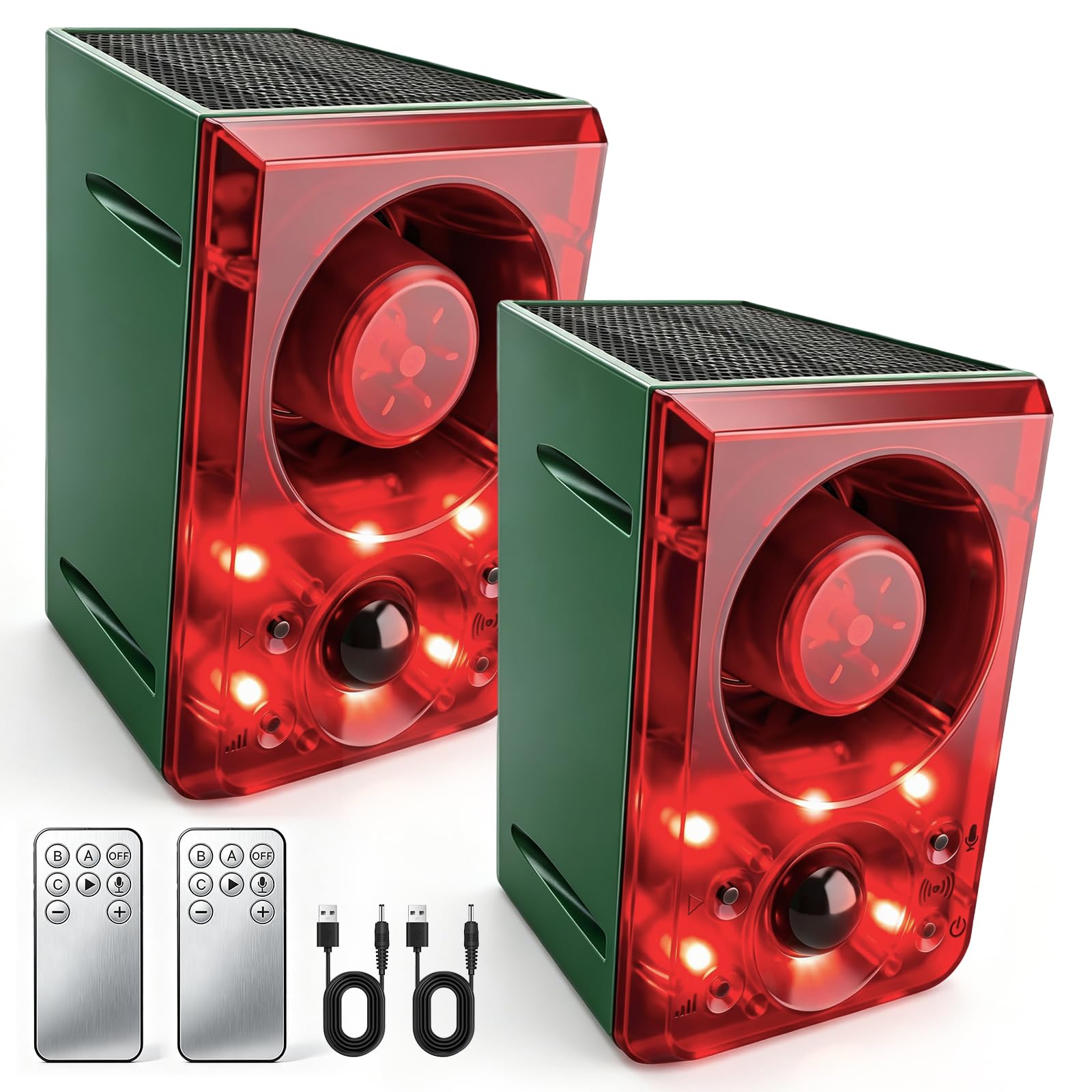
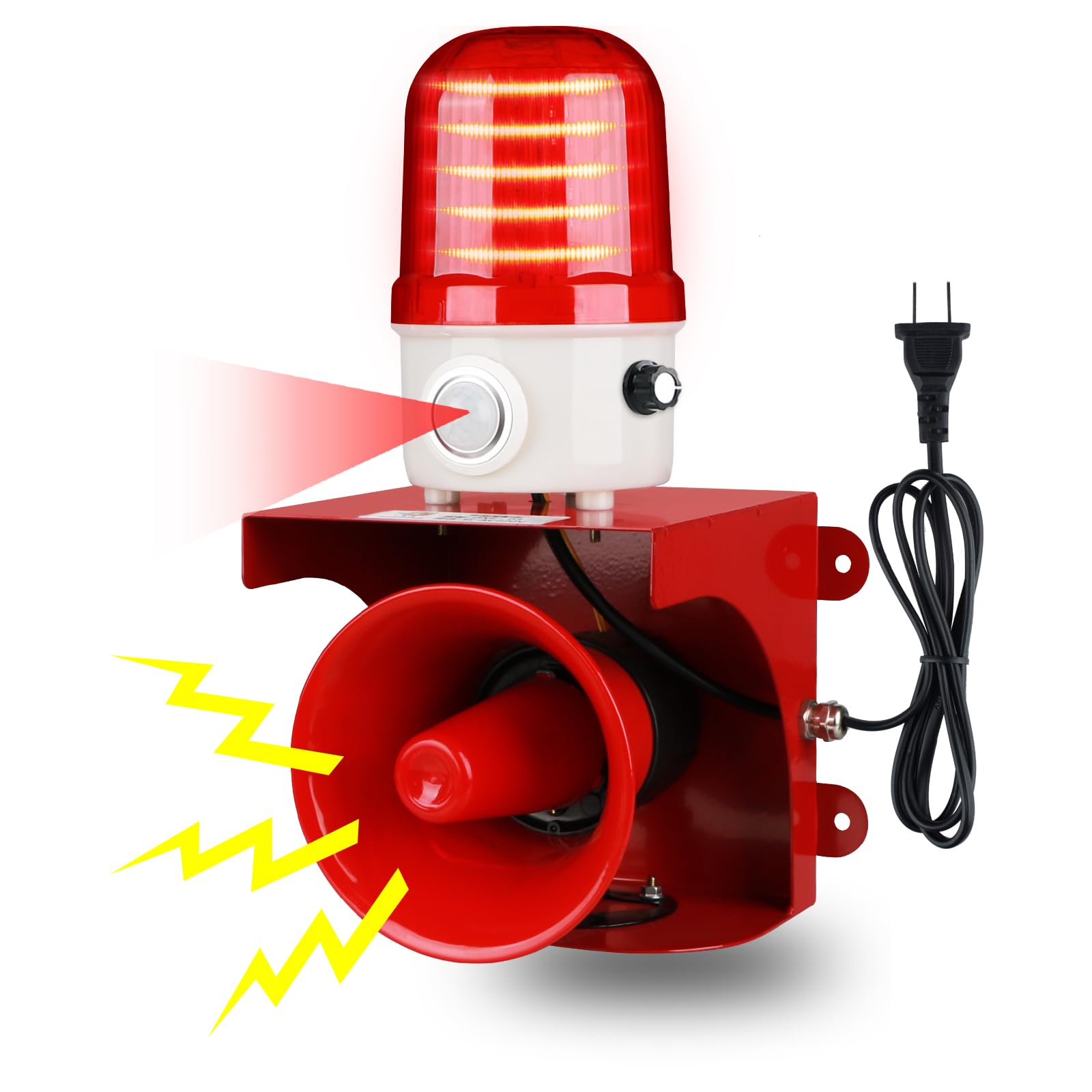
An external siren should be loud, weatherproof and ideally have a strobe. The strobe is the part that works in daylight and the part neighbours notice. An internal siren is for scaring someone who is already inside, which is a different job.
The notification path is where systems differ most. A hub that connects to Wi-Fi and pushes to a phone is the modern default. It depends on your internet, and on the power staying on. A system with a battery backup and a cellular path costs more and keeps working when both fail, which is exactly when a burglar expects the alarm to be dead.
False alarms and the pet problem
Two motion sensors aimed at the same corridor double the chance of a false alarm without adding coverage. Place sensors to look across a path of approach rather than along it, keep them away from heat sources and windows, and mount them at the recommended height rather than wherever the cable reaches.
Pets under 20 kg are usually ignored by pet immune sensors. Larger dogs are not, and the answer then is contact sensors on every opening plus motion sensors only in rooms the dog cannot reach.
Power, connectivity and what happens in a cut
Mains powered hubs with a battery backup survive a short outage. Battery only sensors last one to three years on a cell, and the system should tell you when one is low rather than waiting for a failure. Check whether the siren has its own battery, because a siren that needs mains power is a siren that stops when the power does.
Range is the other quiet failure. A hub at one end of a warehouse and a sensor at the other may be within the advertised range and still fail through two walls. Repeaters or a mesh protocol solve it, and the listing usually mentions whether the system supports them.
Where alarms fit with cameras
A sensor tells you something happened. A camera tells you what it was. For most homes, sensors on the openings plus one camera covering the entrance is a better spend than six cameras covering empty rooms. For a shop or a warehouse, a CCTV system with a recorder and a few sensors on the rear door covers both evidence and warning, and a video doorbell handles the front during opening hours.