
Collection
Security cameras
A camera earns its place on three things: a sensor that still reads a face after dark, a recording path that survives a power or internet cut, and a mount that points where you need it. Resolution is the easiest number to sell and the least useful on its own.




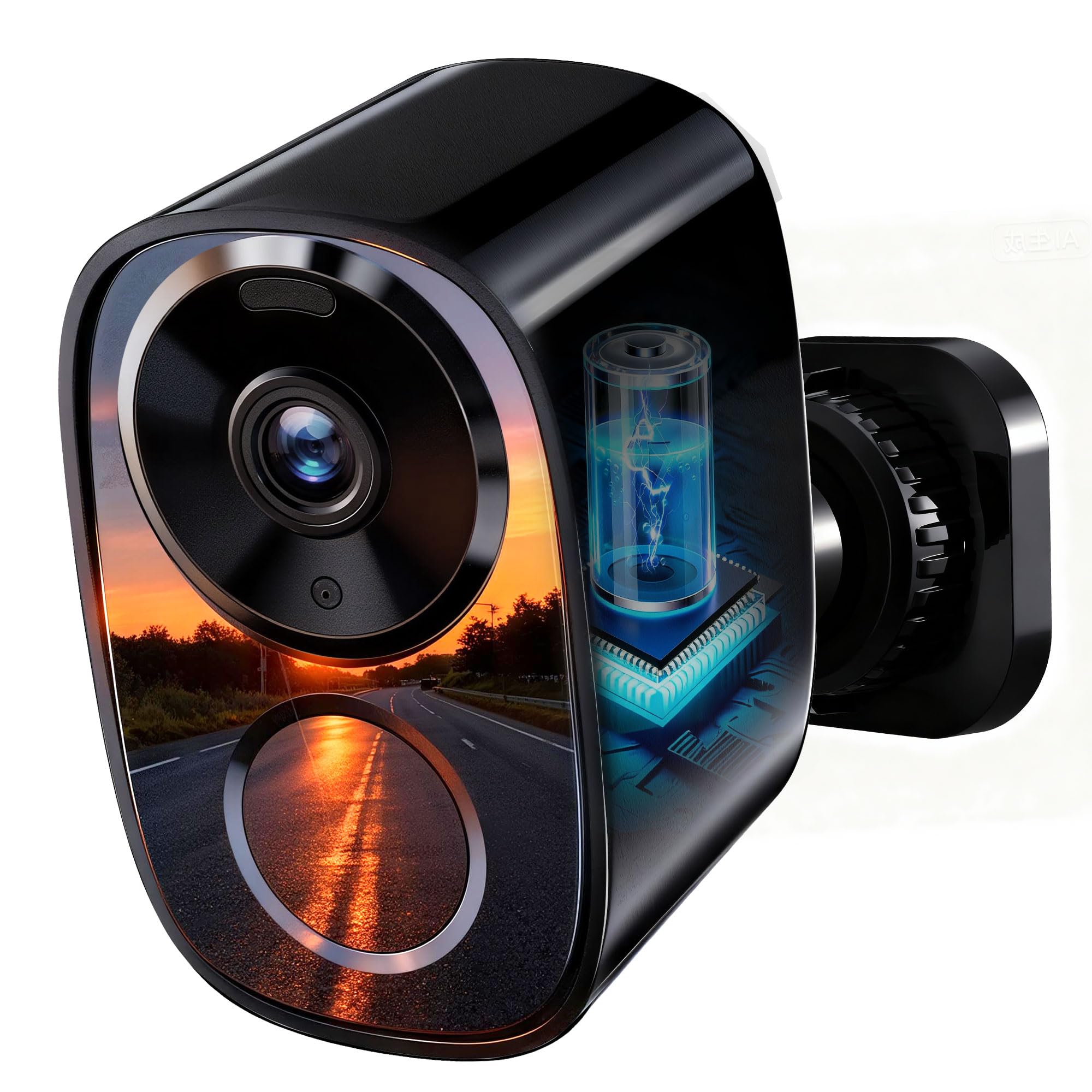
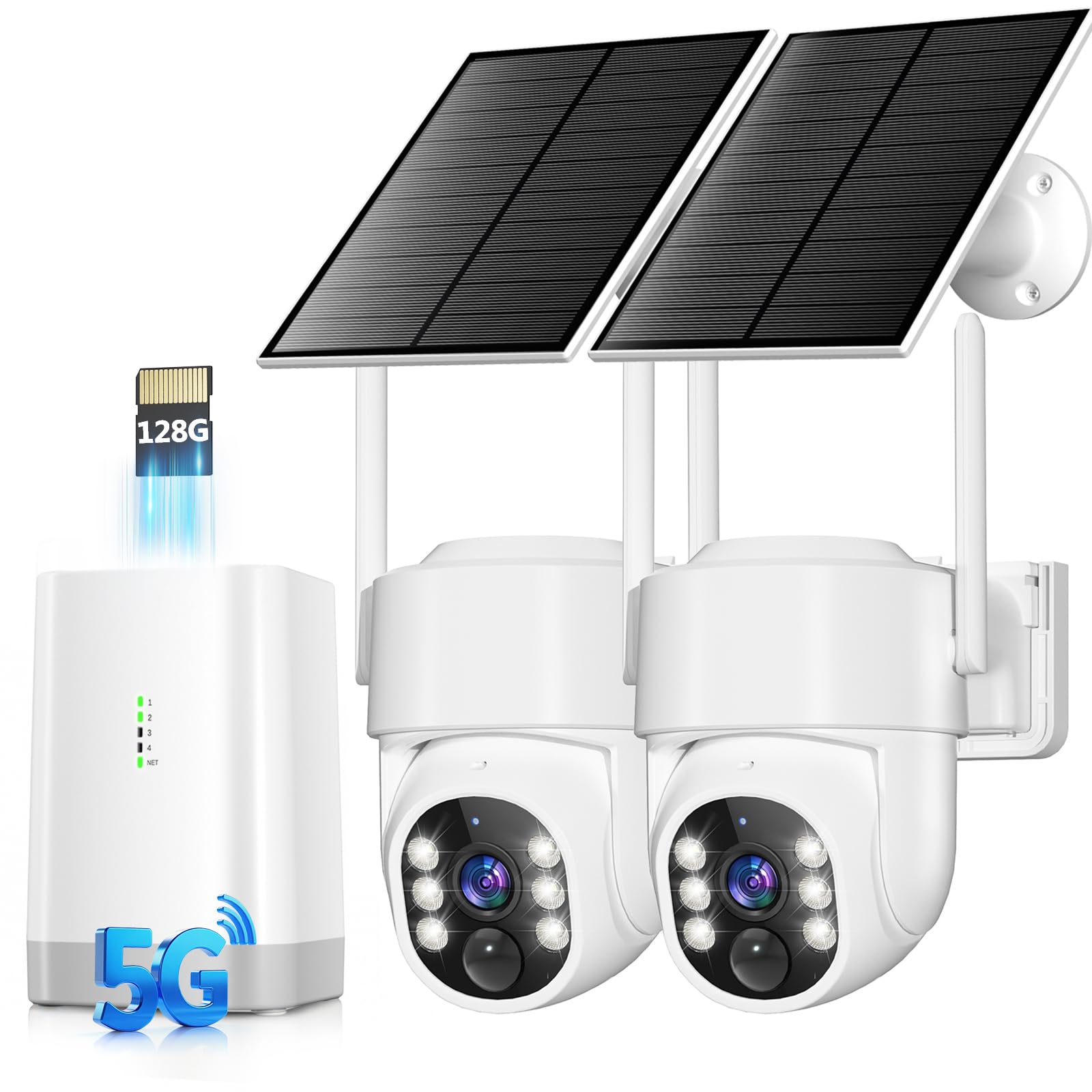


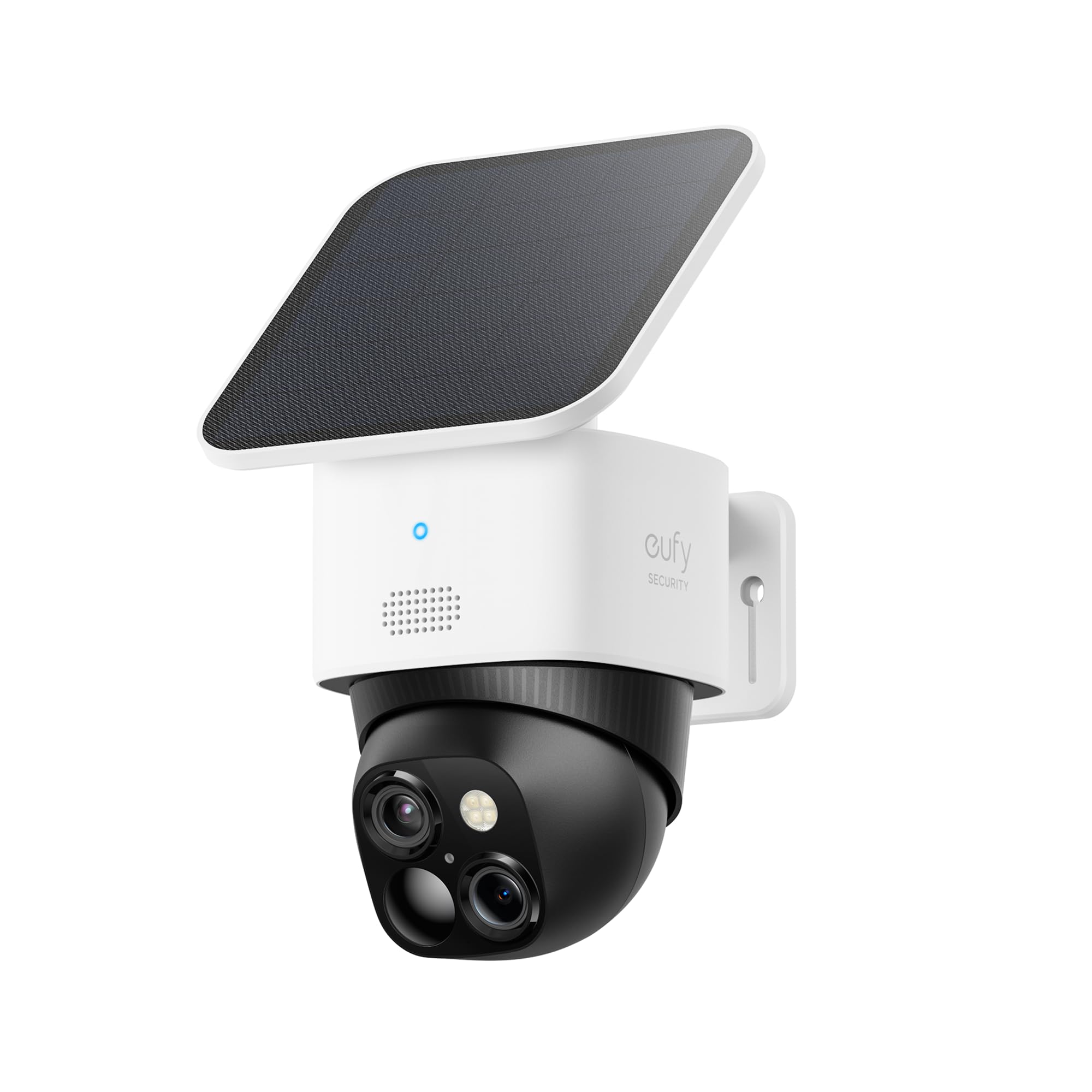
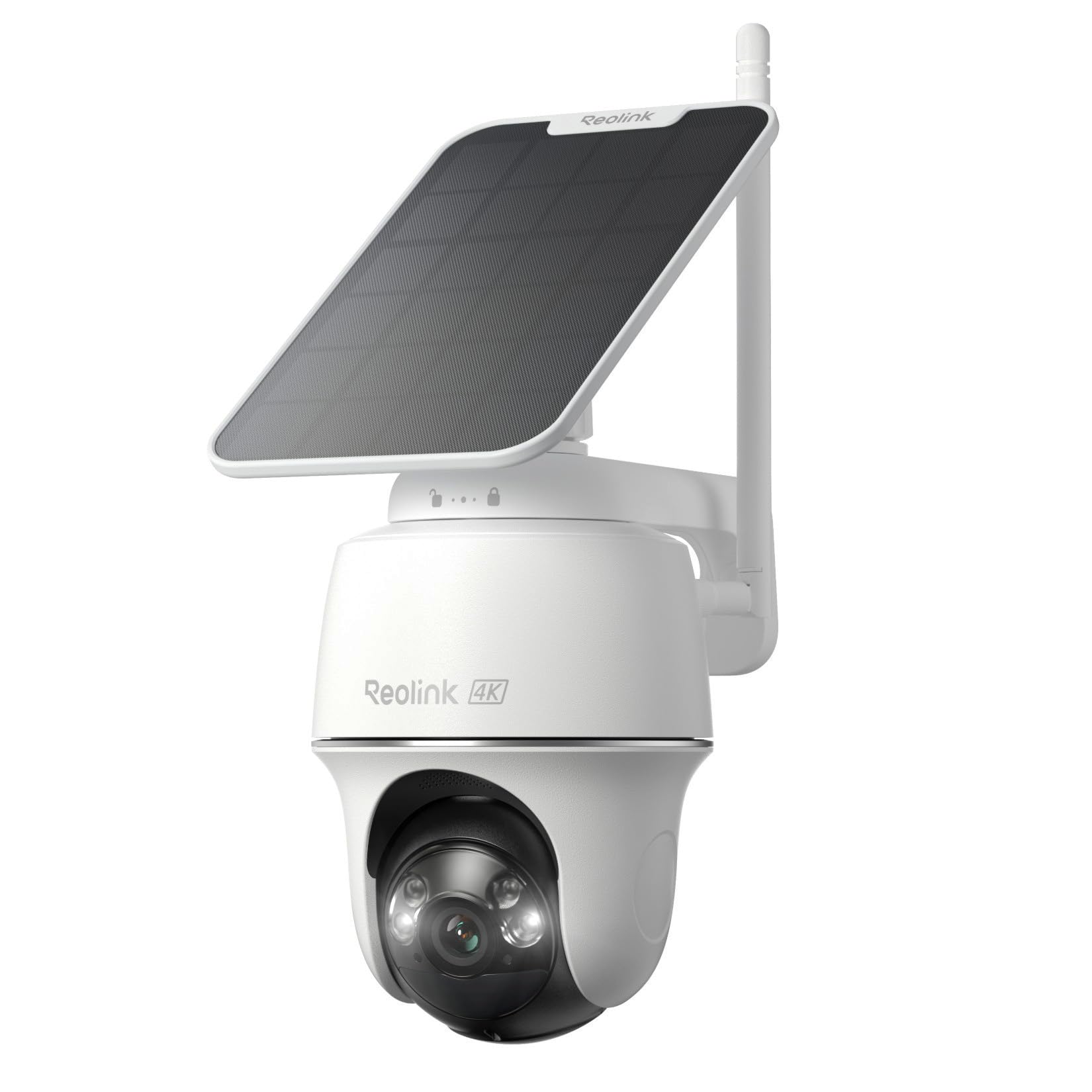

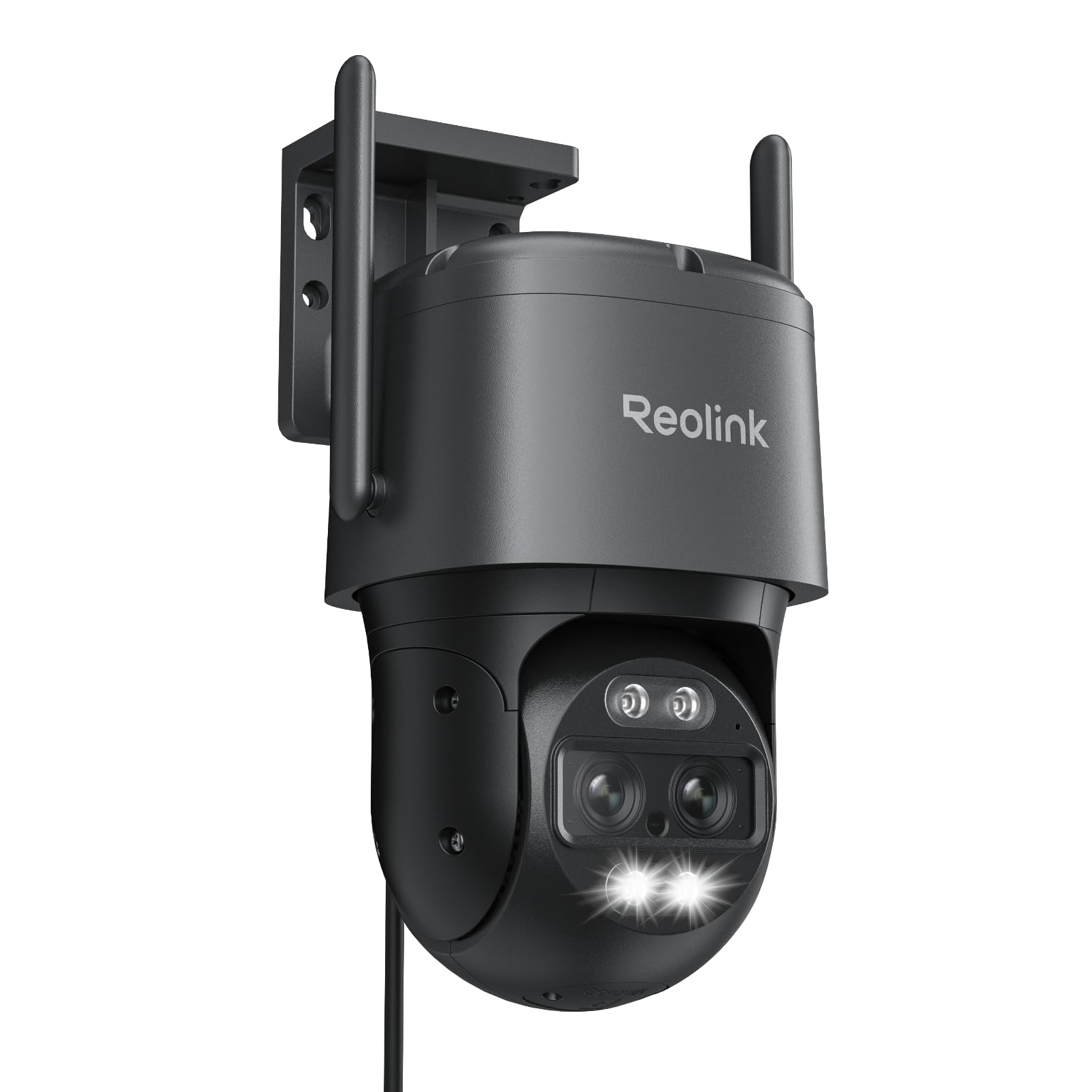
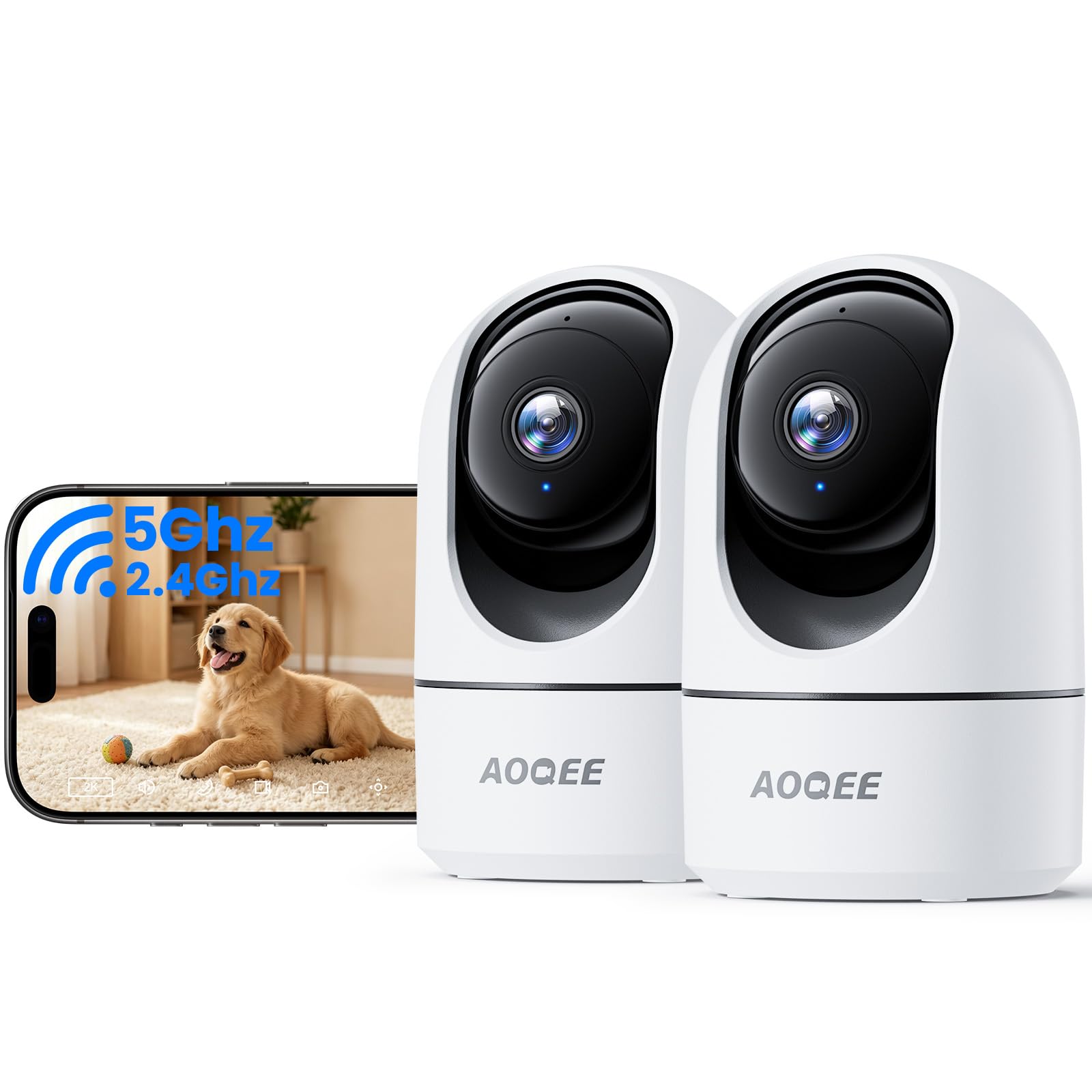
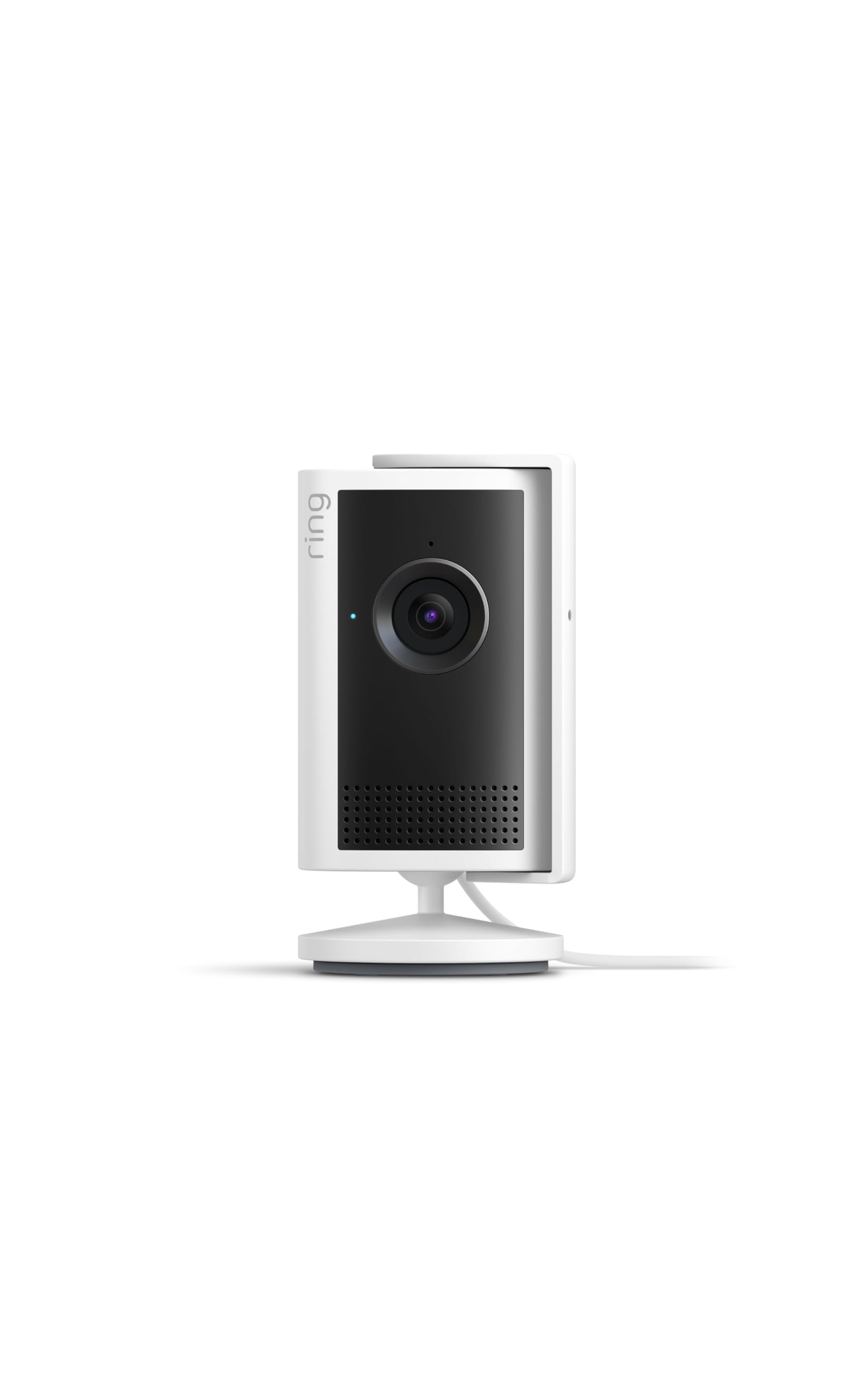
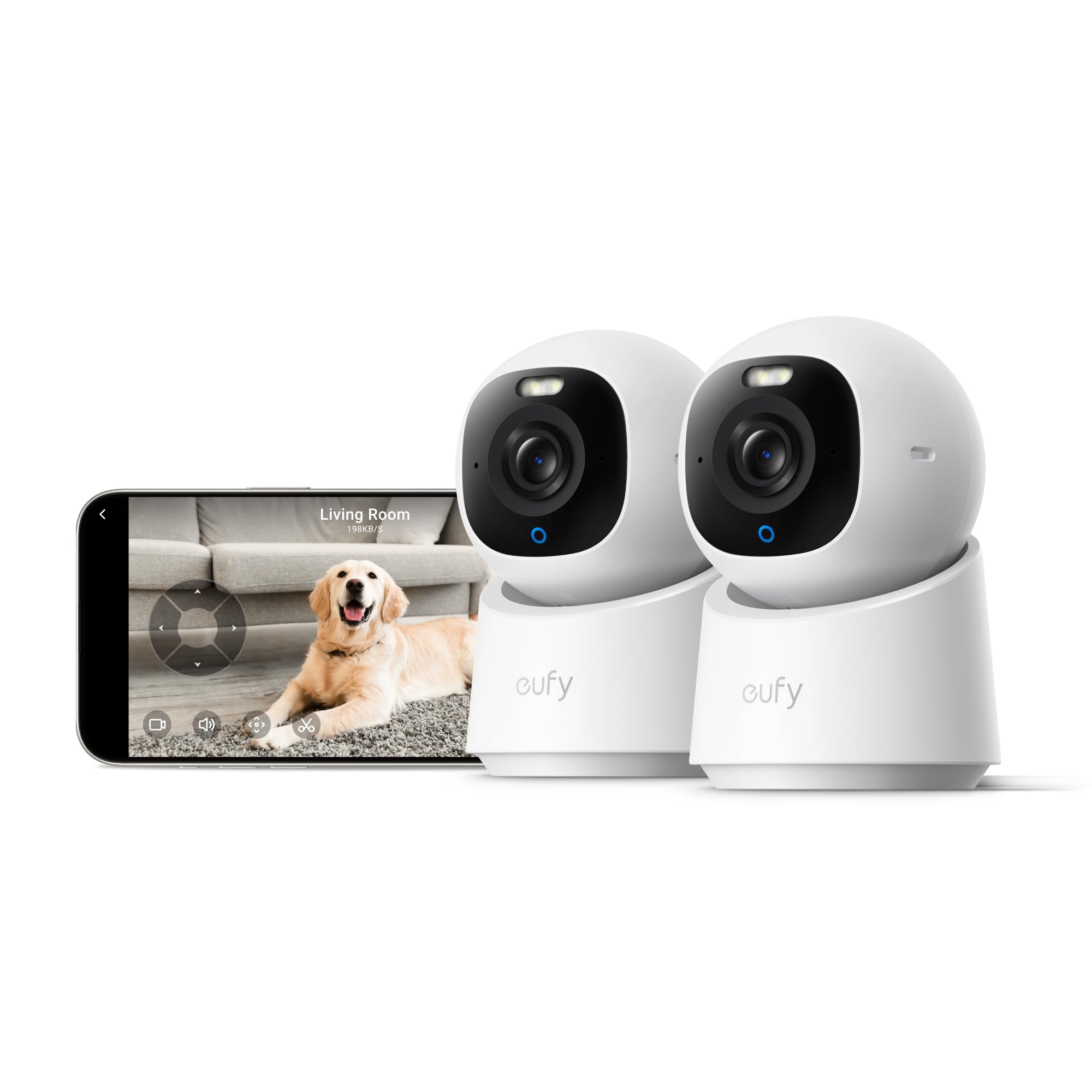

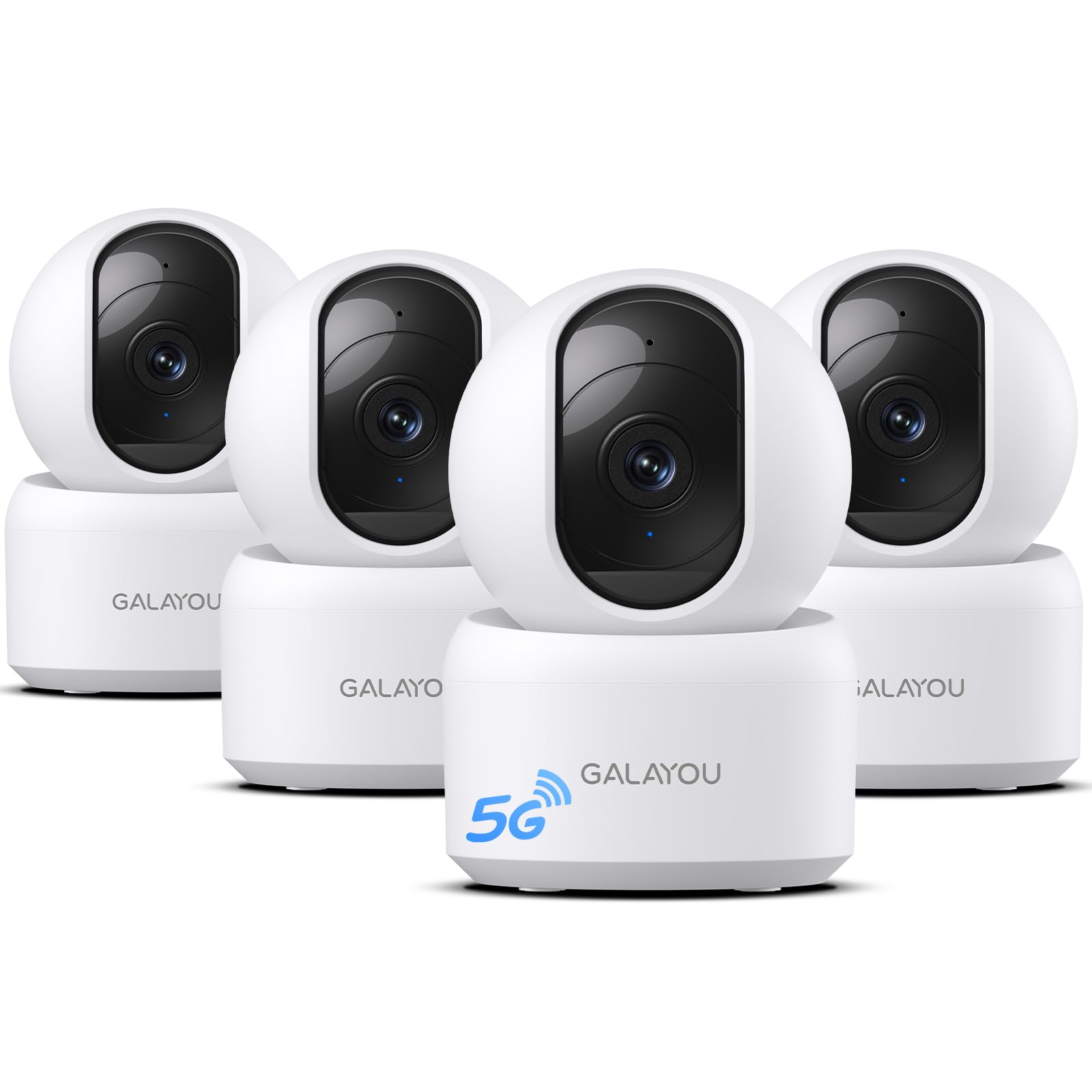

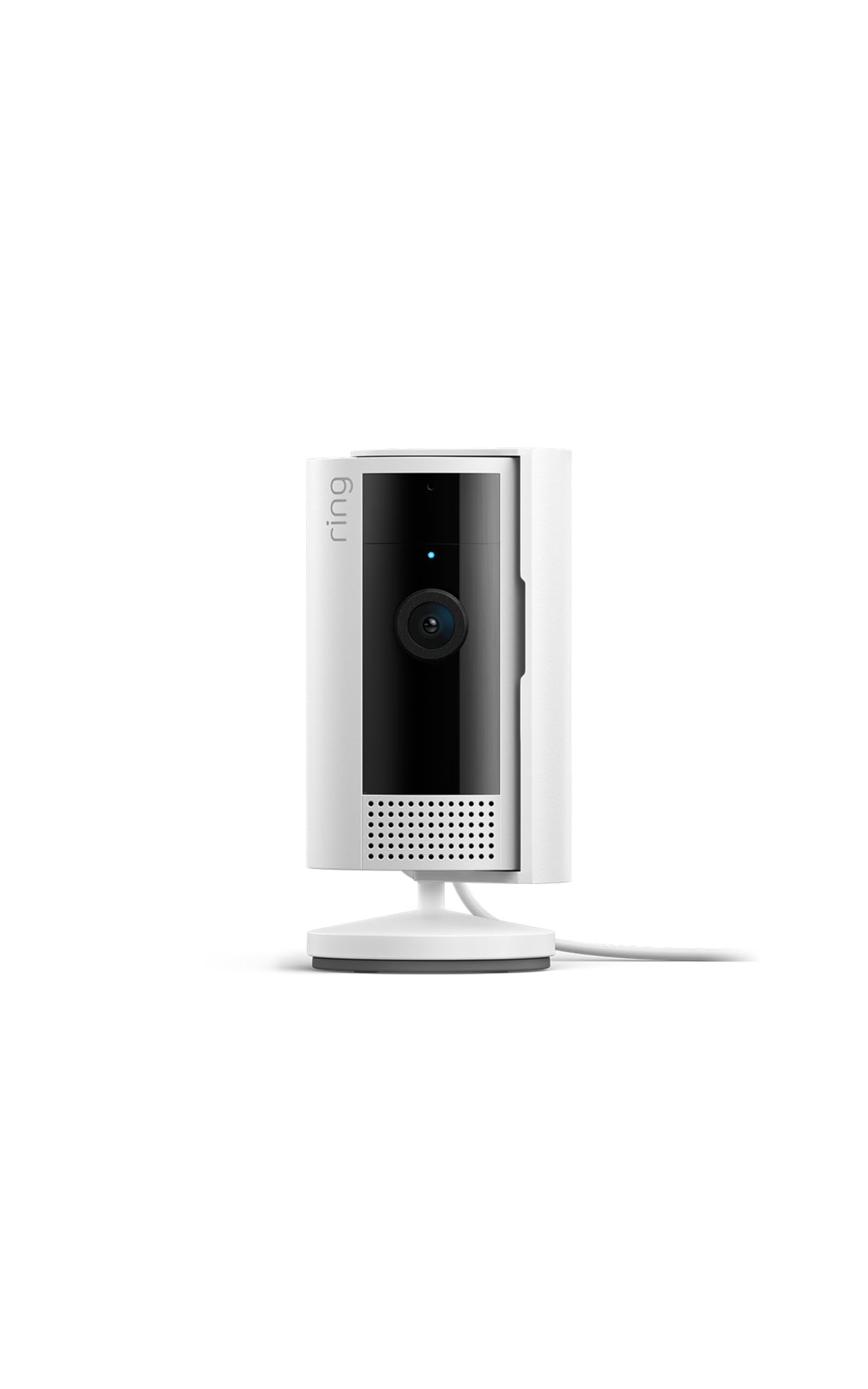
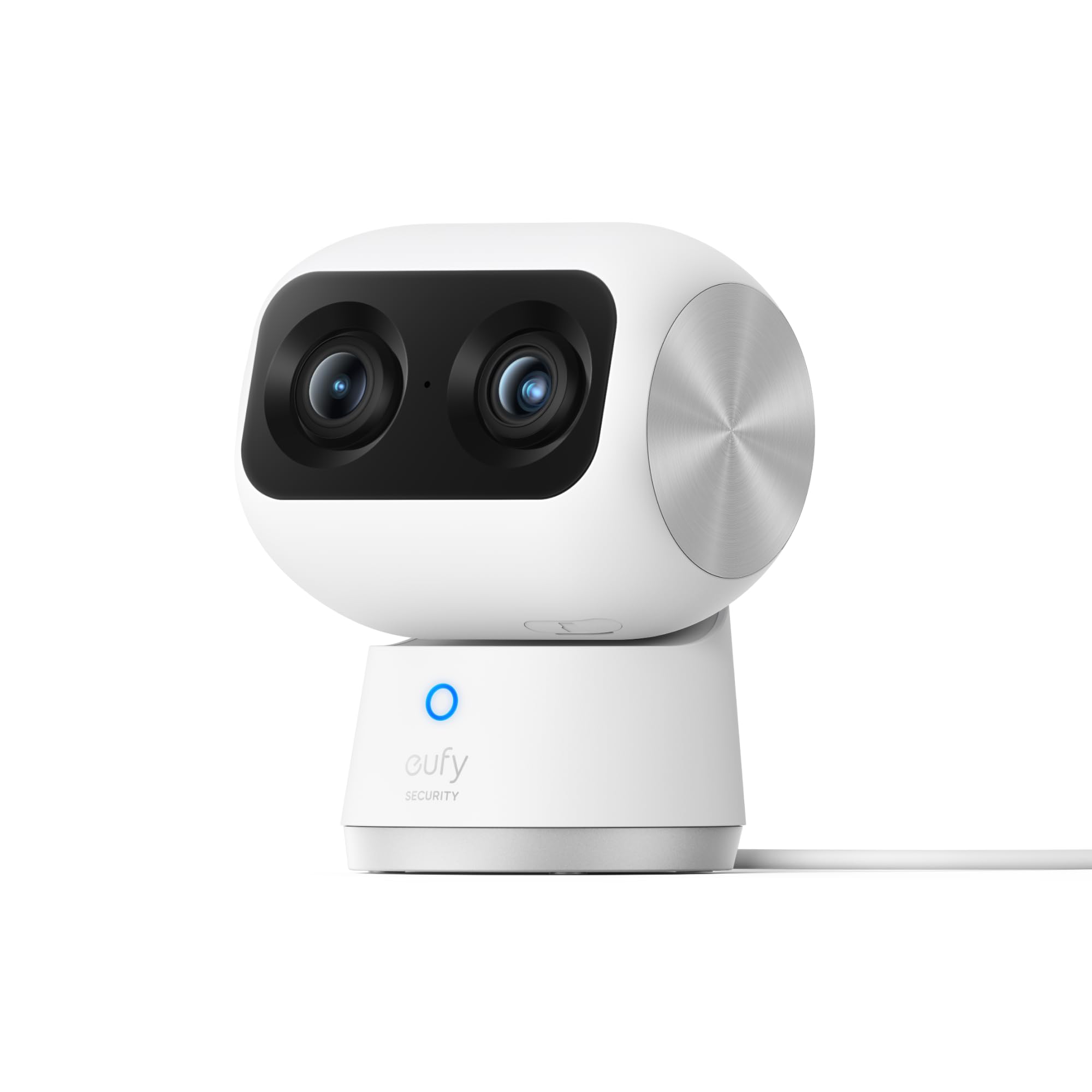

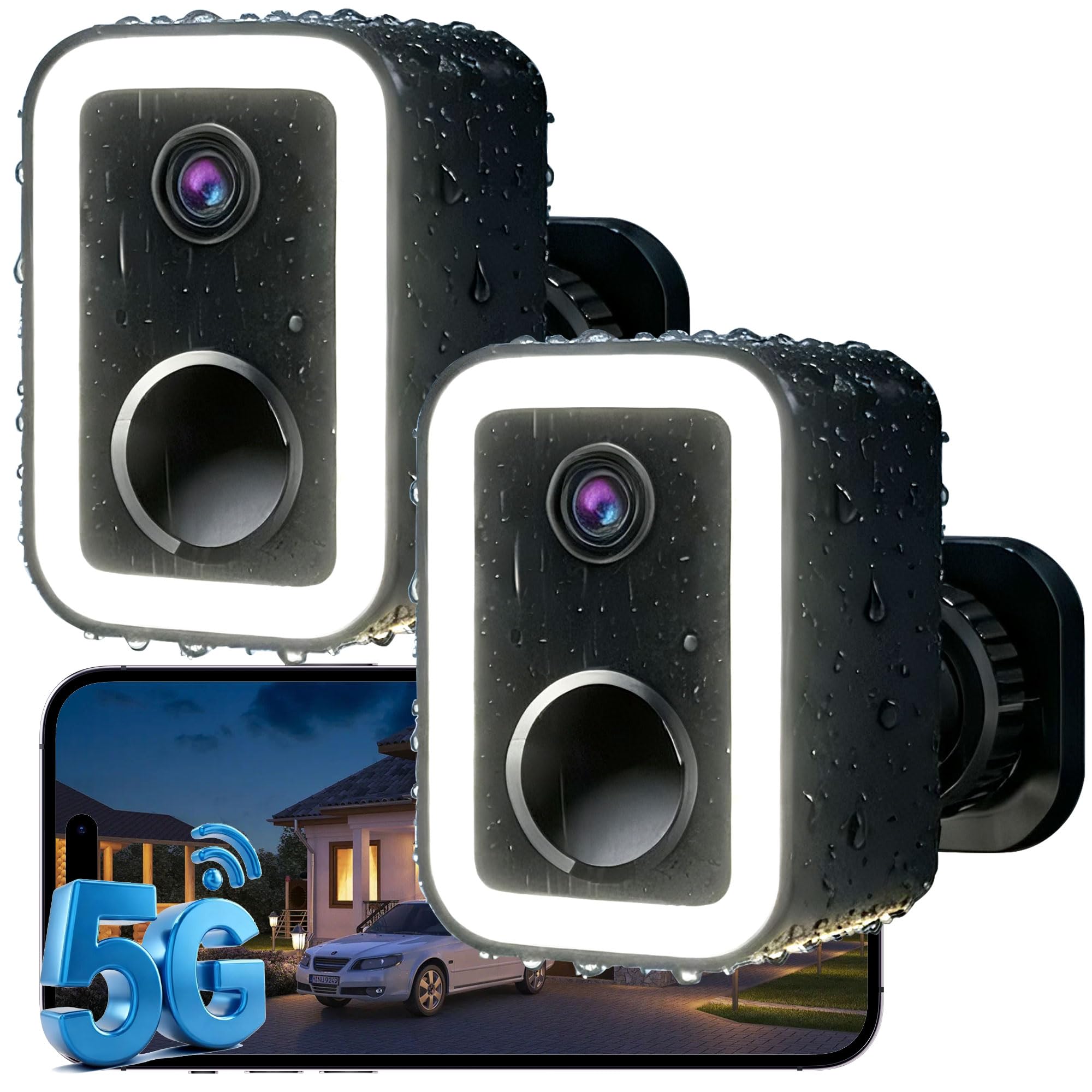
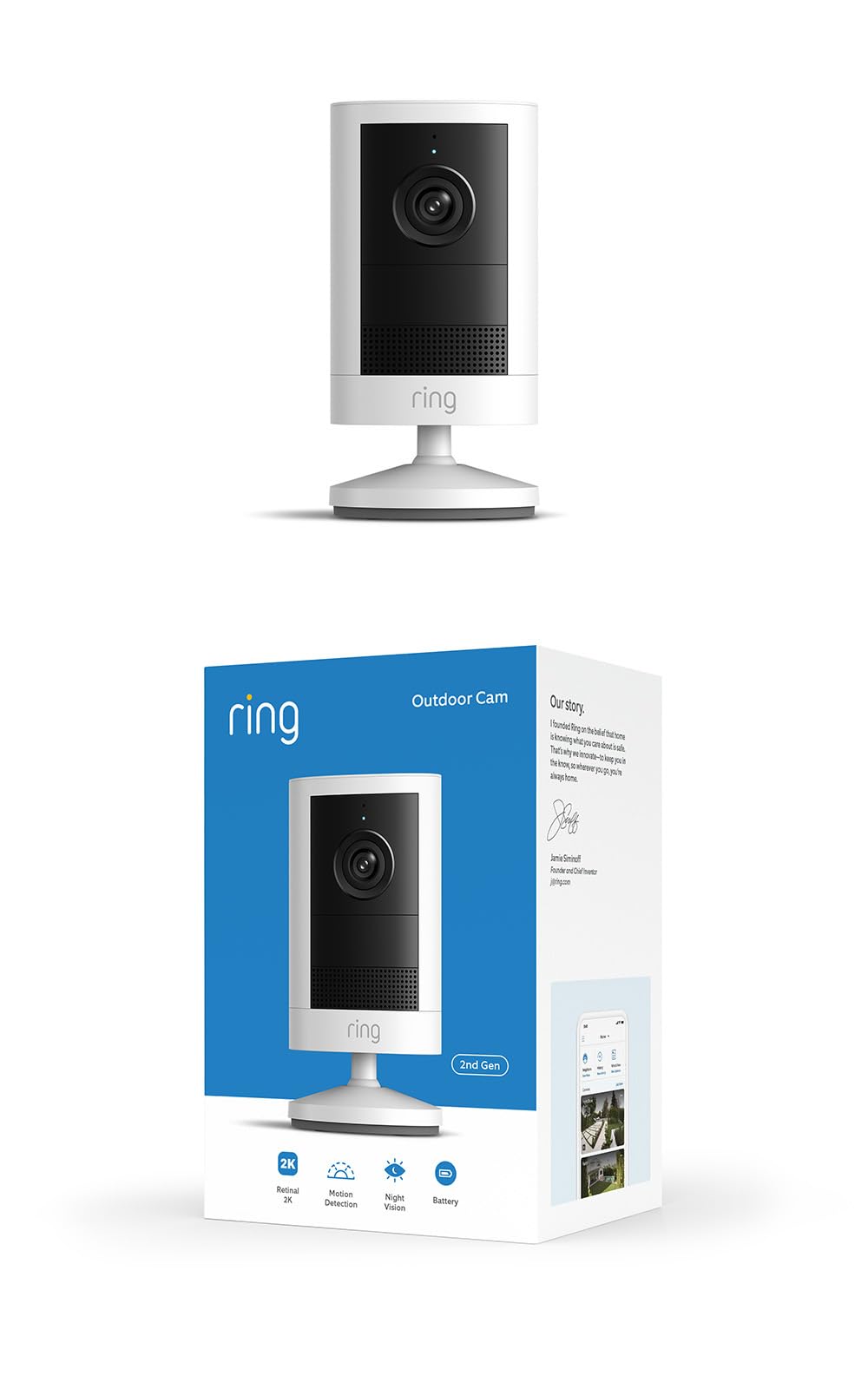
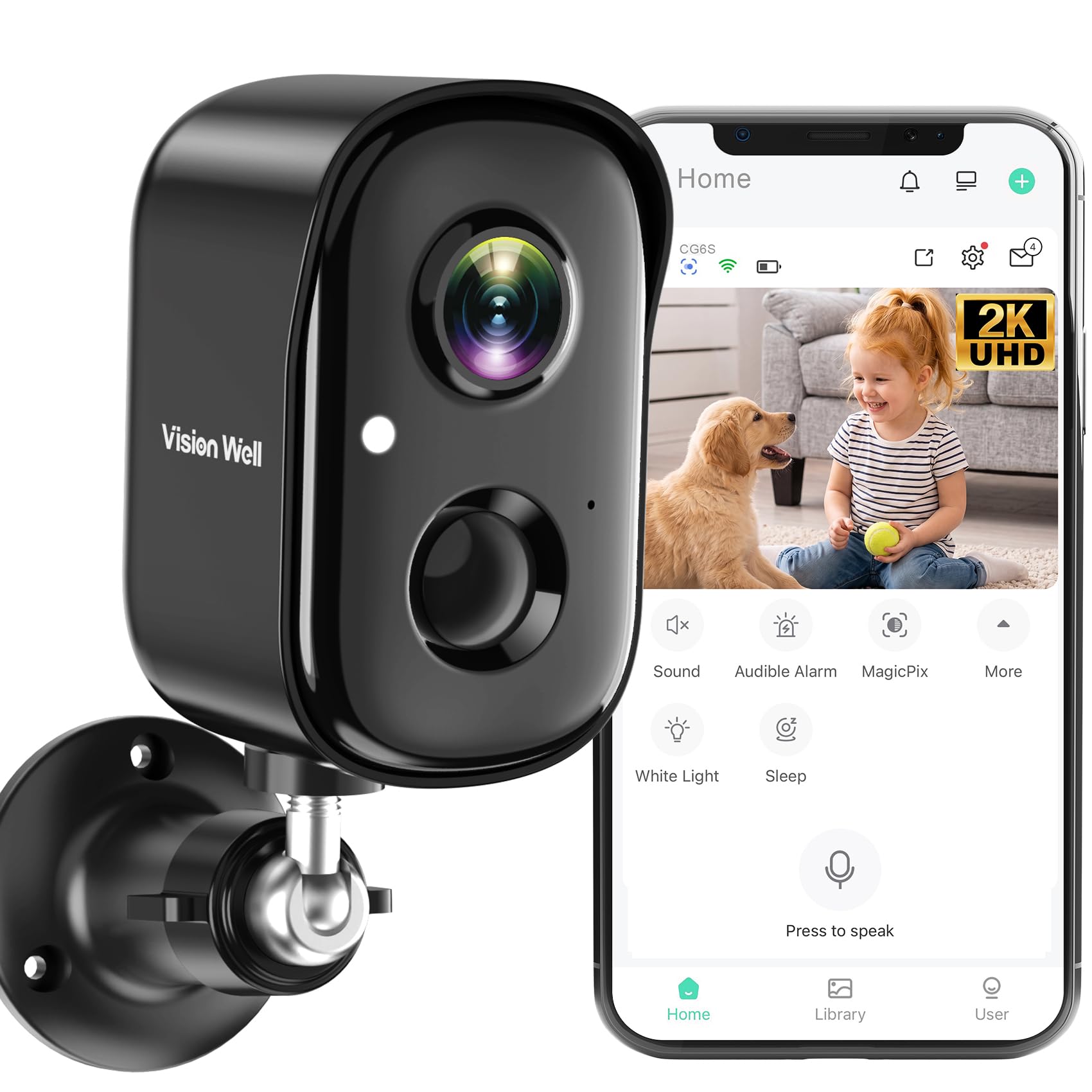
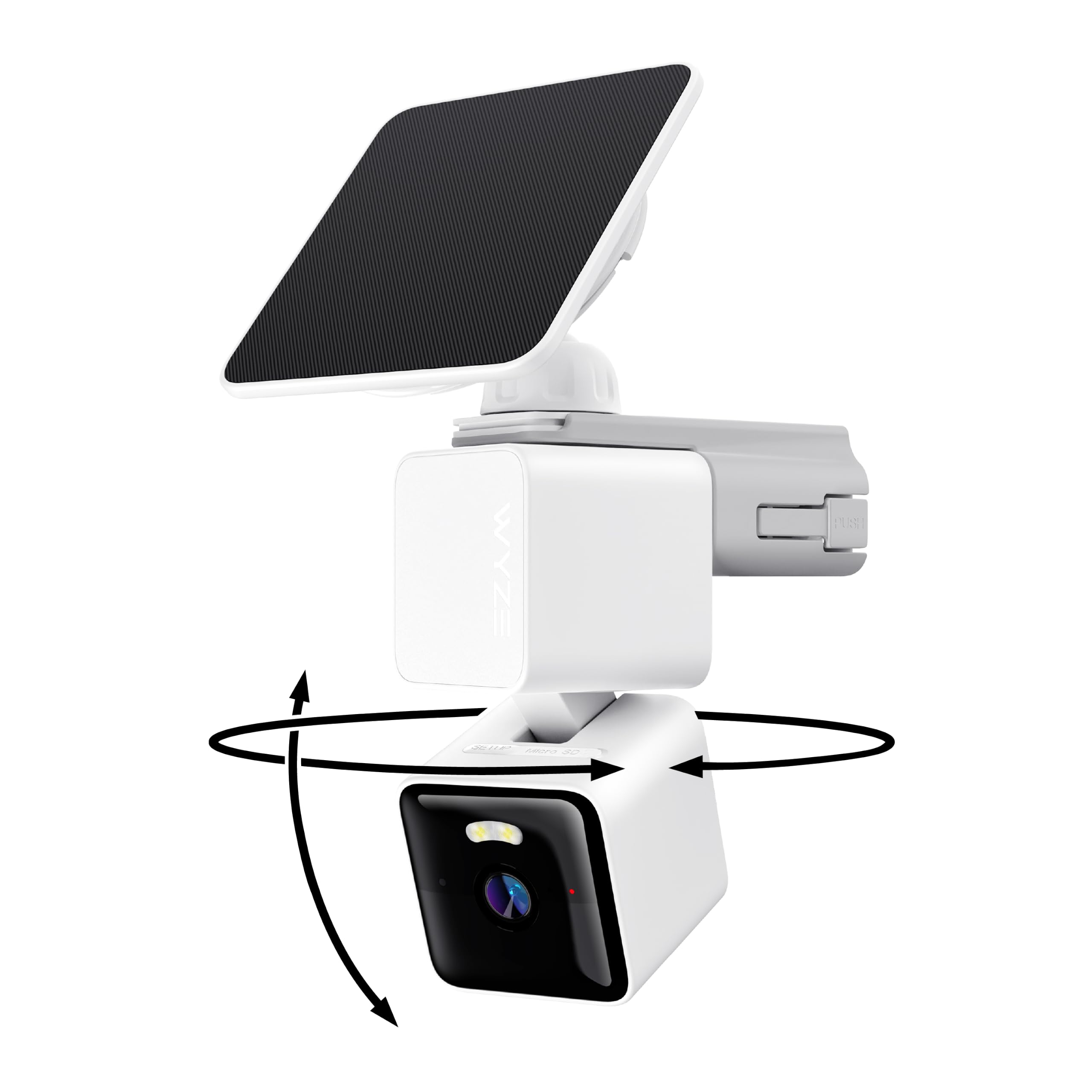
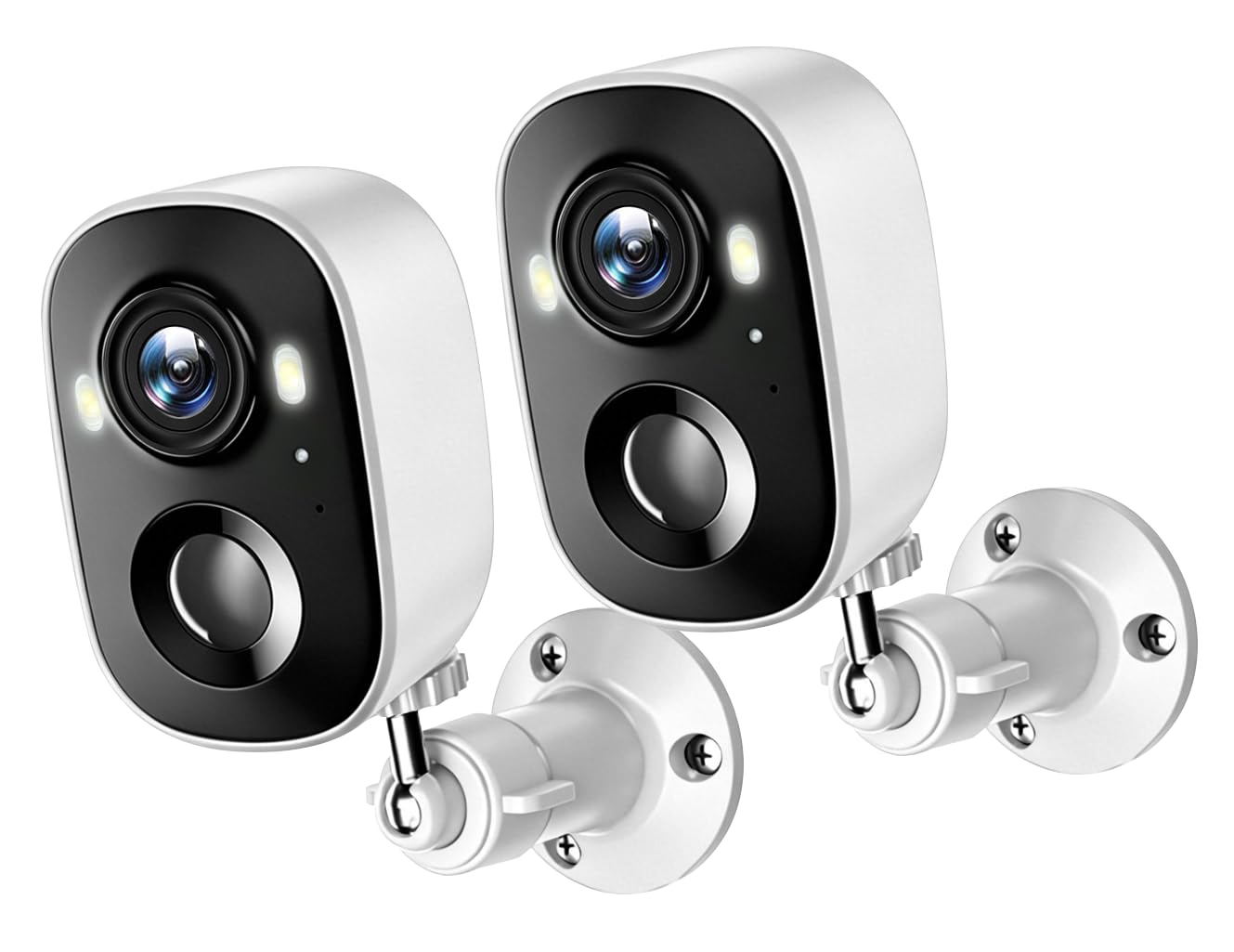
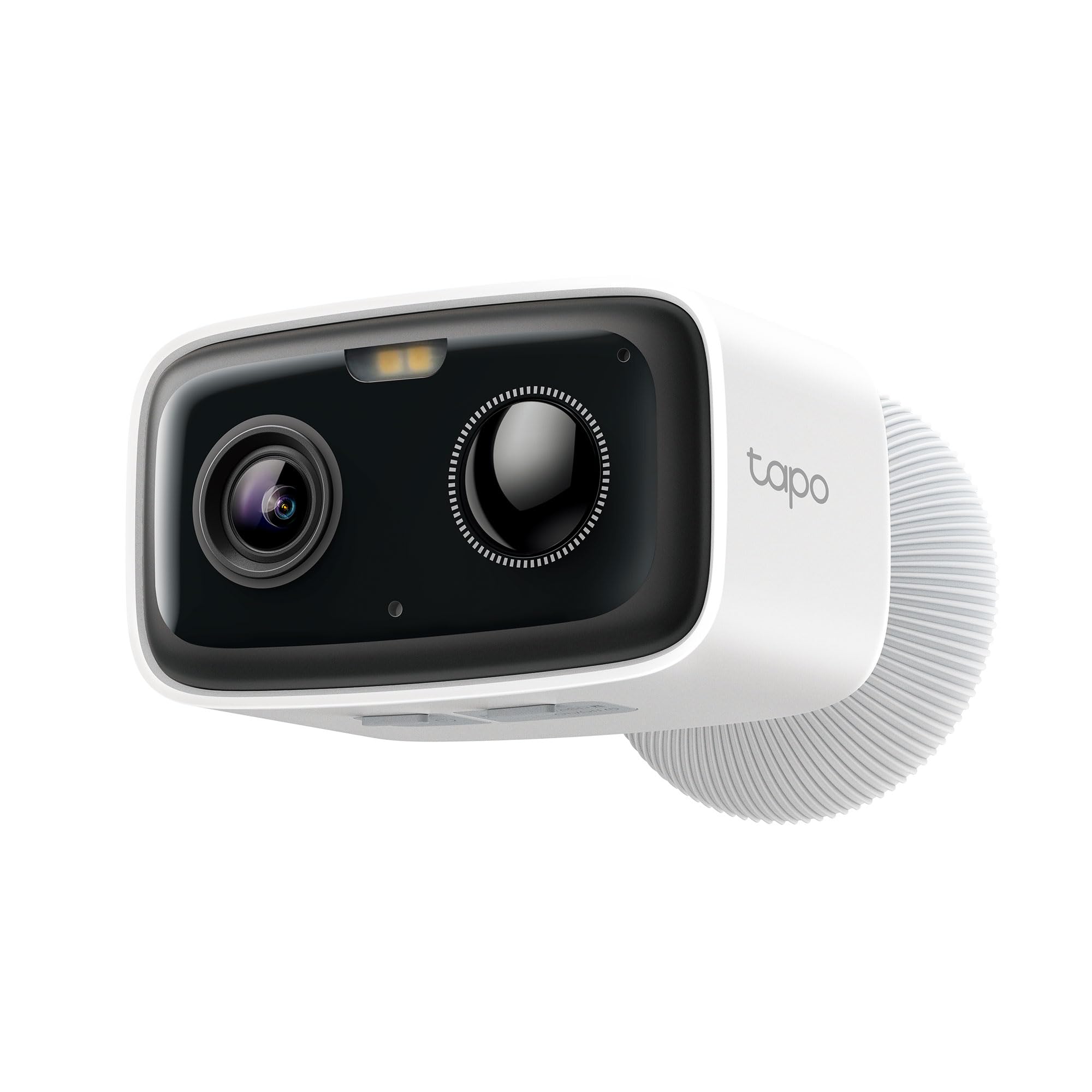
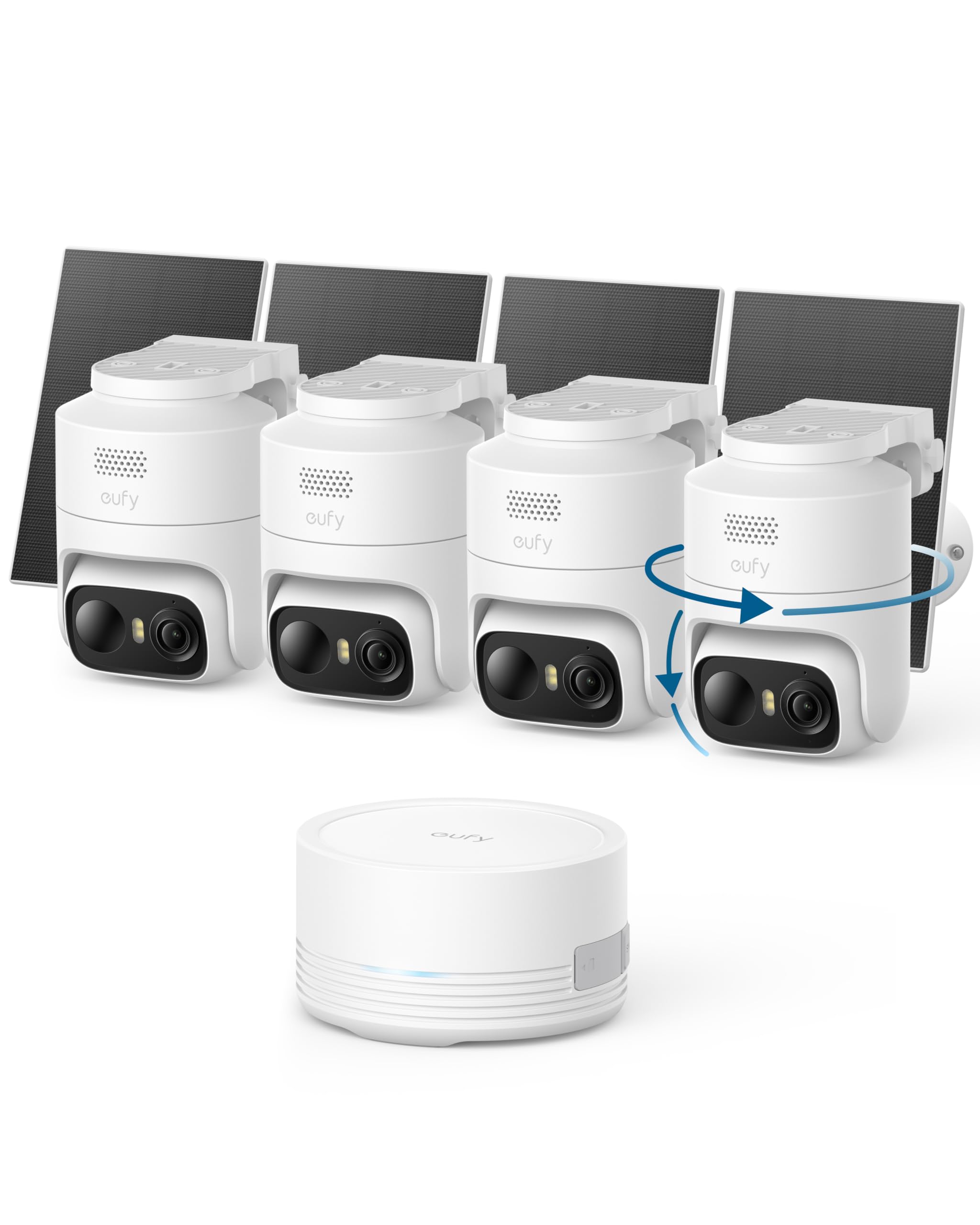

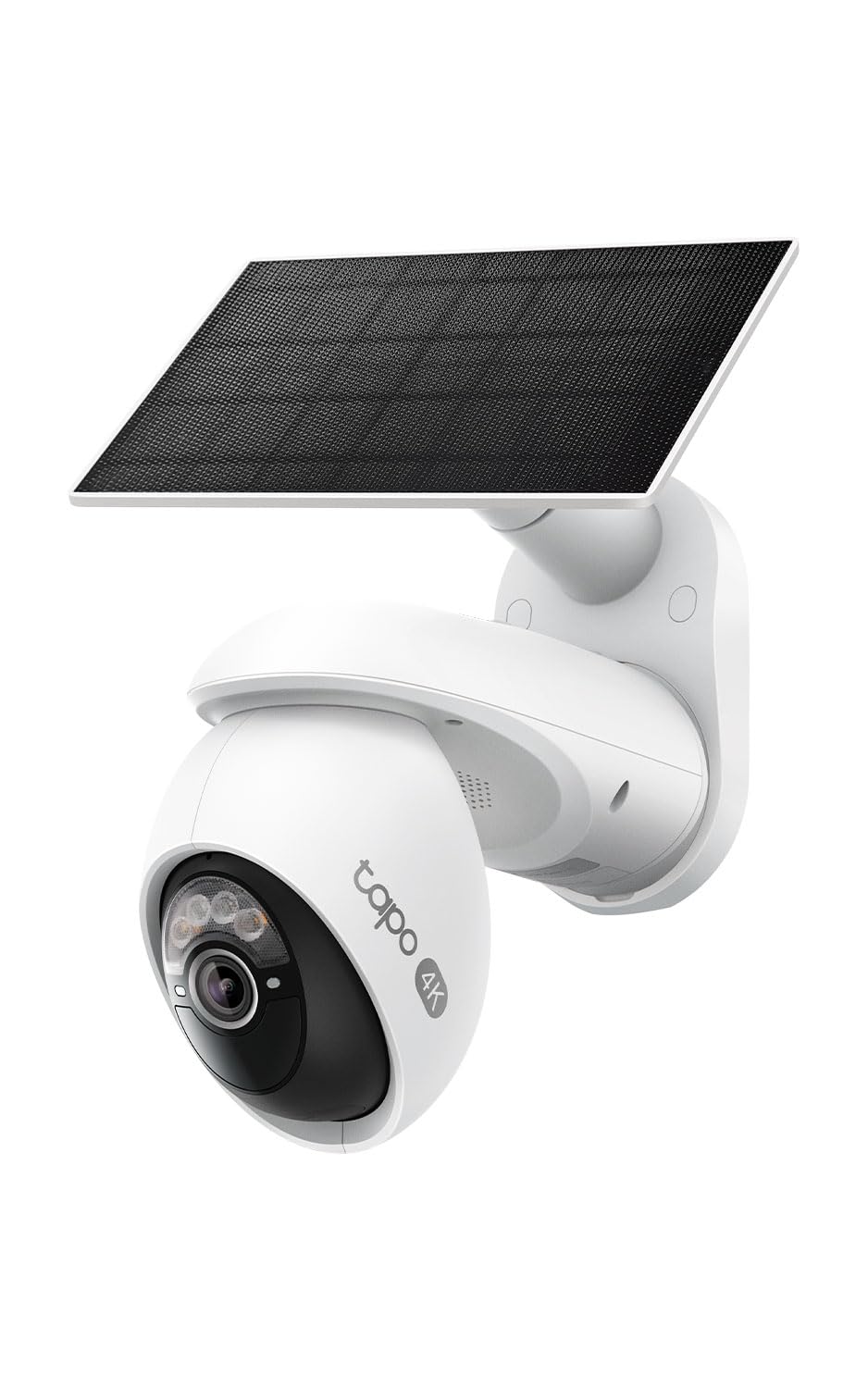
What a security camera actually has to do
Useful footage answers three questions: who, when and what were they carrying. Every specification on the box is a proxy for one of those. Resolution helps with the third. Night range helps with the first. Timestamping and storage help with the second. A camera that is excellent at one and weak at the others produces clips that feel like evidence until someone needs to use them.
This category is for single cameras that stream to a phone and record on their own, whether that is a front door, a stockroom or a yard. If you need four or more views recorded together, a CCTV system with a recorder is the better starting point.
Resolution, sensor size and the night problem
2K and 4K are marketing numbers until the light drops. A 4K camera with a small sensor produces a detailed image in daylight and a noisy, smeared one at night, because each pixel receives less light. A 2K camera with a larger sensor and a wide aperture often reads a face better at 15 metres after dark.
Look for the night specification rather than the resolution. Infrared range in metres is the easiest number to compare, and colour night vision, which uses a small spotlight, is a different feature with a different cost. If the listing gives neither, assume the camera is a daylight device with a token IR LED.
Power and network options
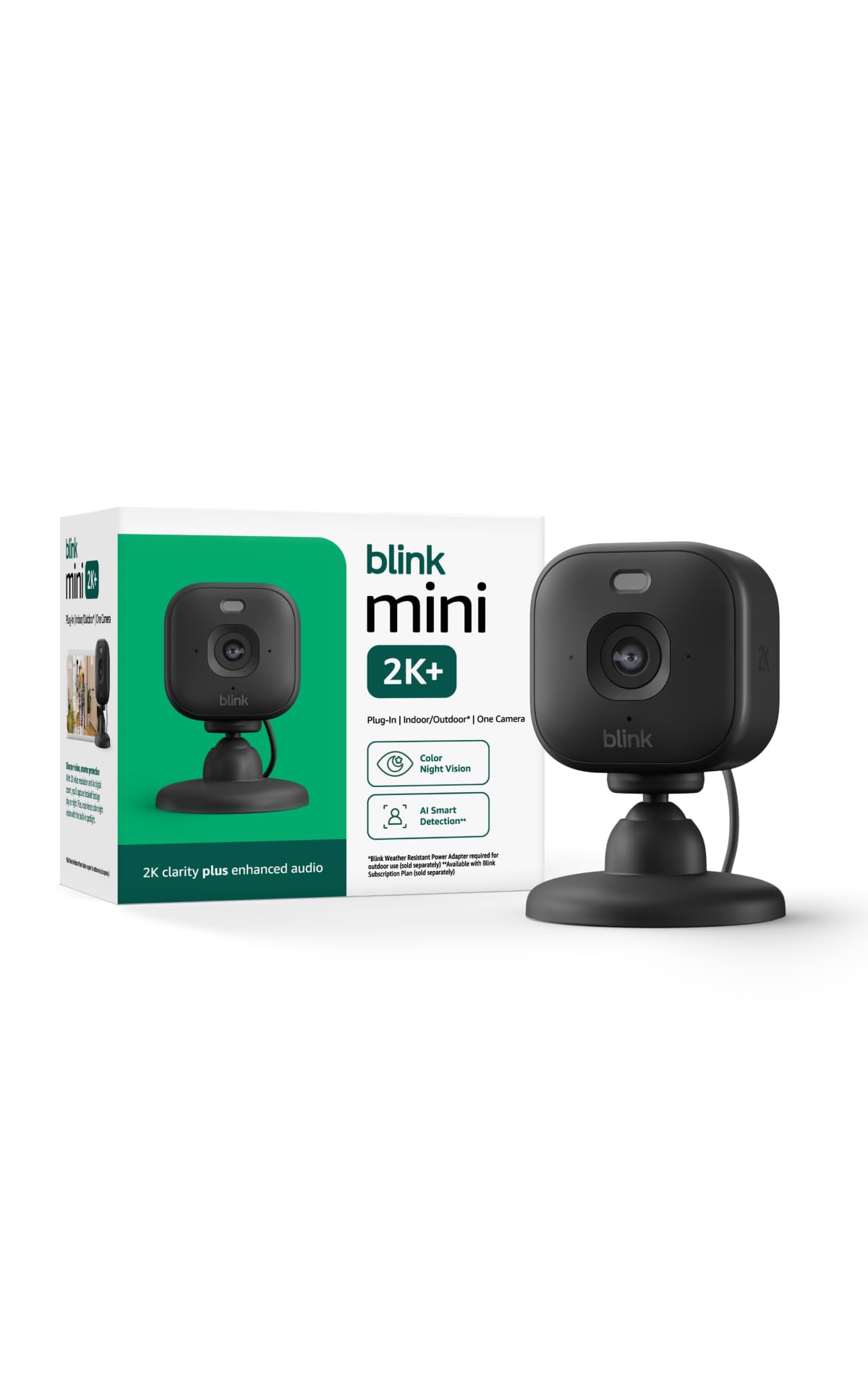
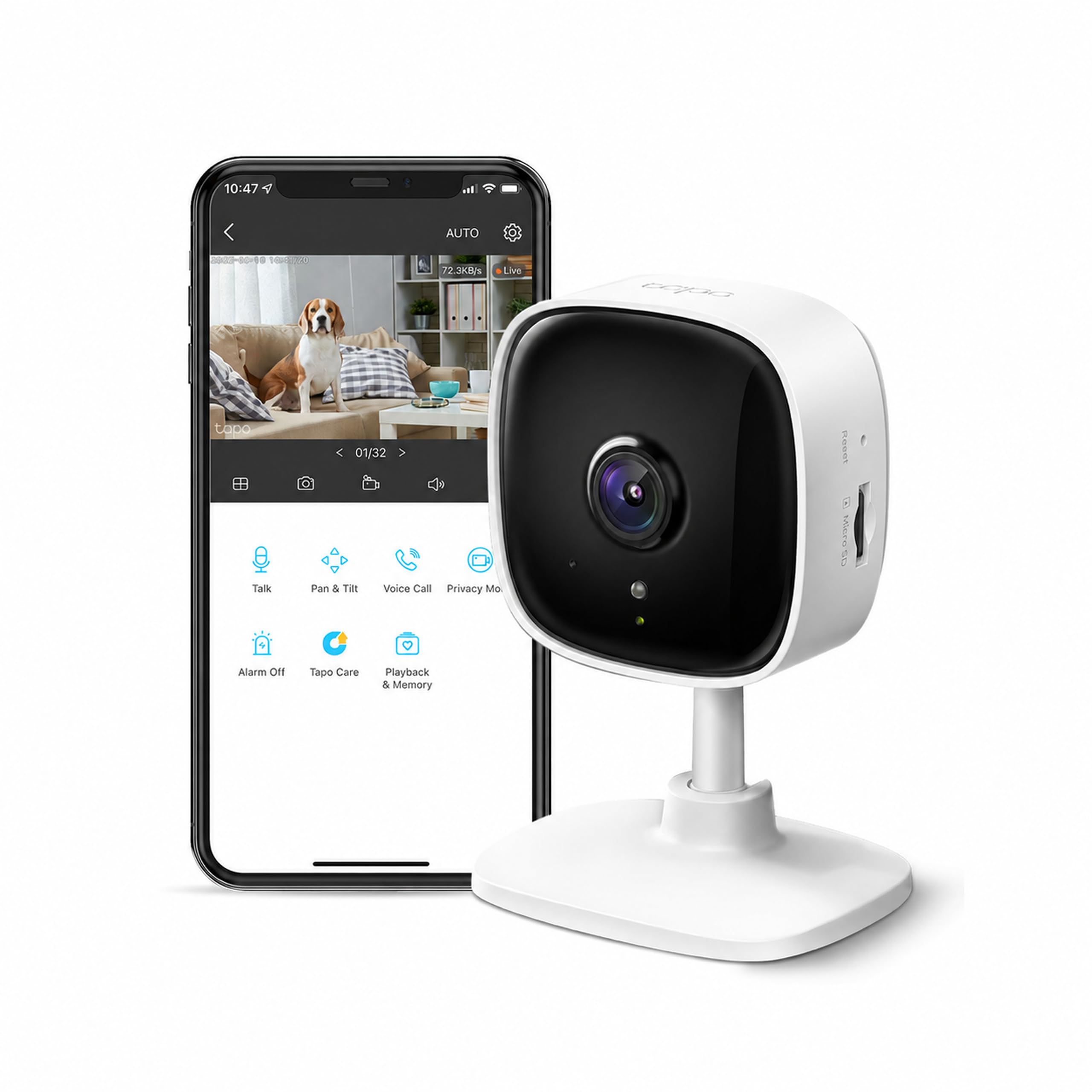
Wi-Fi with a plug. The simplest and most reliable arrangement indoors. Mains power, Wi-Fi back to the router, no battery to think about. The weakness is the cable run to the socket.
Battery. No wiring, and a recharge or solar panel every few weeks to months depending on how often it records. Motion events drain a battery far faster than the marketing implies, especially in a busy street.
PoE. Power and data on one Ethernet cable, which is the cleanest option for outdoor cameras if you can run the cable. It removes Wi-Fi as a failure point and is the standard for anything semi-permanent.
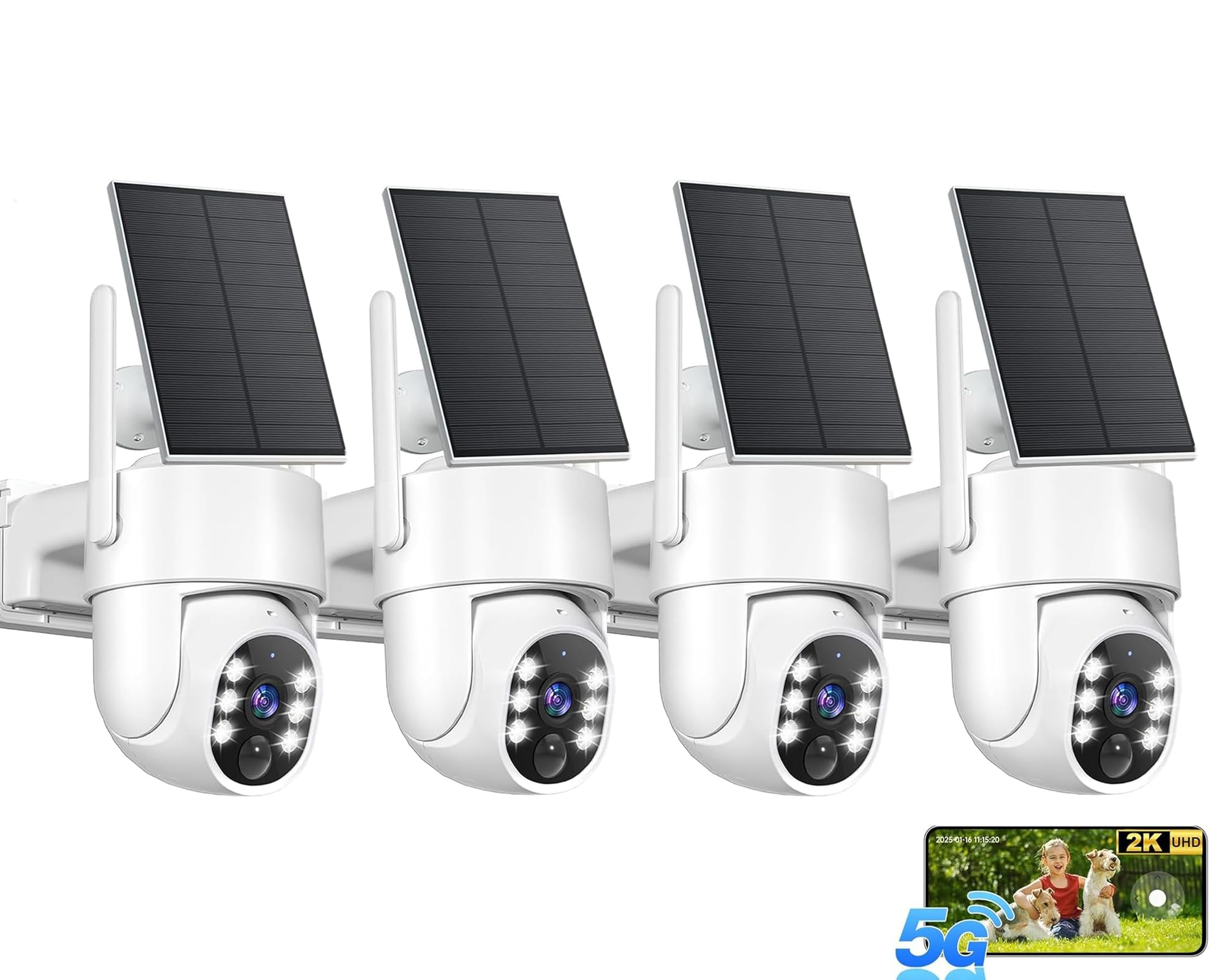
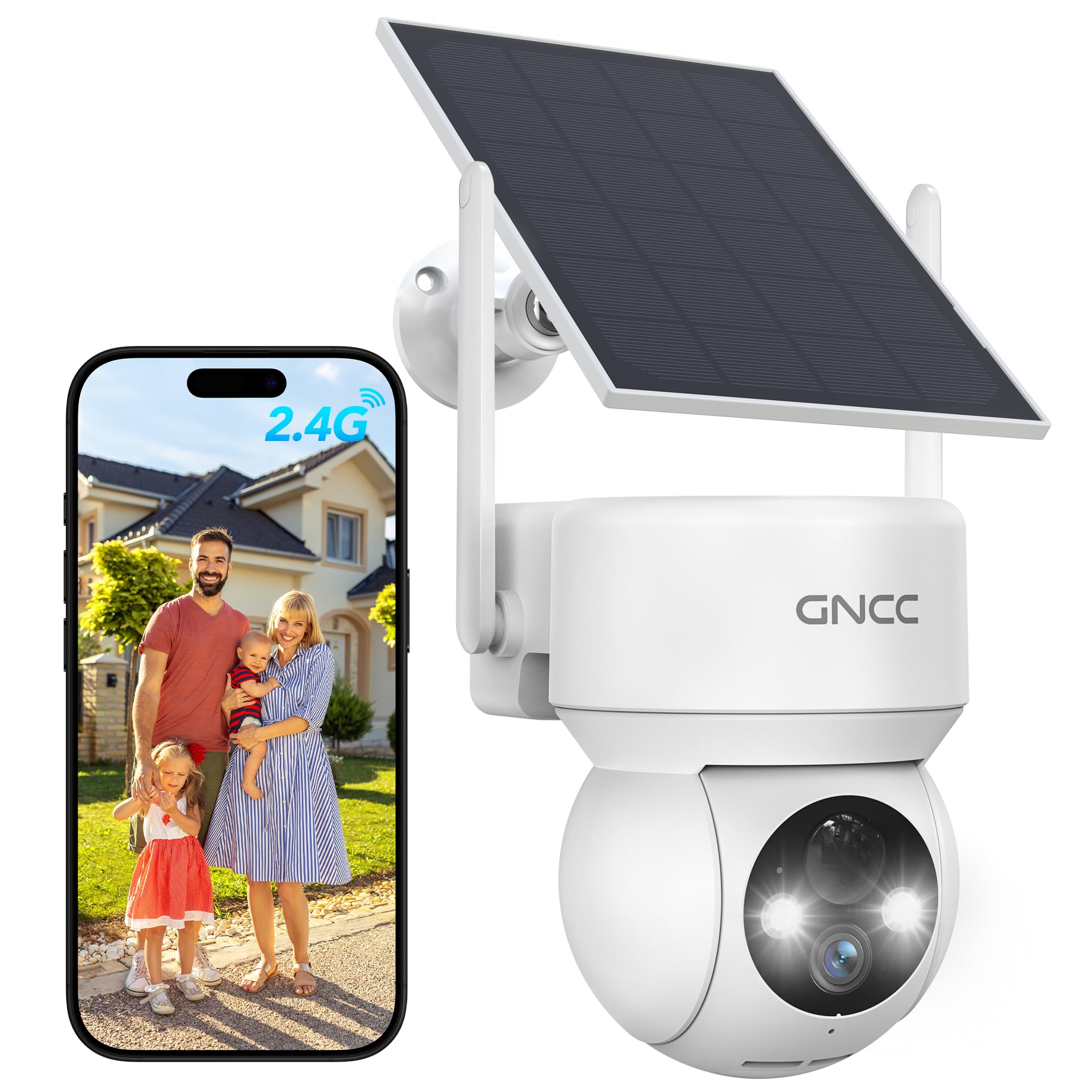
Solar. A small panel keeps a battery camera alive in good light. In a northern winter, expect the panel to contribute less than the listing suggests, and check the operating temperature range.
Where the recording goes
A microSD card inside the camera is cheap and private, and it dies with the camera if someone takes it. Cloud storage survives theft and needs a subscription for anything beyond a short retention window. An NVR or a NAS covers multiple cameras and keeps footage on site, which is what most businesses actually want.
Check the retention maths. A 128 GB card recording continuously at 2K holds roughly a week. Recording on motion only can stretch that to a month, and the difference matters if the incident you care about happened three weeks ago. Cards and drives are covered in storage and accessories.
Placement decides more than the hardware
Mount at 2.5 to 3 metres, angled slightly down. Higher looks impressive and produces the top of heads. Face the camera away from direct sun and away from a wall that will bounce infrared back into the lens at night. Check that the Wi-Fi signal at the mount point is real, not theoretical, because a camera that drops to 1 bar records nothing when it matters.
For outdoor use, the IP rating matters. IP65 handles rain and dust. IP66 and IP67 handle hosing and heavier weather. An indoor camera under an eave is not the same as an outdoor camera in an exposed position, whatever the listing photo suggests.
Reading the reviews properly
Sort by recent and look for mentions of night image, app reliability and card failures. A camera that works perfectly for two months and then loses its connection is a common pattern, and it usually shows up in reviews before it shows up in the rating average.
If the front door is the priority rather than general coverage, a video doorbell puts the camera where people actually arrive, and a sensor covers the moments when nobody is looking at a phone.